



Not long ago, most companies relied on data only after events had already unfolded, such as when a sale was completed, a customer had left, or a problem had surfaced. That approach is rapidly becoming outdated. Today, businesses want real-time visibility into what is happening, along with the ability to anticipate outcomes. Increasingly, they expect AI to identify patterns and deliver insights before questions even arise.
This shift has moved data and AI strategy from the periphery to the core of business discussions. It is no longer seen as a technical function managed quietly by IT teams. Instead, it plays a critical role in shaping competitive advantage, guiding leadership decisions, and determining how quickly an organization can scale.
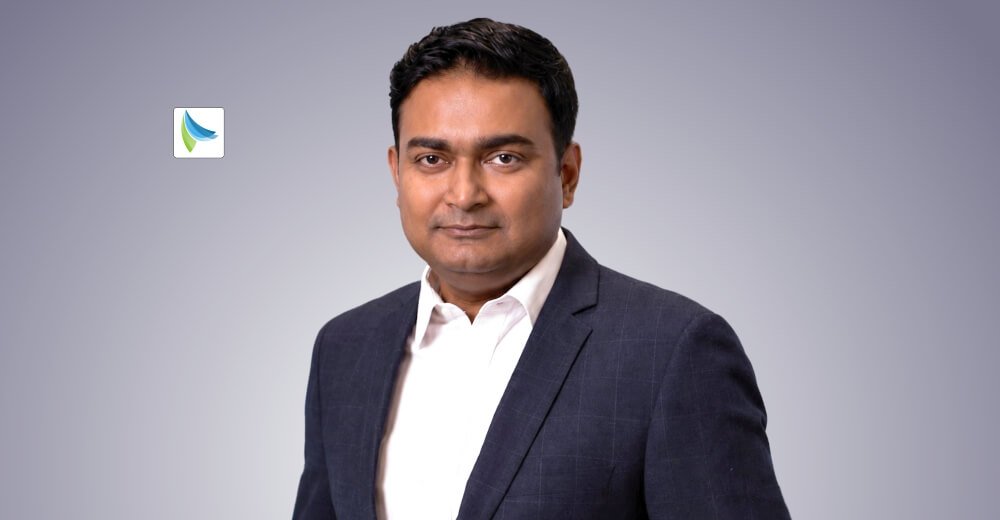
Debananda Ghosh has spent nearly two decades at the center of this transformation. As a Data & AI Specialist and Global Black Belt at Microsoft, he works closely with organizations to modernize their data ecosystems for an AI-first future. Over the years, his work has taken him through financial services, aviation, and large-scale cloud transformation projects, giving him a mix of deep technical knowledge and real business understanding that is hard to find in one person.
Let’s explore the story behind Deb’s journey and how he is helping organizations navigate the next era of intelligent, data-driven transformation!
A Journey Built on Data, Innovation, and Business Transformation
Deb’s professional journey spans nearly two decades of helping organizations unlock value from their data. His career began at Infosys, where he led large-scale data warehouse and analytics implementations across financial services organizations in Asia. Those early experiences established a strong technical foundation while exposing him to the growing importance of enterprise data in business decision-making.
His journey continued at Singapore’s CPF Board, where he modernized enterprise data platforms supporting millions of citizens. Later, at Rolls-Royce, he worked on machine learning and predictive maintenance solutions for aviation analytics, further expanding his understanding of how intelligent technologies could solve real-world operational challenges.
Each experience reinforced a larger realization. As he explains, “These experiences showed me that data is not just a technology asset; it is the foundation for business transformation.”
Witnessing organizations evolve through analytics and emerging technologies gradually reshaped his own professional direction. He became increasingly fascinated by how advanced analytics, machine learning, and artificial intelligence could help organizations move beyond reporting historical information toward predicting future outcomes and shaping strategic decisions.
This passion ultimately led him to Microsoft, where his career has progressed from Senior Data Architect to Asia Lead for Cloud Analytics & AI Modernization. Alongside his leadership responsibilities, he is also the author of the book Mastering Microsoft Fabric, reflecting his passion for helping organizations harness data and AI to drive business transformation.
Today, he helps enterprises across Asia-Pacific modernize their data estates, adopt cloud-scale analytics platforms such as Microsoft Fabric, and leverage Generative AI to drive business innovation. Looking back, he sees specializing in Data and AI as a natural evolution of his career, bringing together his deep data engineering background with his passion for innovation, customer success, and enabling organizations to realize their full potential through intelligent, data-driven transformation.
Driving Innovation Through AI-First Transformation
In his current role as Data & AI Specialist – Global Black Belt at Microsoft, Deb works closely with organizations across Asia-Pacific to accelerate their transformation into AI-first enterprises, often referred to as Frontier Firms. His work centers on helping organizations modernize data estates, enable cloud-scale analytics, and harness the power of Artificial Intelligence to deliver measurable business outcomes.
Rather than viewing technology modernization as an isolated initiative, he focuses on connecting modern data platforms, advanced analytics, and Generative AI capabilities with tangible business value. This enables organizations to innovate faster, enhance decision-making, improve operational efficiency, and create new growth opportunities in an increasingly AI-driven world.
At the core of his work is a clear objective: “My focus is on enabling customers to transform data into a strategic asset, empowering them to make faster, smarter, and more informed decisions.”
Building on this philosophy, he partners with both business and technology leaders to define organizational data and AI strategies, architect modern analytics solutions, and guide enterprises through complex modernization journeys. His role extends well beyond technology implementation. By introducing AI-first approaches and promoting responsible AI adoption, he helps organizations unlock new revenue opportunities, improve operational efficiency, and enhance customer experiences.
Every transformation initiative, therefore, becomes more than the deployment of new technology. It becomes an opportunity to align innovation with measurable outcomes, ensuring that data serves not merely as information, but as a catalyst for business growth and long-term competitive advantage.
As organizations continue to accelerate their AI adoption, this combination of technical depth, strategic thinking, and customer-centric leadership has become central to his approach. His focus remains on helping enterprises navigate complexity with confidence while building the data foundations required to thrive in the next generation of intelligent business.
Leading with Vision, Empowerment, and Collaboration
For Deb, successful Data & AI transformation is not driven by technology alone. It is driven by people who are aligned around a common vision, empowered to take ownership, and committed to delivering meaningful business outcomes. His leadership philosophy reflects this belief, emphasizing collaboration as much as technical excellence.
He describes his leadership approach as being centered on vision, empowerment, and collaboration. When leading complex Data & AI initiatives, his first priority is aligning teams around clear business outcomes while creating an environment where innovation and accountability go hand in hand.
Rather than directing every aspect of a project, he focuses on enabling individuals to take ownership of their work while encouraging diverse teams to contribute their expertise toward a shared objective. This approach helps teams navigate complexity, accelerate decision-making, and consistently deliver measurable business impact.
At the same time, customer success remains a defining element of his leadership style. By combining technical excellence with customer obsession, he ensures that every solution is grounded in real business needs rather than technology for its own sake. Equally important is his commitment to developing future leaders, recognizing that long-term transformation depends as much on people as it does on platforms and technology.
Adapting to an Ever-Evolving Data & AI Landscape
Few industries evolve as rapidly as Data and AI, and keeping pace with constant technological change has been one of the defining challenges throughout Deb’s career.
He points out that one of the most significant challenges has been navigating the rapid evolution of both technology and business expectations. Over the years, organizations have moved from simply storing and processing data to expecting self-service analytics, real-time insights, and AI-driven decision-making.
This shift has required far more than learning new technologies. It has demanded continuous learning, adaptability, and the ability to help organizations rethink their overall data and AI strategies in response to changing business priorities.
As he notes, “This constant evolution has required continuous learning, adaptability, and the ability to help organizations rethink their data and AI strategies.”
These experiences have reinforced an important lesson throughout his career: data should never be viewed merely as a technical asset. Instead, it serves as the foundation for innovation, intelligence, and business transformation.
The continuous evolution of the industry has also shaped his own professional growth. What began as a career focused on data engineering and analytics has naturally expanded into driving AI-first transformation initiatives that combine modern data platforms, advanced analytics, and artificial intelligence to solve increasingly complex business challenges.
Rather than viewing change as an obstacle, he sees it as a catalyst for continuous improvement, enabling organizations and professionals to evolve alongside technology.
Staying Ahead in the Age of AI
In an industry where innovation moves at a rapid pace, remaining current requires more than technical training. For Deb, the most valuable insights come directly from engaging with customers and understanding the challenges they face.
He believes that continuous interaction with organizations across industries provides firsthand visibility into emerging trends, evolving business priorities, and the practical ways enterprises are adopting AI to create measurable value.
These conversations help him connect technological advancements with real-world outcomes, ensuring that his expertise remains both relevant and practical rather than purely theoretical.
At the same time, Microsoft’s significant investments in Data and AI, including Microsoft Fabric, Microsoft Foundry, and agentic AI capabilities, provide an environment where continuous learning becomes part of everyday work.
Working closely with product teams, customers, and industry experts enables him to remain at the forefront of innovation while helping organizations translate emerging technologies into scalable business solutions.
This combination of customer engagement and continuous collaboration allows him not only to keep pace with the rapid evolution of AI but also to guide enterprises in adopting these innovations responsibly and strategically.
A Milestone Defined by Knowledge Sharing
Among the many achievements throughout his career, one accomplishment holds particular personal significance, not because of recognition, but because of its contribution to the broader technology community.
Deb considers authoring the book Mastering Microsoft Fabric to be one of the most meaningful milestones in his professional journey.
As he shares, “Writing the book allowed me to consolidate years of experience across data engineering, analytics, cloud modernization, and AI into practical guidance for technology professionals and organizations.”
The experience provided an opportunity to bring together years of practical knowledge gained through enterprise transformation initiatives and present it in a way that could benefit professionals navigating similar challenges.
More importantly, writing the book allowed him to give back to the technology community by sharing knowledge, best practices, and lessons learned from real-world transformation initiatives. For him, leadership extends beyond delivering successful projects; it also involves enabling others to grow through shared experience and practical guidance.
Maintaining Balance Beyond Technology
Despite leading high-impact transformation initiatives across the Asia-Pacific region, Deb believes sustained professional success depends on maintaining balance outside of work.
He emphasizes that personal well-being is essential for long-term performance and effective leadership. Staying connected to family, community, and personal interests helps him maintain perspective while navigating the demands of a fast-moving technology landscape.
Cricket is one of the activities he particularly enjoys, providing an opportunity to stay active, recharge, and strengthen teamwork beyond the workplace. The lessons learned on the field, discipline, collaboration, and resilience often mirror the qualities required in leading complex technology initiatives.
Equally important is the time he spends with family and his involvement in community and social initiatives. These experiences keep him grounded while allowing him to build meaningful connections with people from diverse backgrounds.
For him, work-life harmony is not about separating professional and personal responsibilities. Instead, it is about maintaining the balance that enables sustained growth, thoughtful leadership, and meaningful contributions both inside and outside the workplace.
Guided by Customer Success and Accountability
Throughout nearly two decades in Data and AI, Deb has remained guided by a set of principles that have consistently shaped his decisions and leadership approach. While technology continues to evolve, the values that underpin his work have remained constant.
At the heart of his philosophy is an unwavering commitment to putting customers first. Every transformation initiative begins with understanding the customer’s business challenges and identifying how data and AI can create meaningful value rather than simply introducing new technology.
As he explains, “I strongly believe in putting customers first.” Understanding customer needs and helping organizations realize value from data and AI has guided many of his professional decisions, influencing not only the solutions he architects but also the relationships he builds throughout every engagement.
Alongside customer focus, he places equal importance on ownership. For him, leadership means driving initiatives end-to-end, building trusted partnerships, and remaining accountable for outcomes. This sense of responsibility has become a defining characteristic of his professional journey, enabling him to build lasting relationships with customers while consistently delivering measurable business impact.
These principles continue to shape the way he approaches every challenge, combining technical excellence with trust, collaboration, and a strong commitment to creating long-term value.
Preparing the Next Generation of AI Leaders
As artificial intelligence becomes deeply integrated into every business function, Deb believes the expectations placed on technology professionals will continue to evolve. The future will demand far more than technical expertise alone.
His advice to aspiring professionals is to prepare not only for today’s opportunities but also for the leadership roles that AI-driven organizations will require in the years ahead.
He believes many professionals will soon find themselves leading teams that work alongside Agentic AI systems rather than simply developing AI solutions. As organizations continue to embrace AI-first operating models, professionals must be ready to manage both human talent and intelligent systems.
Reflecting this future, he advises, “In the near future, many of us will not only build AI solutions but also lead teams that work alongside Agentic AI systems.”
Building on this perspective, he encourages professionals to develop a strong foundation in data, artificial intelligence, automation, governance, and responsible AI practices while simultaneously strengthening leadership, communication, and collaboration skills.
He emphasizes that the most valuable professionals will be those who can combine technical expertise with the ability to guide people through change. Rather than viewing AI as a replacement for human capability, he sees it as a force multiplier that requires thoughtful leadership and responsible management.
His message is clear: equip yourself to become a future manager of AI-powered teams. Stay curious, keep learning, understand real-world business challenges, and embrace change as an opportunity. Ultimately, he believes, “The future belongs to professionals who can successfully lead both people and agentic AI toward a common goal.”
Shaping the Future of AI and Digital Transformation
Looking ahead, Deb envisions a future where successful digital transformation will be powered by the combined strengths of data, artificial intelligence, and human expertise. While technological innovation will continue to accelerate, he believes sustainable success will depend on organizations that effectively integrate these elements into their business strategies.
His own focus remains on continuously building expertise in emerging AI technologies while deepening his understanding of real-world customer challenges across the ASEAN region. By connecting innovation with measurable business outcomes, he aims to help organizations move beyond experimentation and achieve lasting transformation through responsible AI adoption.
For him, the future is not simply about adopting the latest technology. It is about ensuring that every advancement delivers tangible value, strengthens decision-making, and enables organizations to innovate with confidence in an increasingly AI-driven world.
As enterprises continue their transition toward AI-first operating models, he sees his role evolving as both a trusted advisor and transformation leader, helping customers modernize their data foundations, embrace emerging AI capabilities, and unlock new opportunities for growth through intelligent, data-driven strategies.
Leading Transformation with Purpose
Debananda Ghosh’s career reflects the evolution of the Data and AI landscape itself, from enterprise data platforms and analytics to cloud modernization, Generative AI, and the emerging era of AI-first enterprises. Throughout this journey, his focus has remained remarkably consistent: helping organizations unlock value from data while empowering people to embrace innovation with confidence.
Whether guiding enterprises through complex modernization initiatives, sharing knowledge through Mastering Microsoft Fabric, or preparing professionals for a future shaped by Agentic AI, his leadership is defined by continuous learning, customer success, collaboration, and accountability.
As organizations increasingly look to AI to drive competitive advantage, leaders like Debananda Ghosh demonstrate that technology alone is not enough. Lasting transformation comes from combining technical excellence with strategic vision, responsible innovation, and a deep understanding of business needs.
Looking to the future, he remains committed to helping organizations harness the combined power of data, AI, and human expertise to build intelligent enterprises that are not only technologically advanced but also prepared for sustainable growth in an increasingly connected and AI-driven world.