




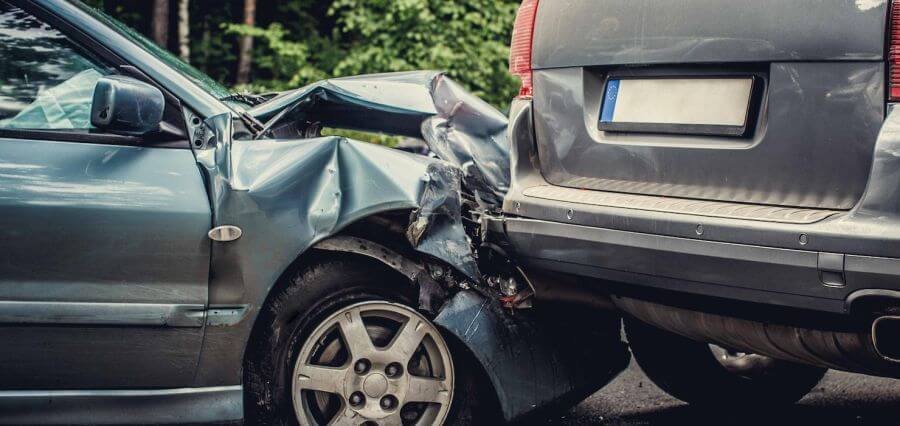
If you want to prove damages in a rear-end accident claim, you need strong evidence that clearly connects the accident to your injuries, financial losses, and other hardships. Medical records, accident reports, photographs, witness statements, repair estimates, and expert opinions all help build a convincing case.
The stronger your evidence, the better your chances of receiving fair compensation. Understanding the common causes of rear-end collisions can also provide important context when explaining how the crash occurred and why the other driver may be responsible.
Police Reports Help Establish the Facts
A police report is one of the first pieces of evidence insurance companies and attorneys review. While it may not determine fault on its own, it provides an official record of the accident.
A police report often includes:
- The date, time, and location of the crash
- Statements from both drivers
- Witness information
- Road and weather conditions
- The responding officer’s observations
- Any traffic citations issued
If the other driver received a citation for following too closely or distracted driving, it can strengthen your claim.
Medical Records Prove Your Injuries
Medical documentation is one of the most valuable forms of evidence in any rear-end accident claim. It shows the extent of your injuries and connects them directly to the collision.
Important medical evidence includes:
- Emergency room records
- Doctor’s evaluations
- Diagnostic imaging such as X-rays or MRIs
- Physical therapy records
- Prescription medications
- Follow-up treatment notes
Seek medical care as soon as possible after the accident. Delaying treatment may allow insurance companies to argue that your injuries were unrelated to the crash.
Photographs and Videos Tell the Story
Visual evidence provides a clear picture of what happened.
Take photos of:
- Vehicle damage
- Skid marks
- Traffic signs
- Road conditions
- Weather conditions
- Visible injuries
- Debris on the roadway
If nearby businesses, traffic cameras, or dashboard cameras captured the accident, those recordings may provide additional support for your claim.
Witness Statements Can Strengthen Your Case
Independent witnesses often provide unbiased accounts of the accident. Their statements may confirm that the other driver was speeding, distracted, or following too closely before the collision.
Witnesses may include:
- Other drivers
- Passengers
- Pedestrians
- Nearby business employees
Obtaining witness contact information immediately after the accident can be extremely helpful if questions arise later.
Vehicle Damage and Repair Records
Repair estimates and mechanic reports demonstrate the force of the collision and the extent of property damage.
Useful documents include:
- Repair invoices
- Auto body shop estimates
- Total loss evaluations
- Photographs before repairs
- Parts replacement records
Insurance adjusters often compare vehicle damage with reported injuries. Detailed repair documentation helps support your claim.
Financial Records Show Economic Losses
A rear-end accident often creates expenses beyond medical bills. You must document every financial loss resulting from the crash.
Evidence may include:
- Hospital bills
- Physical therapy costs
- Prescription receipts
- Mileage for medical appointments
- Lost wage statements
- Tax records
- Employer verification letters
Keeping organized records makes it easier to calculate the full value of your damages.
Expert Testimony May Be Necessary
Some claims require testimony from experts to explain technical issues.
Examples include:
- Accident reconstruction specialists
- Medical experts
- Vocational rehabilitation professionals
- Economic experts
These professionals can explain how the accident occurred, predict future medical needs, and calculate long-term financial losses.
Pain and Suffering Require Supporting Evidence
Pain and suffering damages are more difficult to measure because they involve physical discomfort and emotional distress rather than direct financial losses.
Helpful evidence includes:
- A daily pain journal
- Mental health treatment records
- Statements from family members
- Photographs showing recovery
- Records of missed activities or hobbies
These details help demonstrate how the accident has affected your daily life.
Electronic Evidence Can Make a Difference
Modern technology often provides valuable evidence.
Examples include:
- Cell phone records showing distracted driving
- Dashcam footage
- GPS data
- Vehicle event data recorder information
- Text messages sent near the time of the crash
Electronic evidence can sometimes prove negligence when eyewitness accounts are limited.
Legal Standards Matter
In many rear-end accident claims, the injured party must prove that the other driver’s negligence directly caused their damages. For example, California Civil Code §1714 establishes the general principle that individuals are responsible for injuries caused by their lack of ordinary care. Depending on where the accident occurred, similar negligence laws may apply and influence how liability is determined.
Working with an experienced attorney helps ensure that all available evidence is collected, preserved, and presented effectively during negotiations or litigation.
Key Takeaways
- Strong evidence is essential to prove damages in a rear-end accident claim.
- Police reports provide an official record of the collision.
- Medical records directly connect your injuries to the accident.
- Photos, videos, and witness statements strengthen your version of events.
- Repair estimates and financial records help prove economic losses.
- Expert testimony may be necessary in complex or high-value claims.
- Pain and suffering can be supported through journals, treatment records, and family statements.
- Electronic evidence such as dashcam footage and phone records can significantly strengthen a case.
- State negligence laws, including California Civil Code §1714, may affect how liability and damages are evaluated.