




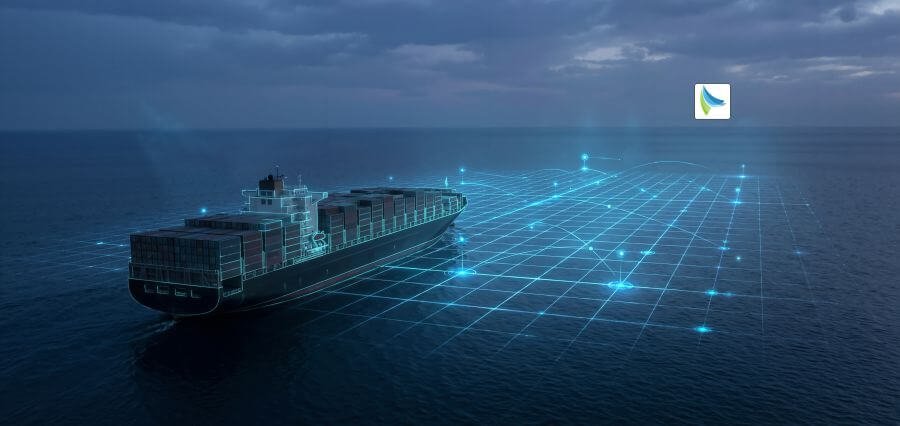
Digital Maritime Logistics
Effective global trade is dependent on the efficient handling of the logistics that link manufacturers, vendors, and consumers in different markets across the globe. With increasing volumes of cargo traffic and complex logistics, the shipping industry has decided to take on the challenge of digital transformation through new and innovative procedures that encourage efficiency, transparency, and resilience. Companies need increased speed in shipment, higher visibility, and effective coordination in logistics networks in order to be competitive. In this regard, Digital Maritime Logistics has been embraced as a critical element by all parties involved in shipping operations including shipping lines, ports, and logistics providers. In addition, innovative Shipping Network Solutions have made the process easier.
The Rise of Digital Maritime Operations
Conventional maritime logistics was dependent upon paper-based processes, scattered communications, and poor visibility regarding cargo. Nowadays, technological advancement is revolutionizing the entire process of maritime logistics through ecosystem creation that allows quicker and more informed decision making. Digital Maritime Logistics helps organizations integrate their shipping activities through cloud technology, real-time analytics, automation, and intelligent monitoring systems.
Through the use of Digital Maritime Logistics, companies are able to get increased visibility with regard to cargo, vessels, and ports. The real-time information helps the logistics firms to predict potential problems, plan their schedules, and enhance customer communications. This makes the operations more certain and enables better coordination with other parties involved.
As digital technologies continue to mature, maritime organizations are discovering new opportunities to improve service quality and operational performance.
Building Smarter Shipping Networks
The effective transport of cargo requires the logistics network to be efficient, coordinating all parties involved in international supply chains. The modern solution for effective logistics is Modern Shipping Network Solution, which allows companies to control all these processes using advanced digital technologies.
With the help of Advanced Shipping Network Solutions, Artificial Intelligence, Predictive Analysis, and Scheduling have been used to streamline vessel routing, cargo loading, and transportation planning. This reduces any kind of delay and at the same time increases the efficiency and effectiveness of operations. Increased network visibility helps cater to the ever-changing requirements of customers.
By creating connected shipping ecosystems, organizations improve reliability while strengthening supply chain performance across global markets.
Driving Efficiency Through Technology
The modern logistics in the maritime domain are powered by technology. Automation, IoT sensors, digital documentation, and analytics enable companies to become more efficient and less complex simultaneously. Digital Maritime Logistics makes use of these technologies to ensure that intelligent shipping systems can be developed to promote constant improvements.
Smart monitoring systems allow for real-time analysis of the condition of the ship, state of the cargo, and performance in the environment. Automation of paperwork makes the process of customs clearance faster. The technologies of predictive maintenance allow shipping companies to avoid equipment failure.
On the other hand, Shipping Network Solutions help to coordinate efforts of ports, shipping companies, freight forwarders, and customers through provision of information during the entire shipping process. The integrated process helps to improve planning while facilitating quicker shipping of goods.
Strengthening Sustainability and Supply Chain Resilience
Being environmentally responsible is now a significant concern for the international shipping sector. Companies are faced with the challenge of ensuring that their processes remain effective and efficient despite being emission free. Digital Maritime Logistics plays a role in sustainability through the effective management of voyages and fuel efficiency.
In a similar manner, Shipping Network Solutions help ensure sustainable development through optimization of routes, better usage of cargo capacity, and reduced movements that do not add any value to the system.
Resilience has become another critical factor in light of the disruptions within supply chains due to uncertainties in the economy, geopolitics, and weather. With digital technologies, companies can stay ahead of any risk and keep their operations going even in the face of difficulties.
Transforming the Future of Global Trade
A new age for the shipping industry based on connectivity, intelligence, and collaboration is emerging. Companies that focus on Digital Maritime Logistics will find themselves well-equipped to increase efficiency, enhance their customer service experience, and respond to market dynamics. Digitalization enables companies to adapt to the growing complexity of global supply chains and promote future business growth.
Similarly, Shipping Network Solutions will remain influential in international business through the development of an integrated logistics environment that will ensure visibility, coordination, and improved transport efficiency. These organizations will be more flexible in their operations and have better positioning in a competitive environment.
With the aid of the two innovations, namely Digital Maritime Logistics and Shipping Network Solutions, the future of maritime business is being shaped. With innovation through digitization and collaborations together with smart logistics, companies can establish strong shipping networks. With continued developments in international business, those that embrace digitization will be better placed in efficiency and reducing operational risks.