




Prime Highlights
- Smartbird appoints Nadia Carlsten as CEO, replacing Joe Vernachio to advance its AI infrastructure strategy.
- Smartbird’s shares jumped 39% following the leadership and strategic announcement.
Key Facts
- Smartbird, formerly Allbirds, is a rebranded AI infrastructure firm that originally made sustainable shoes from natural materials.
- Nadia Carlsten previously led DCAI, an AI infrastructure company operating the Gefion supercomputer in partnership with Nvidia.
Background
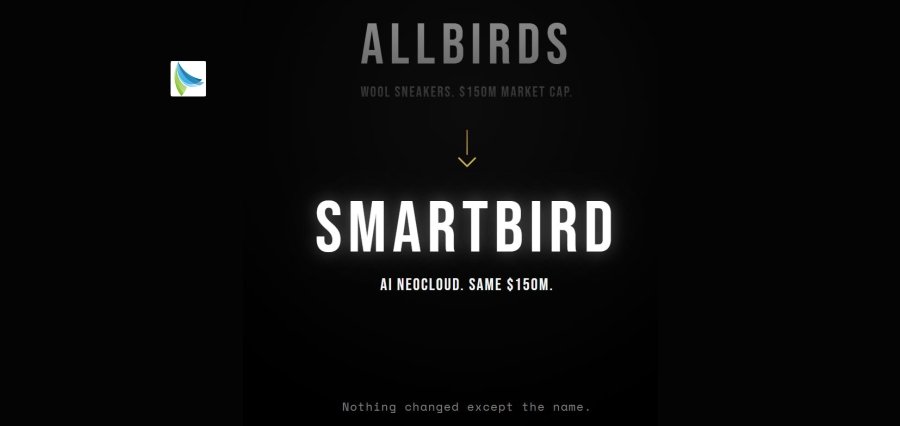
Former shoemaker Allbirds has rebranded to Smartbird and appointed Nadia Carlsten as its new chief executive officer and board member, replacing outgoing CEO Joe Vernachio.
Carlsten comes with a strong technology background. She previously led Amazon Web Services’ quantum computing centre and held a position at the US Department of Homeland Security. Most recently, she served as CEO of DCAI, a Denmark-based AI infrastructure company that partnered with Nvidia and operates the Gefion supercomputer.
Smartbird’s shares surged 39% following the announcement.
The company had pivoted away from footwear in the second week of April, announcing plans to shift into AI compute infrastructure and hardware. It rebranded to NewBird AI at the time, and its market capitalisation rose sevenfold. The move came weeks after the company sold its shoe assets to brand management firm American Exchange Group for $39 million in the first week of March. It had also closed its US full-priced stores in the final week of January.
Smartbird joins a growing list of companies repositioning around AI to ride the technology wave that followed ChatGPT’s launch in late 2022. Social media platform Myseum made a similar shift just a day after Allbirds’ initial rebrand. AI infrastructure firm CoreWeave, which began in crypto mining before pivoting to AI, went public last year.
Former professional soccer player Tim Brown and renewable resources expert Joey Zwillinger founded Allbirds in 2015. The company went public on Nasdaq in 2021, with shares surging 90% on debut. Since then, its stock has fallen nearly 99% from its peak amid mounting competition and slowing demand.
Read Also : Meta Secures New AI Computing Capacity Through Crusoe Data Center Agreements