




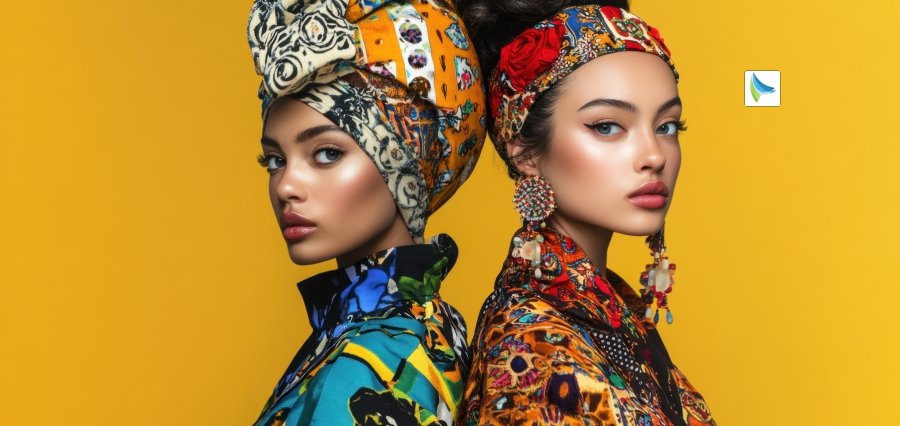
Creativity Through Culture
Fashion is a powerful form of cultural expression. It reflects identity, heritage, and the traditions that shape people and communities. While trends change over time, many of the most meaningful designs are inspired by culture, history, and personal experience.
Fashion is always evolving, and people are beginning to value what makes design feel truly genuine. Fashion rooted in cultural identity brings real depth to creative work rooted in lived traditions, honest experiences and a true sense of community. That foundation gives fashion something that trends alone simply cannot.
The Importance of Authentic Origins in Design
Every garment tells a story, but not every story belongs to the person telling it. When designers draw from lived experience, inherited tradition and real cultural connection, the work lands differently. Fashion rooted in cultural identity is not a visual reference; it is a creative act tied to memory, community and meaning. That cannot be manufactured on demand.
This matters because authenticity is harder to fake than it used to be. People have grown sharp at spotting the difference between sincere expression and surface-level borrowing. Work that comes from a real place holds attention in a way that assembled aesthetics rarely do. It resonates because it is specific, and specificity is what gives creative work its staying power.
Preserving Tradition Through Contemporary Design
A common misconception is that drawing from cultural tradition means recreating the past. The most compelling work does something quite different. It treats tradition as a living source rather than a fixed archive. Techniques, patterns, silhouettes and materials passed down through generations carry accumulated knowledge. When that knowledge is understood rather than copied, it opens up possibilities that trend-driven design cannot reach.
Fashion rooted in cultural identity tends to carry a layered quality. A single piece might reference a specific weaving method, a ceremonial color palette, or a construction approach tied to a particular region. Those layers give the work depth and allow it to be read on multiple levels, which is exactly what separates enduring design from something built for a single season.
How Cultural Foundations Inspire Creativity
There is a widespread belief that creativity thrives on total freedom. In practice, some of the most inventive work comes from within constraints, a specific material, a community’s aesthetic language, or a set of cultural values that shape what a garment is even meant to be. Those boundaries do not limit creativity. They give it direction and something solid to push against.
For designers working within their own cultural contexts, that foundation brings real clarity. They are not searching for an identity; they already have one to build from. Fashion rooted in cultural identity gives the creative process a starting point that is both personal and connected to something much larger than the individual. That combination consistently produces work with genuine distinction.
Expanding Perspectives Through Representation
The range of cultural identities present within the fashion industry directly shapes what the industry produces. When design teams, creative directors, and decision-makers reflect a wider range of backgrounds, the work naturally draws from a broader pool of real experience. This is not an argument about optics; it is a straightforward creative one.
Wider representation means more authentic stories being told, more distinct visual languages entering the conversation, and more fashion rooted in cultural identity reaching the audiences it was always meant to speak to. The work becomes richer, not just in a social sense, but in terms of the actual quality and range of what gets made.
Continuing Cultural Legacies Through Design
One of the less talked-about dimensions of culturally grounded design is its relationship with inheritance; not just receiving a tradition but actively continuing it. Designers who work consciously within their own cultural context often think about what they are giving back; not only what they are drawing on.
That sense of responsibility shapes creative decisions in ways that purely market-driven thinking does not. It introduces a longer view. Work is weighed not just against what sells or what the season calls for, but against what it contributes to something ongoing. Fashion rooted in cultural identity, approached this way, becomes part of a living conversation rather than a finished product.
Looking Ahead
The broader fashion world has a lot to gain from taking cultural grounding seriously, not as a trend to absorb, but as a principle worth understanding on its own terms. Creativity built on genuine identity tends to be more original, more considered, and more durable than work assembled from borrowed references and borrowed aesthetics.
The clearest lesson is also the simplest. The most compelling creative work always comes from somewhere real. When fashion rooted in cultural identity is given the space and respect it deserves, it does not just produce better individual pieces; it raises the standard for what fashion can say and who it can speak for.