




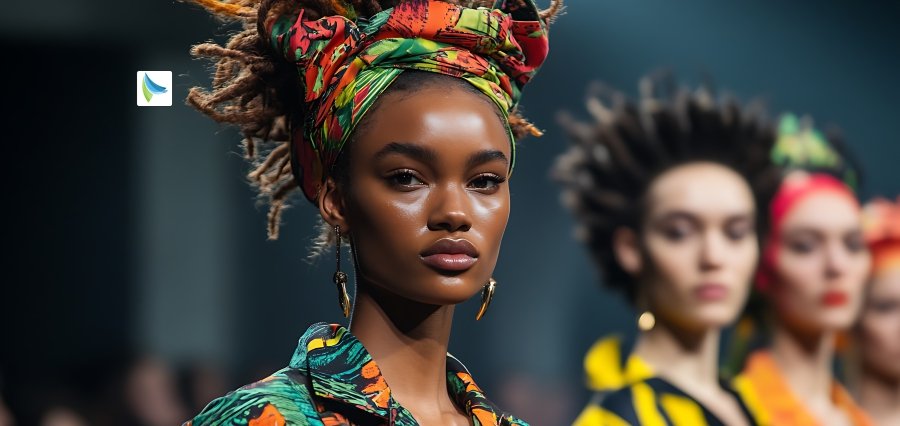
Global Style Influence
Fashion has always been more than clothing. It is a language spoken through fabric, color, pattern and craft, a way of communicating who a person is, where they come from, and what they carry with them. As the global fashion industry continues to evolve, one of the most powerful forces shaping its direction is not a new trend emerging from a major city runway. It is something far older and far deeper. Cultural heritage fashion is changing the entire world of fashion in ways that are reshaping how the world thinks about beauty, identity and the meaning behind what we wear.
Where Tradition Meets the Modern World
Every culture in the world has a visual language built over generations. Textiles woven by hand, embroidery passed down through families, dyeing techniques developed over centuries and silhouettes shaped by the daily lives of communities, these are not simply old practices. They are an expression of identity and are meaningful, and no process in a factory could duplicate their meaning.
With the increasing interconnection of global fashion, designers and consumers have started to seek inspiration and authenticity outside of the familiar western style. Cultural heritage fashion sits at the center of this search. Its richness, its depth and the stories embedded in its every detail offer something that fast fashion simply cannot provide, a genuine connection to human experience and history.
How Heritage Styles Are Entering Global Conversations
The path from a traditional craft community to a global fashion conversation is not always straightforward, but it is happening with increasing frequency. Techniques and aesthetics rooted in specific cultural traditions are appearing in collections shown at major fashion events, in the wardrobes of people far removed from the cultures that created them and in the broader visual language of contemporary style.
Cultural heritage fashion travels through multiple channels. Independent designers bring their cultural backgrounds into their creative work. Conscious consumers actively seek out pieces that tell a story and support the communities behind them. Each of these pathways contributes to a global fashion conversation that is becoming richer and more diverse with each passing season.
Ethical Approaches to Cultural Exchange
Adopting a heritage style, without credit, without payment to the communities who developed them or without awareness of the importance, causes real harm. It reduces deeply meaningful traditions to surface aesthetics and strips away the context that gives them their value. When engagement happens thoughtfully, with proper recognition and genuine support for the artisans and communities involved; it creates connections that benefit everyone and helps ensure that living traditions continue to thrive.
Craftsmanship, Community, and Cultural Continuity
Every item of cultural heritage has its own community of people, whose knowledge, skill and time brought it into existence. Weavers, embroiderers, dyers, and tailors working within living craft traditions are not simply producing goods. They are preserving knowledge that took generations to develop and that cannot simply be recreated by a machine or a shortcut process.
With the rise of a global interest in heritage fashion, there is a growing opportunity to make meaningful contributions to these communities. Consumers who choose pieces made within authentic craft traditions are contributing to the economic wellbeing of those communities and to the survival of skills that might otherwise disappear. This connection between a garment and the people who made it is one of the things that gives cultural heritage fashion its particular power in a world where so much of what we buy is anonymous.
Creativity Rooted in Heritage
There is a tendency in fashion to treat newness as the highest value. The next season, the next trend, the next big idea. But some of the most interesting and enduring contributions to global style have come not from looking forward but from looking back and across, to the vast wealth of human creativity that already exists in the world’s cultural traditions.
Cultural heritage fashion reminds the industry that creativity does not only live in the new. It lives in the refined, the inherited, the carefully made and the deeply meaningful.
In Summary
The influence of cultural heritage fashion on global trends is not a moment or a movement. It is a recognition that the world’s diverse cultures have always had something profound to say through what they wear. As that recognition grows deeper and more widespread, the global fashion conversation becomes richer, more honest, and more genuinely connected to the full range of human experience. That is not just good for fashion. It is good for the understanding we build of each other across cultures and across time.