




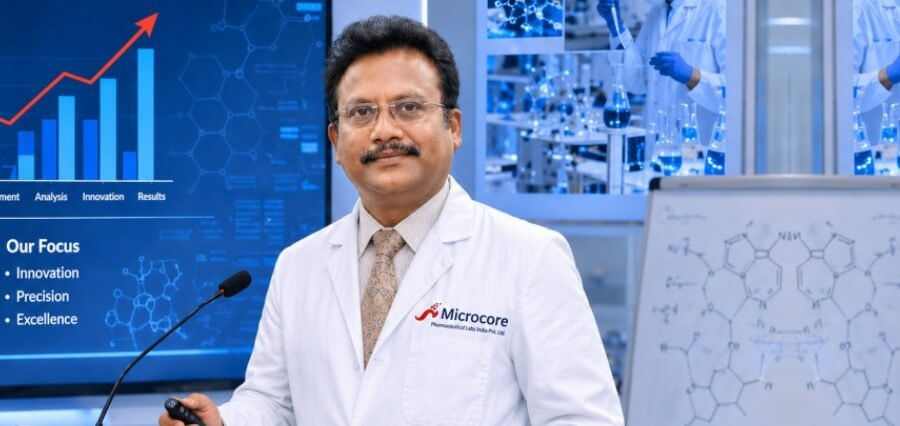
M. Chandramohan
Globally Recognized Biotechnology Entrepreneur | Patented Indian Scientist | Founder & CMD
Microcore Research Laboratories India Pvt. Ltd.
Thiruppugazh Biotech Pvt. Ltd.
Osteoarthritis (OA) is one of the most prevalent chronic musculoskeletal disorders worldwide, characterized by progressive degeneration of articular cartilage, synovial inflammation, subchondral bone remodeling, joint stiffness, chronic pain, and functional impairment. The disease predominantly affects weight-bearing joints such as the knees, hips, and spine, although the hands and shoulders are also frequently involved. While advancing age remains a primary risk determinant, the accelerating incidence of obesity, metabolic syndrome, sedentary lifestyle patterns, micronutrient insufficiencies, and occupational biomechanical stressors has significantly amplified the global disease burden.
Contemporary epidemiological evidence underscores OA as a major global public health challenge. According to the Global Burden of Disease assessments, approximately 595 million individuals worldwide were living with osteoarthritis in 2020, reflecting a substantial rise over the preceding three decades attributable to demographic ageing and population expansion. Projections further indicate a continued upward trajectory toward 2050. In India, arthritis represents a considerable healthcare burden, affecting nearly 15% of the population—estimated at over 210 million individuals, with osteoarthritis constituting the most prevalent subtype. Epidemiological trends consistently demonstrate a higher prevalence among females and older adults, particularly those above 55–65 years of age, highlighting gender- and age-associated vulnerability patterns.
Despite the widespread use of pharmacological interventions such as Diacerein-based drug combinations, concerns persist regarding gastrointestinal intolerance, hepatotoxicity risks, and long-term safety limitations. These constraints underscore the urgent need for safer, evidence-based, disease-modifying alternatives that address both symptomatic relief and structural joint preservation.
In this context, clinically validated formulations based on Natural Egg Shell Membrane (NESM) represent a scientifically robust and biologically rational innovation in osteoarthritis management. Standardized NESM preparations, developed through proprietary and patented process technologies, are designed to preserve the native extracellular matrix architecture, thereby maintaining the biological integrity of intrinsic bioactive constituents. Notably, egg shell membrane is a unique natural biomaterial recognized for its expression of multiple physiologically relevant collagen subtypes—including Types I, III, V, and X—alongside elastin, glycosaminoglycans, hyaluronic acid, and bioavailable sulfur-containing compounds. Collagen Type I is the predominant structural protein found in skin, bone, ligaments, connective tissues, and vascular structures; Collagen Type III forms reticular fibers essential for tissue elasticity and repair; Collagen Type V contributes to the structural organization of the placenta and hair; and Collagen Type X plays a specialized role in articular cartilage metabolism and endochondral ossification. Collectively, these collagen subtypes contribute to the maintenance of connective tissue strength and resilience. In dermatological and hair biology contexts, collagen supports the dermal matrix and anchors hair follicles, thereby promoting tensile strength, structural integrity, and overall hair vitality. Clinically, well-standardized NESM formulations have demonstrated efficacy in reducing joint pain, improving flexibility, and supporting cartilage function, underscoring their translational potential in musculoskeletal health management.
This unique structural synergy enables multi-targeted therapeutic modulation, including attenuation of NF-κB–mediated inflammatory cascades, reduction of pro-inflammatory cytokines such as TNF-α and IL-1β, support of chondrocyte viability, and enhancement of cartilage matrix homeostasis.
Clinical investigations have demonstrated that optimized NESM-based nutraceutical combinations provide statistically significant improvements in joint pain, stiffness, functional mobility, and quality-of-life indices, while maintaining an excellent safety profile suitable for long-term administration. Importantly, comparative evaluations have indicated parity—and in selected parameters, superiority—over conventional Diacerein-based regimens, particularly with respect to gastrointestinal tolerability and sustained joint function improvement. Thus, clinically validated Natural Egg Shell Membrane formulations emerge as a next-generation, mechanism-driven, and safety-oriented strategy for osteoarthritis management. By integrating biomaterial science, translational biotechnology, and evidence-based nutraceutical innovation, these formulations offer a compelling alternative paradigm—shifting from symptomatic pharmacotherapy toward structural joint support and long-term musculoskeletal resilience.
Despite advances in pharmacological management, conventional therapies such as non-steroidal anti-inflammatory drugs (NSAIDs) and corticosteroids largely provide symptomatic relief without addressing the underlying structural degeneration of articular cartilage or restoration of synovial fluid integrity. These agents do not regenerate hyaline cartilage, reconstitute extracellular matrix architecture, or reverse subchondral bone demineralization. Moreover, prolonged administration is frequently associated with gastrointestinal irritation, hepatotoxicity, nephrotoxicity, and elevated cardiovascular risk. These inherent limitations underscore the pressing clinical need for biologically supportive, safe, and long-term therapeutic alternatives capable of addressing disease-modifying pathways rather than merely suppressing symptoms.
Bridging this critical therapeutic gap, M. Chandramohan, an entrepreneurial biotechnology scientist with over two decades of multidisciplinary research expertise, conceptualized and developed an indigenous biomaterial innovation based on Natural Egg Shell Membrane (NESM). As the Founder and Chairman & Managing Director of Microcore Research Laboratories India Pvt. Ltd. (established 2007), he spearheaded the engineering and standardization of a proprietary, patented bioprocess platform for the extraction and bio-functional optimization of NESM. This advanced process was specifically designed to preserve the native molecular conformation and supramolecular integrity of critical extracellular matrix proteins, including collagens, elastin, glycosaminoglycans, and bioactive peptides, thereby maintaining their intrinsic biological functionality.
Recognized as one of India’s leading deep-science entrepreneurs in biotechnology, M. Chandramohan has played a transformative role in advancing high-value nutraceutical biomaterials, clinical-grade process engineering, and translational research ecosystems within India. With more than 25 years of expertise spanning Microbiology, Industrial Bioprocessing, Biomaterials Engineering, Nutraceutical Innovation, and Clinical Research, his work has significantly strengthened indigenous capabilities in advanced biomaterial sciences.
His contributions have been acknowledged through numerous national and international accolades, including the India Top 100 SME Award (2022), the APJ Abdul Kalam Excellence Award (2018), and the Goal Achiever Award (2018). Earlier recognitions include the Mother Teresa Excellence Award (2012) and the Outstanding Young Person Award (2009) conferred by Junior Chamber International India., Microcore recognized as one of the Top Nutraceutical R&D and Manufacturing Companies for the Year 2026 by India Pharma Outlook. This recognition reflects an unwavering commitment to innovation, scientific excellence, and clinically validated nutraceutical solutions. Microcore Featured as Cover Story & Recognized as a Leading Nutraceutical R&D Company 2026 in Entrepreneur One Magazine (Vol. | Issue 03 | March 2026)
The company continues to lead the way in research-driven product development, setting new benchmarks in quality, regulatory compliance, and healthcare impact. He also received the Best Poster Award at the International Conference on Food Science and Technology and multiple Biocon Contribute Awards (2003–2005) from Biocon Limited, reflecting sustained excellence in scientific research and industrial innovation. Collectively, these distinctions exemplify his enduring commitment to translational biotechnology, evidence-based nutraceutical development, and patient-centric innovation.
The technological development of the NESM stabilization platform was scientifically intricate and required nearly a decade of iterative experimentation, validation, and bioanalytical refinement. A primary challenge involved preserving the native conformational architecture of the biomatrix without inducing denaturation, proteolytic degradation, or glycosaminoglycan depolymerization during extraction and downstream processing. Through systematic optimization of extraction kinetics, thermal parameters, pH modulation, and molecular stabilization strategies, the process was meticulously refined to ensure reproducible structural conservation and enhanced biological potency.
Importantly, egg shell membrane (ESM) materials are not biologically equivalent across manufacturing systems. Variations in thermal exposure, enzymatic treatment, chemical extraction, or mechanical shear can disrupt fibrillar collagen organization, compromise elastin cross-link maturity, and destabilize the native protein–polysaccharide supramolecular network. Such physicochemical perturbations significantly diminish molecular integrity, bioavailability, and translational efficacy.
Microcore’s proprietary NESM, branded as MuttaiJow Complex®, represents a structurally conserved and biofunctionally optimized biomaterial engineered to preserve the intrinsic extracellular matrix–like architecture of the avian membrane. Through an advanced patented stabilization technology conceptualized by Chandramohan, the native collagen–elastin–glycosaminoglycan network is maintained in its biologically active conformation, preventing denaturation, preserving mature elastin cross-links (desmosine and isodesmosine), and sustaining molecular synergy within the composite scaffold. Preservation of this hierarchical ultrastructure ensures reproducible bioactivity, enhanced functional performance, and consistent clinical responsiveness.
The ingredient has secured PA-II regulatory approval from the Food Safety and Standards Authority of India, authorizing the health claim: “For maintaining healthy joints and connective tissues.” This regulatory validation affirms its safety, quality compliance, and scientific substantiation within the Indian nutraceutical framework.
Natural Egg Shell Membrane constitutes the fibrous interfacial matrix of the avian eggshell and embodies a highly integrated biomolecular consortium comprising Collagen Types I, III, V, and X; elastin enriched with mature desmosine and isodesmosine cross-links; sulfated glycosaminoglycans including chondroitin sulfate, dermatan sulfate, and keratan sulfate; hyaluronic acid; endogenous glucosamine; and diverse bioactive peptides. Unlike isolated marine or bovine collagen preparations that deliver single-molecule supplementation, NESM provides a structurally intact extracellular matrix analogue wherein structural proteins and glycosaminoglycans coexist within a physiologically interactive scaffold, enabling synergistic bioactivity.
Mechanistically, NESM has demonstrated modulation of key inflammatory and catabolic pathways implicated in osteoarticular degeneration, including suppression of NF-κB signaling, downregulation of pro-inflammatory cytokines such as TNF-α and IL-1β, and attenuation of cartilage-degrading enzymatic cascades. Clinical data registered under the Clinical Trials Registry of India (CTRI/2021/08/035335) report statistically significant improvements in joint pain, stiffness, and functional mobility, alongside favorable modulation of cartilage degradation biomarkers. Collectively, these findings position MuttaiJow Complex® as a scientifically validated, high-performance nutraceutical intervention supporting joint homeostasis, connective tissue resilience, and long-term musculoskeletal health.
Notably, Microcore Research Laboratories India Pvt. Ltd. stands among the first globally to undertake a rigorous head-to-head clinical evaluation of Natural Egg Shell Membrane (NESM)-based nutraceutical combinations against Diacerein-based pharmaceutical formulations in the management of osteoarthritis. During the initial clinical protocol design phase, several orthopaedic experts advised Mr. M. Chandramohan to compare the NESM formulation either with placebo controls or with alternative nutraceutical combinations. The prevailing opinion was that direct benchmarking against Diacerein—an established pharmacological agent with recognized symptomatic efficacy—would not represent conventional best practice, given the assumption that the pharmaceutical arm would predictably demonstrate superior outcomes.
However, guided by scientific conviction and a comprehensive mechanistic understanding of NESM bioactives—including structurally intact collagen matrix proteins, elastin, glycosaminoglycans, and biologically active growth-supportive factors—Mr. Chandramohan strategically elected to position the formulation against a recognized pharmaceutical standard rather than a placebo comparator. This decision reflected a deliberate commitment to evidence-based benchmarking at the highest comparative level.
The outcome proved scientifically consequential. The comparative clinical investigation demonstrated:
- Therapeutic parity with Diacerein across key clinical endpoints
- Superior performance in selected functional and patient-reported outcome measures
- Clinically meaningful improvements across validated osteoarthritis assessment scales
- Favorable safety and tolerability profile
- Enhanced patient compliance, particularly attributable to improved gastrointestinal safety
These findings repositioned the NESM-based combination from a conventional supportive nutraceutical to a scientifically validated, evidence-driven intervention in osteoarthritis management—bridging the translational gap between pharmacotherapy and functional biomaterial science. The study findings were published in the Journal of Current Research in Scientific Medicine (January 2022), reinforcing its academic and clinical credibility.
Building upon this validated biomaterial platform, Microcore developed JointCore®, a synergistic nutraceutical formulation comprising:
- MuttaiJow Complex® – Natural Egg Shell Membrane (400 mg)
- AKBACORE® – Boswellia serrata extract standardized to 30% AKBA (90 mg)
- CUMINCORE® – Curcumin extract 96% (10 mg)
Each component operates through complementary and scientifically characterized mechanisms:
- NESM (MuttaiJow Complex®): Structural extracellular matrix reinforcement, collagen support, and immune modulation.
- AKBACORE®: Inhibition of inflammatory mediators via 5-lipoxygenase pathway modulation, reducing leukotriene biosynthesis.
- CUMINCORE®: Controlled modulation of cyclooxygenase pathways, supporting balanced inflammatory signaling.
Importantly, the curcumin dosage is precisely calibrated to minimize potential pharmacokinetic interactions involving cytochrome P450 enzymes and P-glycoprotein transport systems, thereby enhancing compatibility when co-administered with commonly prescribed medications—including cardiovascular agents, anticoagulants, antidepressants, and antibiotics. This reflects a formulation philosophy grounded in safety optimization and adjunct therapeutic compatibility.
A randomized, open-label, multicenter comparative clinical study evaluated JointCore® against a conventional drug-based regimen containing glucosamine, diacerein, and MSM over a 12-week period. Outcomes demonstrated statistically and clinically significant improvements in Pain VAS, WOMAC scores, OMERACT-OARSI responder criteria, and inflammatory biomarkers including hs-CRP and ESR. Safety parameters—including hepatic and renal function markers—remained within normal physiological limits throughout the study duration. The results indicated that JointCore® achieved comparable symptomatic relief and functional improvement with a favorable safety and tolerability profile.
Today, Microcore is recognized among a limited cohort of global innovators possessing patented NESM production technology, regulatory compliance, and India-based clinical validation. This achievement substantially reduces dependency on imported biomaterials and strengthens India’s strategic position in advanced nutraceutical biomaterial science. JointCore® is positioned as an evidence-based adjunct nutraceutical designed to support joint structural integrity, attenuate inflammatory burden, and enhance functional mobility in osteoarthritis patients under medical supervision.
Clinical evaluation of Jointcore® demonstrates its early onset and superior efficacy in pain management compared with reference nutraceutical-drug combinations (Jointace DN). Significant improvements were observed across multiple validated endpoints, including the Pain VAS scale, WOMAC pain subscale, global assessment of osteoarthritis improvement, and OMERACT–OARSI responder criteria. The combination proved clinically equivalent to standard drug therapy by effectively reducing inflammation, providing sustained analgesia, and enhancing functional mobility and joint performance. Notably, these benefits were achieved without major adverse effects or drug interactions, underscoring the natural origin and excellent tolerability of the formulation.
Objective biomarker analyses further support these findings. Key inflammatory markers demonstrated robust reductions over 12 weeks: hs-CRP decreased from 7.15 ± 4.6 to 3.86 ± 2.91 mg/L, ESR from 45.75 ± 32.83 to 9.0 ± 4.5 mm/h, and fibrinogen levels showed a significant decline from baseline (309.29 ± 96.31 mg/dL). These data indicate anti-inflammatory activity comparable to conventional drug-based regimens.
Safety assessments confirmed an excellent renal and systemic profile. Serum creatinine decreased by approximately 25% (1.1 ± 1.0 → 0.83 ± 0.19 mg/dL), with no clinically significant abnormalities in hematological or biochemical parameters, and no evidence of hepatotoxicity, nephrotoxicity, or disturbances in blood glucose. Collectively, these results demonstrate that jonitcore® provides a safe, well-tolerated, and clinically effective natural approach for osteoarthritis management.
Under the visionary leadership of M. Chandramohan, Microcore has expanded its proprietary biomaterial portfolio to include Patented & Proprietary Technologies covering Natural Egg Shell Membrane (NESM), Natural Egg Shell Calcium (NESC®), Undenatured Collagen Type II (Chicken Sternum), Egg Shell Hydroxyapatite, Molecular Interlocking & Porosity-Enhanced Biomaterial Engineering, and Next-Generation Biomaterial Extraction Technologies. These innovations have meaningfully reduced India’s reliance on imports from the United States, Japan, Europe, and China—thereby reinforcing national biomedical self-reliance and strategic autonomy.
Beyond osteoarthritis applications, Microcore’s R&D ecosystem encompasses: Advanced Functional Biomaterials, Wound Healing Collagen Complex for accelerated tissue regeneration Optimized Hydroxyapatite for dental and orthopaedic surgical applications, Specialized collagen variants (Type III, V, and X) targeting dermal elasticity, connective tissue integrity, and osteochondral development, Hyaluronic acid–collagen synergistic combinations for joint and dermal support and Fermentation-Derived Functional Nutraceuticals includes High PDCAAS protein from fried Bengal gram, Vitamin K2-7 derived via controlled fermentation, Medium-chain triglycerides (MCTs) from fermented coconut oil, Fermented turmeric soluble dietary fiber, Flavorozyme enzyme complex, Anthocyanins extracted from red cabbage With state-of-the-art R&D infrastructure in Tamil Nadu and a 10-acre integrated biomaterial innovation hub under development, Microcore represents a fully indigenous, end-to-end biomaterial ecosystem—from raw material engineering and molecular stabilization to clinical validation and commercialization. Through patented process engineering, translational biomaterial science, and evidence-based clinical validation, the work led by M. Chandramohan exemplifies the convergence of biotechnology innovation, national self-reliance, and patient-centric therapeutic advancement—positioning clinically validated NESM formulations as a safe, sustainable, and scientifically advanced strategy in contemporary osteoarthritis management.