



Brand activations are having a moment. Customers want to feel, touch, smell, and experience the product.
That’s why companies use special event production experts to produce sound, visuals, and live shows, explains Avanti Productions. They become exclusive gatherings. Snagging an invite to these guests-only parties is as rare as finding a parking space in Brooklyn.
So when MoonBrew announced its Dream Land pop-up at 213 Bowery in NYC, marketing teams were curious to see how the company would pull it off. And let’s just say that people are still talking about it months later.
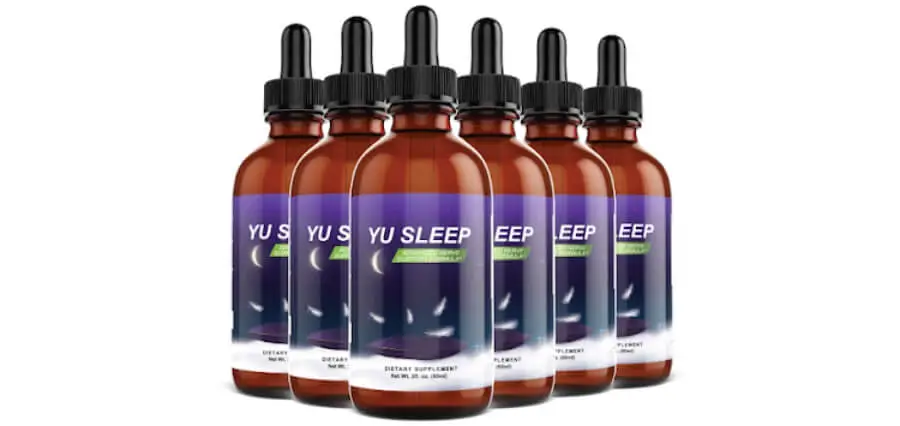
Attendees relaxed in an ambient lounge while sampling the brand’s sleep-supportive gummies and beverages. The soft lighting and a curated environment set the mood for enjoyment, rest, and wellness.
The activation points to a shift in experiential branding, and marketing teams should take note of the big trends shaping the future.
Experiences Beat Ads
People tune out ads. They lean into experiences.
Modern audiences want to interact with brands, not see them. That translates to events, pop-ups, immersive retail spaces, and hybrid online-offline moments.
Research on experiential marketing shows that sensory design, personalization, and interactive storytelling are becoming essential for engagement.
The benefits of experiential marketing:
- Emotional connection drives loyalty
- Experiences are more shareable
- Memory trumps visibility
If people remember how your brand felt, you’ve already won half the battle.
Human Connection Still Rules
Technology is everywhere. But don’t forget that the human element is as important.
Vogue Business reports that successful brand spaces in 2026 will focus on emotional value, curated environments, and personalized service rather than pure spectacle. That means:
- Less noise, more substance
- Real conversations
- Personal touches
- Thoughtful design
Tech supports the experience. It doesn’t replace people. And frankly, audiences can smell fake from a mile away. Authentic wins.
Hybrid Experiences Are Here to Stay
Physical versus digital is an old debate. Why can’t it be both?
Brands are blending live events with livestreams, social media integration, and follow-up digital journeys. Companies offering event production and broadcasting services already make this seamless.
You’re reaching a wide audience, offering flexible participation and continuous engagement.
Someone might attend virtually, then visit in person later. That loop keeps the relationship alive.
Sensory Branding Is Getting Serious
Sight alone isn’t enough anymore. Brands are tapping all five senses.
Think soundscapes, lighting, textures, scents, and taste experiences. These layered environments make events more immersive and memorable.
What this looks like:
- Interactive installations
- Multi-sensory pop-ups
- Immersive event staging
This isn’t fluff. Sensory engagement strengthens recall and emotional response. The more senses involved, the deeper the impression.
Storytelling Is the Real Star
Flashy visuals are nice, but stories are powerful.
Modern branding leans heavily on narrative. Emotionally engaging storytelling helps convert audiences into loyal customers and advocates.
Strong brand stories usually have a clear purpose, cultural relevance, and, once again, emotional connection.
And yes, authenticity matters. If the story feels forced, people notice.
Community Is the New Currency
Consumers don’t just buy products. They join tribes.
Experiential trends show growing emphasis on community-driven design, shared spaces, and events that embrace inclusivity.
Marketing experts say that smart brands build community by hosting collaborative events and encouraging participation. These actions result in shareable moments.
And that’s when marketing transforms into belonging.
Technology Is the Power Player
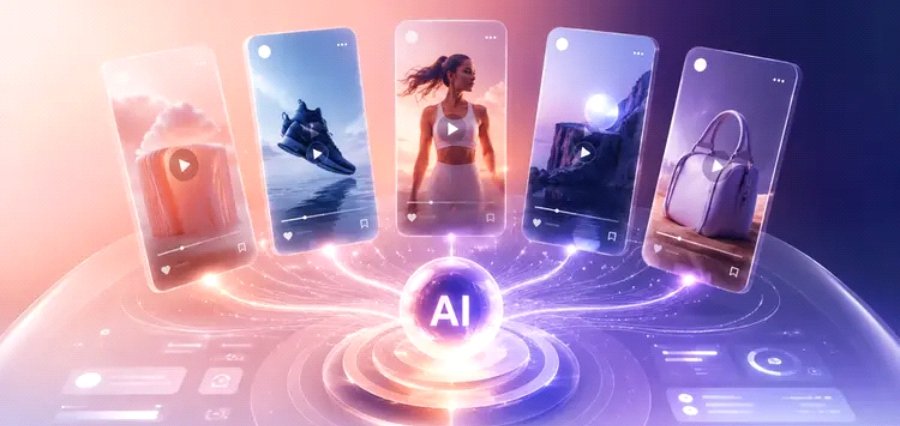
AI, data insights, and analytics are shaping experiences behind the scenes.
Fast Company highlights smarter personalization, faster response times, and in-depth customer insight as key brand trends.
Here’s the difficult part: tech should feel invisible. When it works best:
- Experiences feel natural
- Personalization feels helpful
- Interaction feels effortless
Nobody wants to feel “marketed to.” They want to feel understood.
Values Are Driving Brand Loyalty
Modern consumers care about more than products. They look for purpose.
Customer experience research shows brands increasingly need transparency, ethics, and clear values to earn trust.
Sustainability efforts, social impact initiatives, and honest communication are where branding aligns with real-world values. Make that happen, and customer loyalty follows.
What Smart Marketers Should Do Next
Branding and marketing teams should focus on meaningful experiences, authentic human connections, and hybrid engagement.
Bring in the sensory storytelling angle. Make community the heart of the campaign. And yes, keep experimenting. The brands that test and adapt usually lead the pack.
Branding is no longer talking to people. It’s creating moments with them. Experiences now shape perception more than ads ever did.
And as technology evolves, the brands that blend human connection, creativity, and smart strategy will stand out.
The future isn’t just branded. It’s experienced. And honestly? That’s a lot more fun for everyone.