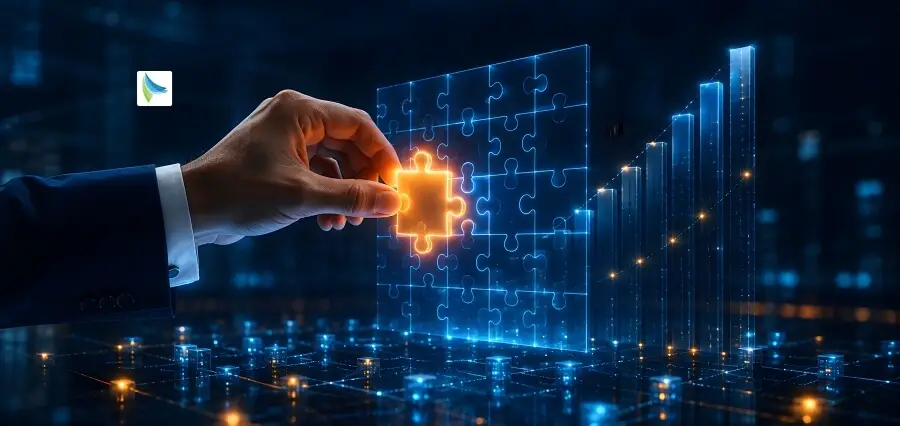




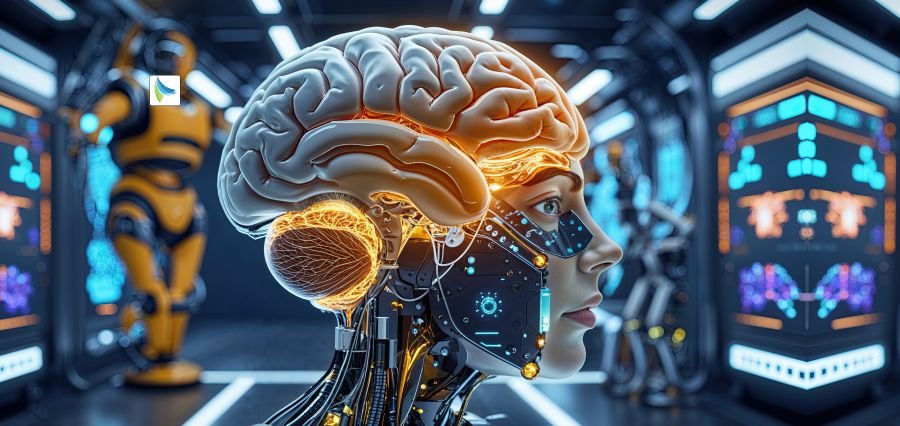
2026 denotes a revolutionary shift in the very definition of intelligence. It is no longer just a large amount of intelligence or the best use of algorithms that get counted as intelligence; rather, there are many more factors involved, for example, system’s learning, remembering, and even applying knowledge across different times and places. AI, brain research, and database technology are all making their contributions to the great transformation of memory from a substance of static nature to that of a dynamic and adaptive capability. This shift is grabbing not only machines but also human’s manner of processing data, decision making, and knowledge sharing. The memory has turned into the primary war zone in this transformation. The ability to retain important information, to disregard through good judgment, and to draw insights at the proper time has emerged as the main factor of progress in the data-powered world. Memory is no more a place where only enterprise systems keep past knowledge; it is now a personal AI assistant that progresses along with the user.
Evolving Intelligence
In 2026, intelligence has prompted a new definition that does not only include problem-solving but rather a gradual understanding. Modern intelligent systems will be able to recognize patterns over years rather than seconds, with responses shaped by experience accumulated gradually. This has brought about a change from transactional intelligence to relational intelligence, where the systems are aware of their previous interactions and respond differently. This technological transformation is less reactive and more anticipatory, thus facilitating decisions rather than merely following commands. The same redefinition is also evident in how organizations deploy intelligence at scale. Companies are no more interested in separate analytical tools but rather in integrated intelligence layers which consist of historical insights, customer behaviors, and operational lessons.
Memory assisted intelligence will allow companies to not only avoid past errors but also to speed up the process of innovation. It will create a sense of accountability since there will be a way of tracking the decision-making through data and past outcomes that have been remembered which will bolster governance and trust. On a societal level, the development of intelligent systems is having an impact on education and skills. Recall is becoming a lesser focus of learning as external systems increasingly handle information retrieval. Human intelligence is shifting toward interpretation, judgment, and creativity, while machines manage structured memory.
Memory Systems
In 2026, memory is more than just a matter of storage capacity, but a matter of structure and relevance. The most advanced memory systems are placing meaning, context, and usability above the volume that is processed. One sign of this in AI is the adoption of the new persistent memory architectures that allow the retention of user preferences, domain expertise, and situational awareness of the system over a prolonged period. These systems allow for continuity thereby reducing friction and at the same time increasing personalization without the need for constant retraining. As memory systems expand, the ability to rid the system of outdated or low-value information becomes a necessity.
Today intelligent memory consists of the means for decay, compression, and abstraction, thereby ensuring that the insights are always usable and not too much to handle. This is same as human cognition where the process of forgetting is as vital as that of remembering. Intelligent systems that actively manage their memory can be efficient, relevant, and even resistant to extinction. In human situations, memory systems are being enhanced by digital tools that serve as external cognitive partners. Knowledge workers more often than not depend on intelligent platforms to remind them of their past work, to provide them with a summary of the long-term project, and to bring up the relevant insights at the time of need. Thus, these tools have an impact on how productivity and collaboration are shaped, allowing teams to be built on knowledge that has already been acquired instead of starting from scratch.
Future Implications
Memory-driven intelligence in the coming years is going to be a topic of vibrant debates on ethics and strategy. The use of memory that never goes away is going to be a factor in the discussions of privacy, consent, and power, especially in cases when system keeps track of a person’s behavior or decision for a long time. In 2026, organizations will have to face the challenge of creating memory frameworks that are open and user-friendly, allowing the user to see, control, and even delete the information that has been stored when needed. The degree of trust in intelligent systems to a larger extent is determined by the manner in which memory is managed.
Besides the ethical issue, one of the other consequences is a change in the power dynamics and prevalence of inequity. The ability to control large-scale memory infrastructures gives the entities a significant edge, as the long-term data gives them the power to predict and influence more accurately. Thus, governments, corporations, and platforms are working hard to find the right balance between the two aspects, i.e., memory-based intelligence should not lead to monopolies or create situations where individuals lose their power. The regulation is slowly shifting from focusing on data collection to looking at the entire data lifecycle from data retention to usage over time.
Conclusion
In 2026, the cognitive vanguard from different fields such as technology, science, and policy are gradually reinterpreting intelligence through memory. Nowadays, the retaining of context, learning from experience, and the wise application of knowledge over time are the new criteria for measuring intelligence besides speed and scale. Memory has turned out to be the common thread that binds past insights to the present and future decisions, thus making it possible for machines and humans alike to work with greater continuity, foresight, and responsibility. The forthcoming challenge is to develop memory-based intelligence that aligns with the desired goals when done carefully. As the systems become powerful in the aspect of memory, society will have to ensure that memory is governed by the principles of openness, ethics, and human values.