




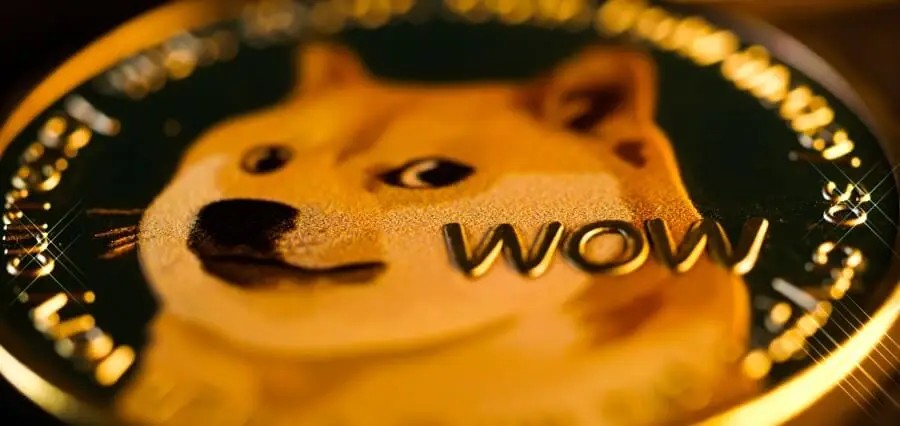
Meme coins keep forcing serious investors to look at a market they might prefer to dismiss. The category began with jokes and internet culture. It now attracts trading volume and research attention. Reuters reported that Dogecoin rose more than 12,000% in 2021 before falling almost 80% by mid-December through its year-end crypto review. That history still shapes how professionals view the sector. The gains can be extreme. The falls can be hard.
Public crypto use gives meme coins a larger potential audience than they had during the early Dogecoin years. That audience has expanded since 2021, when the Dogecoin price ran to an all-time high amid retail trading enthusiasm. Pew Research Center reported in 2026 that 19% of US adults had invested in or used cryptocurrency. A token does not need most people to buy it before trading activity changes. It only needs enough attention to bring more orders into the market. That helps explain why business leaders and traders continue to watch meme assets even when they decide not to invest.
Bitcoin gives investors the first reference point
Potentially incorporating Bitcoin into a portfolio usually comes before any look at meme coins. Bitcoin has a long record. It also has a supply cap that many investors understand. Meme coins draw attention for different reasons. Their appeal often comes from culture and momentum. That makes them harder to value with the usual tools.
Dogecoin gives the category its best-known reference. On Binance today the Dogecoin price is about $0.099 per DOGE. Binance’s live page also lists Dogecoin’s market cap and trading volume on its price page. That kind of live pricing gives traders a quick read on demand. It also shows why position size needs care. A low price per coin can make the asset look small. Market cap gives a better view of the money already in the asset.
Attention can become liquidity
Investors don’t overlook meme coins because attention can turn into liquidity. Liquidity means buyers and sellers are active enough for trades to happen without huge price gaps. A strong community can bring that activity to a token. Once activity rises, professional traders may watch it for short-term opportunity.
Academic research backs up this point. In their 2022 paper Is Dogecoin a Viable Investment? Insights from Network and Bubble Effects, Ruoxin Xiao, Xinyu Ying, Hengxu Li and Kexin Liu found that network activity and tweet sentiment helped explain expected Dogecoin returns. The researchers also identified a strong time-series momentum effect. That does not make Dogecoin safe. It shows why social signals can become market signals.
The category can reveal retail appetite
Meme coins also show how retail investors feel about risk. When people feel confident, speculative assets often draw more interest. When fear rises, traders tend to leave the fastest-moving corners first. Business leaders who follow crypto can use meme coin activity as one clue about market mood.
FCA consumer research from 2025 found that UK public awareness of cryptoassets remained high at 91% in its research note. The same report found that Dogecoin awareness among cryptoasset users remained close to 2024 levels. That tells investors something practical. Even after several market cycles, the best-known meme coin still holds public recognition.
Some assets outlive the joke
A meme coin can begin as a joke and still build market structure. Dogecoin has survived for more than a decade. It trades across many venues and attracts regular attention. That survival gives it a different profile from tokens that appear during a short online rush.
A newer token needs more scrutiny. Look at the number of holders. Check whether liquidity is concentrated. Read the contract information where available. Watch how developers communicate. A strong chart can draw buyers before those checks happen. That order creates trouble.
Fragility varies across the sector
Recent research treats meme coins as a distinct risk category. The paper Measuring Memecoin Fragility proposed a framework covering volatility and whale dominance. It also studied sentiment amplification. The authors found that established tokens such as DOGE and SHIB fell into an intermediate risk range. Politically themed tokens showed higher fragility.
That finding helps explain why investors sort the category rather than reject it all at once. Some meme coins have deeper markets. Others depend on a narrow group of holders. A professional investor can watch the whole sector while choosing only a small exposure. Observation does not require enthusiasm.
Scams make caution part of the processScams make caution part of the process
The same attention that drives meme coins can attract fraud. FINRA warned in 2025 that it had seen a significant spike in complaints linked to fraudulent social media investment groups through its investor alert. Chainalysis estimated that crypto scams and fraud took a record $17 billion in 2025 through its 2026 crypto crime report.
Cybersecurity habits belong in this part of the market. Investors should use two-factor authentication. They should also treat unsolicited links with care. A fake site can look convincing enough to pass a quick glance. A wallet approval can give a scammer access before the victim understands what happened.
Entrepreneurs study the community model
Entrepreneurs look at meme coins because the category shows how fast communities can form around a simple idea. A token name can travel faster than a long product deck. A visible group can create a sense of participation. That does not guarantee business value. It does explain why founders and marketers study the pattern.
The lesson for serious builders concerns clarity. People join when they understand the story. They stay when the project gives them a reason beyond price. Meme coins often struggle with the second part. The best-known assets have recognition. Smaller projects may have only a short burst of attention.
Investors need a different checklist
A conventional stock buyer might read earnings and debt levels. A meme coin buyer needs other checks. Market cap comes first. Liquidity comes next. Holder concentration deserves attention. Trading volume can show interest. It can also reflect short-term churn.
A written plan helps. Decide why you are buying. Set the amount before opening the trade. Pick an exit rule. A meme coin can move before you finish reading the chart. That speed rewards preparation and punishes late confidence.