




Introduction
In emerging markets, FMCG growth is often discussed through the lens of pricing strategies, consumer behavior, or brand positioning. However, one critical factor consistently determines long-term success: the strength and reliability of distribution networks.
As markets become more fragmented and operational complexity increases, distribution has evolved from a logistical function into a strategic growth driver for FMCG brands operating in developing economies.
________________________________________
Distribution as a Strategic Advantage
Unlike mature markets, developing economies present unique structural challenges. Retail environments are often fragmented, infrastructure varies significantly by region, and consumer demand can change rapidly.
In this context, retail distribution networks are no longer passive channels. They actively shape:
- Market penetration speed
- Product availability consistency
- Brand visibility at the point of sale
FMCG companies that align with capable local FMCG distributors gain an operational advantage that is difficult to replicate through marketing investment alone.
________________________________________
The Role of Nationwide Reach in Syria
One of the defining characteristics of effective distribution in emerging markets is nationwide coverage. In Syria, this becomes even more critical due to regional fragmentation, infrastructure challenges, and varying local market dynamics. Limited regional distribution often leads to inconsistent product availability, which directly impacts sales speed and weakens brand trust among both retailers and consumers.
A strong nationwide distribution network in Syria enables brands to:
- Reach both major cities like Damascus and Aleppo, as well as secondary and rural markets simultaneously
- Maintain consistent pricing and merchandising across different regions despite market volatility
- Reduce dependency on informal and unregulated supply chains, which are still common in certain areas
In a market like Syria, where access and reliability can vary significantly by region, scalable and well-managed nationwide coverage is not just an advantage, it is essential for sustainable growth and long-term brand positioning.
________________________________________
Building Supply Chain Resilience
Emerging markets are inherently more susceptible to supply chain disruptions. Economic fluctuations, changes in fuel prices, and regulatory changes can rapidly impact the movement of goods.
Resilient distribution models are typically built on:
- High-capacity warehousing infrastructure
- Strong fleet and route management systems
- Data-driven inventory planning
For FMCG brands operating in complex environments, partnering with reliable FMCG distributors in Syria and similar markets can help mitigate operational risks while maintaining uninterrupted market presence.
________________________________________
Beyond Transportation: The Modern Distributor
Today’s distributors take on a much broader role than simple product transportation. Especially in rapidly growing markets like Syria, choosing the right distributor plays a key role in brand growth and market acceptance. Modern fast-moving consumer goods distributors fulfill the following key roles:
- Demand forecasting and stock optimization
- Direct-to-retail execution
- Performance tracking across regions
- Strong local market knowledge and on-the-ground expertise
- Established relationships with retailers and regional stakeholders
- Building trust through consistent service and long-term partnerships
- Agile response to market fluctuations and regional demand shifts
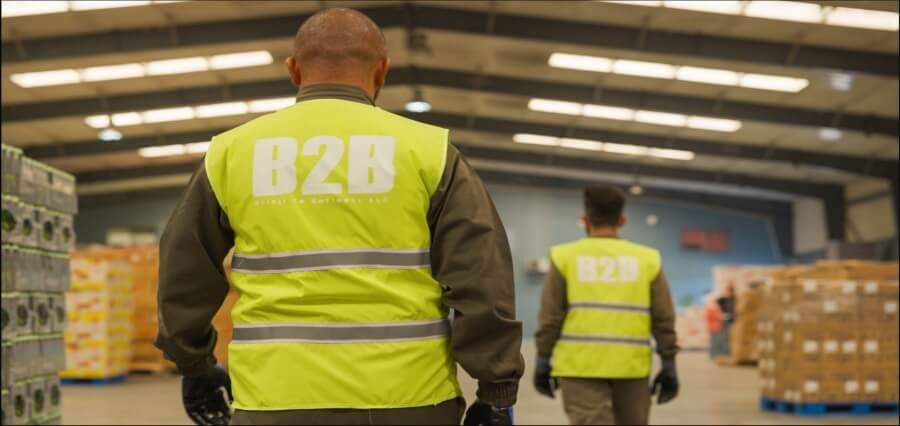
Large-scale operators such as B2B.LLC exemplify how structured distribution ecosystems can support consistent retail execution while enabling brands to scale efficiently across multiple territories.
________________________________________
Selecting Distribution Partners in Emerging Markets
Choosing a distribution partner is a strategic and important decision with long-term consequences. This decision directly affects your brand’s positioning and success in the local market. FMCG product brands should evaluate potential partners based on the following criteria:
- Geographic reach and retail coverage
- Operational scale and logistics capabilities
- Experience with multinational brands
- Transparency and reporting standards
Strong partnerships are built on operational alignment rather than short-term commercial gains.
________________________________________
Conclusion
In emerging markets like Syria, distribution is not just a support function, but a fundamental pillar of fast-moving consumer goods (FMCG) growth strategy. Brands that invest in robust, scalable, and locally based distribution networks, such as those offered by established and market-dominant distributors like Brinji to Business, can build long-term competitiveness and broad market dominance. As emerging economies continue to develop, the role of distributors will become increasingly central to how FMCG brands grow, adapt, and succeed.