




Pilates has grown from a niche fitness method to a global wellness phenomenon because it offers a low-impact, full-body workout that improves strength, flexibility, posture, and body awareness. Whether you’re a beginner looking to try something new or an experienced mover seeking deeper results, choosing the right Pilates studio can make all the difference in your practice. With so many options popping up in cities and communities, it can feel overwhelming to decide where to start.
This guide will walk you through what to look for pilates studios, why it matters, and how to find a studio that supports your goals.
What Is Pilates and Why Choose a Pilates Studio
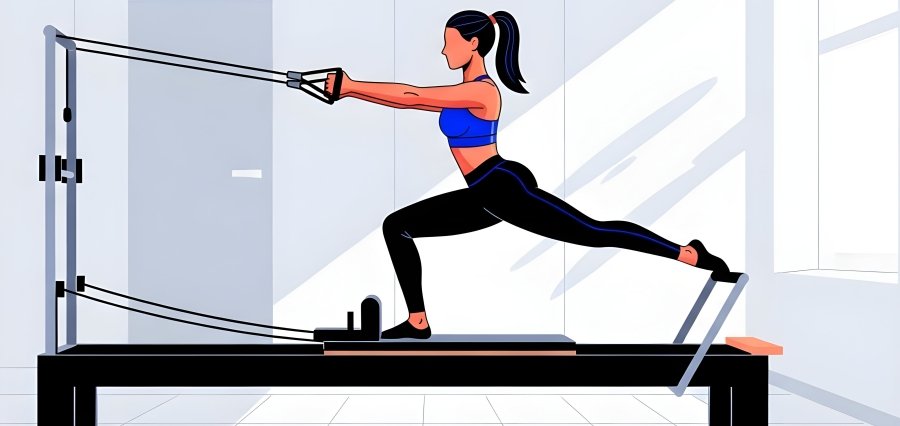
Pilates is a movement system developed by Joseph Pilates that focuses on core strength, controlled movement, and mindful breathing. Unlike some high-intensity gym workouts, Pilates encourages precision, alignment, and longevity of movement. It can benefit people of all ages and fitness levels, from rehabilitation clients recovering from injury to athletes improving performance. A dedicated Pilates studio provides an environment designed specifically for this method, typically featuring certified instructors and specialized equipment like reformers, towers, and stability chairs.
Benefits of Practicing Pilates in a Studio Setting
Personalized Instruction
One of the biggest advantages of attending a Pilates studio is the personalized attention you receive from trained instructors. In a group class, teachers can adjust your form, recommend modifications, and ensure you’re engaging the right muscles. In private sessions, this is taken a step further with tailored programming based on your body, goals, and any physical limitations.
Access to Specialized Equipment
While mat Pilates is excellent and accessible, many studios offer apparatus-based classes. Equipment like reformers and Cadillac towers add resistance, support, and variety to your workouts. These tools allow for greater challenge and progression, helping you deepen your practice safely and effectively.
Community and Motivation
Joining a Pilates studio means becoming part of a community of people who share your interest in mindful movement. This sense of belonging can boost motivation, make classes more enjoyable, and even lead to lasting friendships. For many people, this supportive environment is one of the most rewarding aspects of studio membership.
How to Choose the Right Pilates Studio
Consider Your Goals
Before signing up, think about what you want to achieve. Are you looking to increase flexibility, improve posture, recover from an injury, or complement another sport? Some studios cater to specific populations (e.g., beginners, prenatal clients, athletes) and offer classes aligned with those goals. Choose a studio whose programs match your intentions.
Check Instructor Qualifications
Not all Pilates classes are created equal. Look for instructors who are certified through reputable organizations and who have experience teaching a variety of clients. A knowledgeable teacher can help prevent injury, challenge you appropriately, and adapt exercises based on your needs.
Visit the Studio in Person
If possible, schedule a visit or trial class before committing. Pay attention to the vibe of the space, the cleanliness of the facilities, the energy of the instructors, and how welcomed you feel. Trust your instincts—comfortable and welcoming studios tend to support better long-term engagement.
Variety of Class Formats
Many studios offer multiple class styles, such as beginner mat classes, reformer sessions, barre fusion, or small group privates. A schedule with variety can keep your workouts fresh and help you progress more holistically. Ask about class sizes, as smaller groups often mean more attention from the instructor.
Pricing and Membership Options
Studio pricing can vary widely, so consider what works best for your budget. Some offer class packs, monthly memberships, or packages that mix private and group sessions. Make sure you understand cancellation policies, expiration dates on class credits, and any additional fees.
What to Expect in Your First Class
Your first Pilates class might feel unfamiliar, especially if you’re new to the method. Expect an emphasis on controlled, mindful movement rather than high-speed repetition. Instructors will likely guide you through fundamental principles: breathing patterns, alignment cues, and core engagement. Don’t worry about being “perfect”; Pilates is about progress, not perfection. Focus on how your body feels, ask questions, and take your time learning the basics.
Frequently Asked Questions About Pilates Studios
Do I Need to Be Flexible to Do Pilates?
Absolutely not. One of the benefits of Pilates is that it helps improve flexibility over time. Everyone starts somewhere, and instructors are trained to offer modifications for all levels.
Is Pilates Good for Weight Loss?
Pilates can contribute to weight loss, especially when combined with a balanced diet and other physical activities. It’s particularly effective for building muscle tone, improving posture, and supporting long-term fitness habits.
Can Beginners Join Any Class?
Many studios offer beginner-friendly classes or introductory packages. If a class seems advanced, ask the studio for recommendations based on your level and goals.
Conclusion: Finding Your Pilates Fit
Choosing the right Pilates studio is about more than location or price—it’s about finding a space where you feel supported, challenged, and inspired to move. Consider your goals, assess studio offerings, try classes, and don’t be afraid to ask questions. With the right environment and guidance, Pilates can become a transformative part of your fitness journey. Trust the process, enjoy each session, and celebrate your progress along the way.