



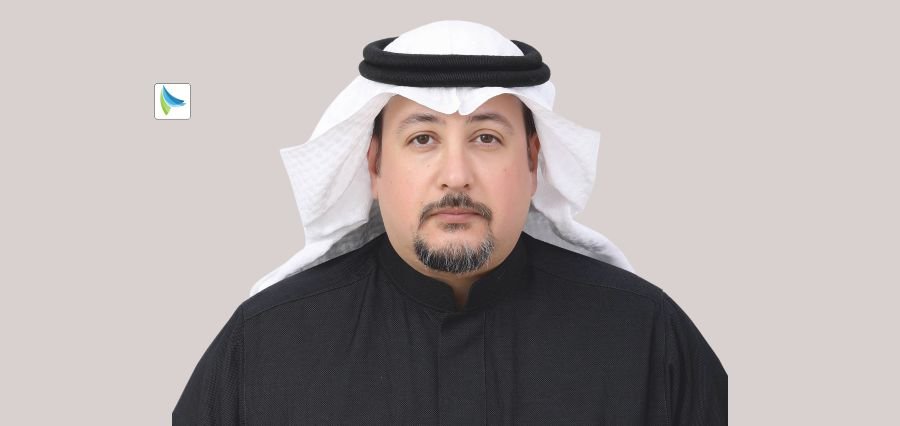
The journey of leadership of Khalid Adil Al Manaseer was mainly accompanied by pressure rather than comfort. Armed with a unique combination of academic credentials- a BS in Systems Engineering (Industrial) and an MS in Construction Engineering and Management, he has built a career bridging two demanding sectors that rarely converge in a single professional trajectory. His long exposure and direct relevance to both manufacturing (industrial) and construction industries have shaped a distinctive leadership perspective, one grounded in the rigorous methodologies of systems thinking and the practical realities of large-scale project execution. He has continuously moved into places where there was operational strain, poor morale, and urgent performance demands; such situations were nothing less than a test to both systems and people. The ordeal helped him to develop a leadership style characterized by firmness, clarity, and trust, where the rebuilding of confidence became as important as the restoration of efficiency.
Now as the General Manager of Saudi Metal Coating Company (SAMCO), he applies this hard-earned perspective, enriched by his cumulative knowledge spanning industrial engineering systems and construction management, to a sector that is marked by exactness, capital intensity, and market volatility. His dual expertise positions him uniquely in the coating and steel-related manufacturing sector, where understanding both the precision of industrial processes and the complexities of construction project demands creates a competitive advantage. He is a kind of fearless tight-rope walker: deep operational rigour is his left hand, and long-term strategic thinking is his right one. He does not chase short-term fixes but concentrates on laying resilient systems, forming aligned teams, and introducing performance cultures that can be measured and that will outlast the immediate challenges.
He is known for his transparent, data-driven approach and steady presence during complex transitions and continues to lead with a belief that people’s empowerment, disciplined execution, and a clear sense of purpose are the main factors that drive sustainable industrial success. His unique educational foundation, combining systems engineering principles with construction management expertise, enables him to see connections others might miss, applying lessons from mega-project execution to daily manufacturing operations and bringing industrial efficiency frameworks to construction-related challenges.
The Crucible of Transformation
Al-Manaseer’s defining moments arrived not during periods of prosperity, but in the trenches of operational decline. Leading organizations through uncertainty, cost pressures, and low morale became the proving ground where his leadership approach crystallized. These weren’t theoretical exercises in management; they were real-world scenarios where plants struggled with operational inefficiencies and teams grappled with diminished confidence.
“Leadership is most tested in difficult environments,” he reflects, and his track record validates this conviction. Independent internal evaluations later confirmed the impact of his approach, with over 80% of employees reporting greater trust, improved performance, and stronger guidance under his leadership. These weren’t numbers manufactured for presentation decks, they represented genuine transformation in how teams functioned and how individuals viewed their roles within struggling organizations.
The experience taught him lessons that textbooks rarely capture. Turning around underperforming plants requires more than implementing new systems or restructuring org charts. It demanded building belief in teams that had lost confidence, establishing clarity where confusion reigned, and maintaining consistency when quick fixes tempted at every turn. From these challenging assignments emerged a leadership approach rooted in transparency, performance accountability, and continuous improvement—principles that would define his subsequent career trajectory.
Mastering the Balance Between Now and Next
At SAMCO, Al-Manaseer faces a challenge familiar to industrial leaders: maintaining operational discipline while ensuring strategic direction. “The coating and steel-related manufacturing sector demands both precision in daily execution and foresight in planning. Its capital-intensive nature and sensitivity to external market forces create an environment where short-term missteps can undermine long-term positioning,” he says.
His solution lies in integration rather than alternation. His team focuses daily on reliability, cost control, and consistent coating quality, the fundamentals that keep operations running smoothly. Simultaneously, they develop new capabilities, assess market opportunities, and invest in processes that strengthen long-term competitiveness. This balanced approach has enabled SAMCO to improve stability while building foundations for sustainable growth in an increasingly competitive environment.
The strategy acknowledges a fundamental truth about industrial manufacturing: operational excellence and strategic growth aren’t competing priorities but complementary imperatives. Structured processes, consistent KPIs, and data visibility across production, quality, and delivery performance create the operational excellence that enables strategic investments. Meanwhile, long-term strategic planning ensures that daily operational decisions align with broader competitive positioning.
Building Systems That Sustain Performance
Under Al-Manaseer’s leadership, operational excellence at SAMCO has evolved from aspiration to systematic reality. He has established clear KPIs tracking production throughput, coating quality, downtime, scrap rates, and on time delivery. These metrics aren’t merely recorded; they drive daily and weekly performance reviews supported by dashboards and visual management tools that make performance transparent across the organization.
The approach extends beyond measurement. Structured problem-solving processes rely on data rather than assumptions, ensuring that solutions address root causes rather than symptoms. Alignment between procurement, operations, quality control, and sales reduces friction and delays that plague many industrial operations. Leadership routines reinforce accountability and sustain improvements beyond initial implementation.
The results speak clearly. Planning accuracy has improved, scrap rates have declined, utilization has increased, and performance consistency has elevated across operations. Employee feedback reinforces these operational gains more than 80% reported improvements in clarity, knowledge, and performance under these practices. The systems Al Manaseer has built don’t just improve numbers; they develop people.
Aligning Teams Toward Common Purpose
In organizations where multiple functions interact under tight schedules and demanding market expectations, alignment becomes essential rather than optional. Al Manaseer ensures strategic alignment through cascading company goals into departmental objectives, aligning KPIs with business priorities, and conducting integrated planning meetings that synchronize procurement, production, and commercial delivery.
Regular leadership check-ins and transparent communication maintain alignment even during challenging periods. The internal leadership evaluation confirmed this approach’s effectiveness, with the majority of team members expressing trust in decisions and clarity in direction. “This alignment doesn’t emerge from motivational speeches or vision statements alone, it requires systematic effort to ensure that every functional area understands how their work contributes to broader organizational success,” he says.
Preparing for Cycles and Embracing Digital Evolution
“The coating and steel-related manufacturing sector responds strongly to mega-project cycles, construction demand, and macroeconomic trends,” says Al-Manaseer. He prepares operations for these cycles through operational flexibility and strategic foresight. His team maintains lean operations, diversifies customer segments, optimizes costs, and develops production plans that are scaled based on market needs.
They closely monitor project pipelines, government spending, and procurement behavior to forecast demand shifts early. This vigilance allows SAMCO to remain resilient during downturns and responsive during expansion periods, a critical capability in cyclical industries where timing often determines success.
Simultaneously, he has embraced digitalization as a tool for operational enhancement. Improved tracking systems, digital dashboards, automated reporting, and selective process automation have enhanced productivity, reduced human error, and improved responsiveness in decision making. Technology enables the consistent quality and operational transparency that today’s environment demands. While acknowledging that digital transformation remains a continuous journey, he points to measurable gains in planning accuracy and operational control as evidence of progress.
Developing Talent in Specialized Sectors
“Industrial sectors require specialized skills that markets don’t readily provide. At SAMCO, I have made talent development a strategic priority. The company invests in training, mentorship, and cross-functional exposure. Employees take active roles in problem-solving and decision-making, strengthening both technical capability and driving engagement,” says Al-Manaseer.
Survey results revealed that more than 80% of employees believe their skills improved under his leadership. This investment in people represents more than human resource management, it constitutes investment in the company’s long-term capability. In niche industrial sectors where specialized knowledge creates competitive advantage, developing internal talent becomes essential to sustained success.
Risk, Compliance, and the Foundation of Growth
Al-Manaseer has fully integrated risk management into SAMCO’s operational processes. The company adheres to ASTM, CRSI, EIG, SASO, also leading organizations such as ARAMCO, SABIC, and Royal Commission guidelines where applicable. Structured audits, preventive maintenance routines, and safety programs reinforce ownership at all levels of the organization.
His approach recognizes a fundamental tension: managing risk while maintaining agility requires balancing compliance discipline with operational flexibility. The solution lies not in choosing one over the other but in ensuring that safety and reliability form the foundation upon which growth and innovation can occur.
Leadership Principles That Guide Action
Al-Manaseer’s decision-making follows four core principles: integrity, clarity, accountability, and resilience. He leads with transparency, relies on data, and maintains calm focus during high-stakes moments. These principles have created a stable and trusted environment at SAMCO, enabling the organization to navigate challenges and pursue continuous improvement with confidence.
His advice to emerging leaders emphasizes fundamentals: master operations deeply, build strong teams, and learn continuously. “Leadership is not about authority. It is about influence, consistency, and enabling others to perform at their best,” he insists.
The industrial sector, he notes, rewards those who combine discipline with innovation and who lead with both structure and empathy. Great leaders lift people, strengthen processes, and leave organizations better than they found them.
The Road Ahead
Al-Manaseer recognizes that customer expectations continue to evolve. Today’s customers demand precision, quality, reliability, and accountability. Sustainability has emerged as an essential requirement, and operational decisions increasingly reflect resource efficiency and responsible practices.
“SAMCO aims to evolve alongside the market, through stronger systems, improved capability, and customer centered operations,” he says. The approach that has driven transformation over two decades continues to guide the organization forward combine strategic vision with operational discipline, empower people to solve problems, and maintain unwavering commitment to excellence even when challenges mount.
In an industrial landscape increasingly defined by complexity and competition, Khalid Adil Al-Manaseer demonstrates that sustainable success emerges not from choosing between operational excellence and strategic growth, but from pursuing both with equal rigor and genuine commitment to the people who make transformation possible.