



Security upgrades usually start after something feels off. A gate left ajar. Foot traffic is cutting through where it shouldn’t. Equipment moved slightly out of place. Property owners want protection, but they don’t want the space to feel tense or boxed in. The goal is not to build a barrier that dominates the yard. It is to create boundaries that work quietly and consistently.
Experienced commercial fence planning begins with understanding how people already move through the space. Where do they enter naturally? Where do they hesitate? Where do they linger? Security improves fastest when design follows behavior instead of fighting it.
Boundaries Work Best When They Feel Expected
People respect limits more often than they test them. A fence does not need to feel aggressive to be effective. When boundaries align with how a yard is laid out, they feel natural. Paths end where they should. Access points appear intentional. Confusion disappears.
This is why subtle fencing often performs better than tall, solid walls. Clear edges send a signal without creating resistance. Most security issues fade once movement patterns are clarified.
Openness Can Still Communicate Control
Blocking every view rarely improves safety. In many cases, it does the opposite. When sightlines disappear, hiding spots appear. Areas feel uncertain instead of monitored.
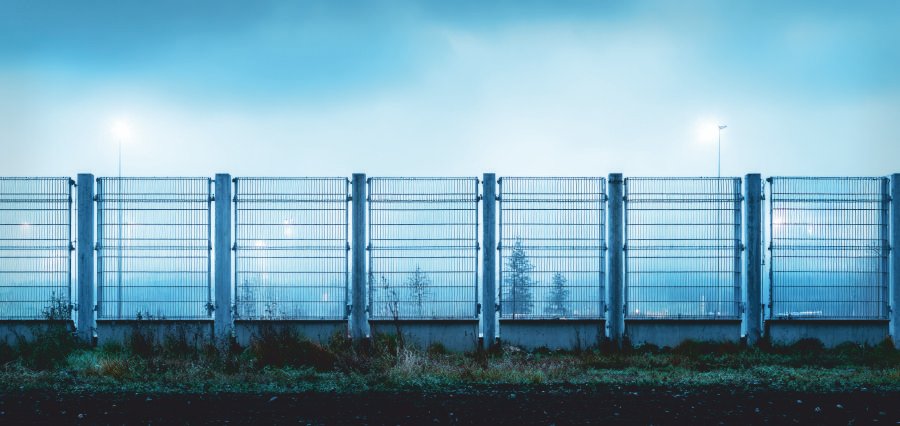
Fencing systems that allow visibility discourage unwanted behavior simply by removing cover. Steel pickets, cable systems, and modern mesh designs hold their shape while keeping the yard visually open. These options feel lighter, yet they still resist climbing and forced entry.
The space remains readable from multiple angles, which increases awareness without adding pressure.
Layout Shapes Emotion More Than Height
How a fence sits on the property matters more than how tall it is. Long, rigid runs can feel confining even at modest heights. Breaking those lines would change perceptions immediately.
Adjusting alignment around corners and planting zones softens the structure. Layered zones guide movement. A yard with rhythm feels more intentional.
Commercial properties use fencing to suggest direction. Where to walk. Where to pause. Where not to cross. That guidance reduces the need for heavy construction.
Gates Set the Tone
Most security weaknesses appear at gates. A poorly placed gate creates confusion. A gate that is too prominent draws attention. One that blends into the fence feels calm.
Well-designed gates align with natural entry points. They open smoothly and close securely without drama. Automation can add control, but only when hardware stays subtle. When technology fades into the background, the yard keeps its character.
Material Choice Changes the Atmosphere
Every fencing material carries a visual weight. Solid wood can feel welcoming in small sections, but heavy when stretched too far. Meanwhile, steel offers strength but needs spacing to avoid feeling harsh. Composite panels balance consistency with durability.
Selecting the right fencing solutions in Georgia often means considering how materials respond to heat, moisture, and seasonal shifts. Materials that weather evenly age better. A fence that looks stable over time feels less imposing because it belongs.
Landscaping Is Part of the Security Plan
Fences should not stand alone. Plants soften edges and help guide movement when placed thoughtfully. Low plantings preserve visibility. Taller greenery reinforces boundaries without blocking sightlines.
Poor landscaping creates blind corners and maintenance problems. Thoughtful planting supports security by keeping edges clean and readable. When fence and landscape work together, the yard feels composed instead of divided.
Lighting Should Support, Not Overwhelm
Lighting completes the system quietly. Bright floodlights flatten the space and create glare. Lower, warmer lighting placed near gates and transitions offers clarity.
Well-placed lighting extends the yard’s usability into the evening. It also reinforces boundaries after dark. With it, security becomes part of the environment.
Here are principles that guide balanced fence design:
- Define access points clearly
- Preserve natural sightlines
- Break long fence runs visually
- Choose materials that age gracefully
- Coordinate fencing with planting and lighting
Regulations Shape Smarter Designs
Local codes influence placement and materials. Designs that respect these limits feel cleaner and more deliberate. On the other hand, fighting regulations only leads to bulky solutions and delays.
Installers who are familiar with local expectations build fences that pass inspection without compromise. The result is a system that looks planned rather than reactive.
The Best Security Feels Invisible
When fencing works well, people stop noticing it. The yard feels open, and movement feels guided. Boundaries feel obvious without being loud. Security does its job quietly.
That balance is not accidental. It comes from understanding behavior, materials, and layout together. With protection, the yard stays usable and secure. All these without ever feeling closed off.