
Do you ever feel down, lethargic, or just not quite yourself when the days start to get shorter in winter? If so, you’re not alone. Seasonal affective disorder, aptly shortened to SAD, is a real and common ailment that strikes during these colder, darker months.
For many, it’s also important to consider what happens when these symptoms coincide with your regular menstrual cycle. This article sheds light on the unique intersection of SAD and menstrual cycles, providing you with insights and helpful advice on managing both, from incorporating FLO PMS vitamin capsules into your routine to making mindful lifestyle changes.
Mistakes to Avoid on Intercity House Relocations
Seasonal affective disorder is a form of depression that typically develops during the darker, colder months. As the days get shorter and daylight becomes scarce, many people, especially women, may start experiencing symptoms of SAD. It’s characterized by mood swings, low energy, hypersomnia, overeating, weight gain, and a craving for carbohydrates.
According to the American Psychiatric Association, about 5% of adults in the United States experience SAD, and it typically lasts about 40% of the year. It is more common in people who live far north or south of the equator, where light variation is greater.
Women are four times more likely to be diagnosed with SAD compared to men. This is where the connection with menstrual cycles comes into play.
Can Seasonal Affective Disorder Affect Your Menstrual Cycle?
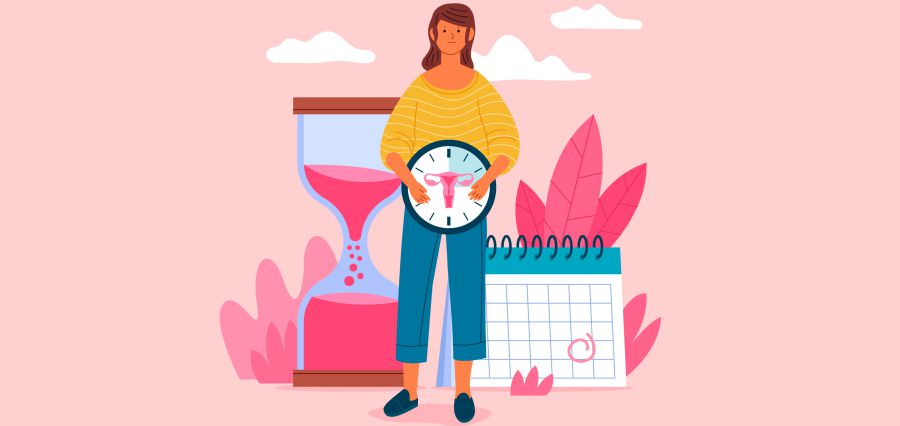
A woman’s menstrual cycle is a hormone-driven cycle; day one is marked by the first day of bleeding, and the entire process usually lasts between 25 to 30 days. The menstrual cycle consists of two main phases: follicular and luteal.
The follicular phase starts on the first day of the menstrual cycle, and ovulation occurs around the middle of the cycle. The luteal phase occurs post-ovulation and includes the latter part of the menstrual cycle. Symptoms such as mood swings, bloating, fatigue, and breast tenderness often accompany this hormonal process and can vary in severity from one woman to the next.
Now, what happens when you mix SAD symptoms with those of an approaching menstrual period? You’re left with a combination of hormonal changes that can exacerbate each other.
The hormonal changes during the menstrual cycle, primarily the drop in levels of estrogen and progesterone, can contribute to premenstrual syndrome (PMS) symptoms. So, if you’re already feeling flat due to SAD, PMS can seem even more intense.
On top of this, biochemical changes in the brain due to SAD might contribute to PMS-related mood swings, tension, and irritability. This dovetailing of SAD and menstrual cycles can create heightened emotional and physical discomfort, making it potentially harder to cope.
Recognizing the interaction between the two is a crucial step toward managing these symptoms.
Does Nutrition Affect My Symptoms?
Getting through amplified seasonal and menstrual symptoms can be intimidating, but your diet can make it easier.
Certain nutrients, such as B vitamins, lemon balm, iron, chasteberry, and Omega-3 fatty acids, can help manage energy levels, mood swings, and overall wellness — factors that are directly related to SAD and menstrual health.
However, obtaining these nutrients from the diet alone during the winter months, when fresh produce is limited, can be challenging. Period vitamins and other women’s supplements can be beneficial during these times, with active ingredients that help you manage your period symptoms and reduce the impact of SAD.
Additional Tips To Manage SAD and Menstrual Cycle Symptoms
In addition to diet, there are other ways to manage SAD and menstrual cycle symptoms. Light therapy, a common treatment for SAD, involves exposure to bright light within the first hour of waking up to help reset your biological clock.
Regular exercise, which releases endorphins, can help to improve mood and energy levels and manage PMS symptoms. Lastly, maintaining a consistent sleep schedule can help regulate your body’s internal clock and support hormone regulation, which is beneficial for both SAD management and a smoother menstrual cycle.
Take Charge of Your Mood This Winter!
Understanding the interplay between SAD and the menstrual cycle offers new paths to managing your wellness during the challenging winter months. Following a regular exercise routine, maintaining a consistent sleep schedule, and adding light therapy to your routine can all contribute to coping effectively with these overlapping conditions.
However, these suggestions are by no means the only solution. Each individual’s experience is unique, and if symptoms persist or worsen, it may be time to seek professional medical advice. Remember, taking care of your mind and body is a journey, not a destination.