


High-growth brands rarely rely on instinct alone to guide their market presence. Their decisions are shaped by patterns, signals, and insights drawn from how industries move and which platforms attract the right mix of buyers, partners, and competitors. Among these platforms, industry events hold a unique position.
Events act as meeting points for innovation, influence, and opportunity. Therefore, a Forbes article states that they should be part of a business’s growth strategy. They foster strong connections, build brand visibility and authority, and help gather data to generate insights. This makes them powerful tools for brands that want to sharpen their market identity rather than simply maintain visibility.
Event intelligence, when approached with intention, becomes a strategic asset. It allows companies to move beyond surface-level participation and turn each appearance into a data-rich experience.
Understanding Event Intelligence as a Strategic Asset
Event intelligence refers to the structured process of gathering, analyzing, and applying insights related to industry exhibitions, conferences, and trade shows. It leverages analytics, primarily AI-based, to deliver unified insights across platforms and departments.
It brings together event correlation, topology mapping, pattern recognition, and automated remediation to provide unified visibility and incident management across diverse systems and tools. This enables organizations to detect and resolve cascading faults more efficiently by consolidating data from multiple monitoring sources and applying AI-driven analysis.
Instead of viewing events as isolated marketing moments, high-growth brands treat them as part of a continuous feedback loop. This approach reshapes how leadership teams evaluate success. The goal is no longer limited to leads collected or meetings booked.
It expands to include how the brand is perceived within the broader industry narrative, which conversations it is associated with, and how often it appears in strategic discussions among peers and partners.
What internal skills or roles are needed to manage event intelligence effectively?
Managing event intelligence often benefits from a cross-functional approach that includes marketing analysts, sales leadership, and operations or strategy team members. While advanced data science skills can be helpful, the most important capability is the ability to interpret patterns and translate them into practical business actions. Strong communication between teams ensures insights are not isolated within one department.
Choosing the Right Events for Market Impact
There are many worldwide events scheduled every week. For instance, Growth Elevated, Fortune Global Forum, Startup Grind Global Conference, Web Summit, TechBBQ, etc., are some events every entrepreneur should attend. The same goes for SaaStr Annual, Collision Conference, and Money 20/20. However, as a company, it is essential to determine which of them is the right fit for you.
Selecting the right events is one of the first points where intelligence makes a measurable difference. High-growth brands study past exhibitor lists, keynote themes, and media coverage to understand the type of influence each event carries within the sector.
For example, Las Vegas businesses faced a challenging year in 2025, as tourism declined. However, they are optimistic about 2026. Some businesses were already planning to leverage the First Friday festival at the Art District. However, it might not be the right event for all companies. Brands should do research to find which ones they should be in.
During this research phase, many teams rely on centralized resources that track major industry gatherings across different regions and sectors. A comprehensive resource like a Las Vegas trade show calendar can give basic details of every event.
According to Step And Repeat Las Vegas, choosing the event to be at beforehand allows time for proper planning. Businesses can plan booth graphics, trade show displays, and backdrops in advance.
How can brands evaluate the long-term relevance of an event that is new or rapidly growing?
For newer or expanding events, brands can assess long-term potential by examining the quality of sponsors, the background of speakers, and the industries represented among early exhibitors. Reviewing the event’s media partnerships and post-event content can also indicate whether it is building thought leadership or simply attracting attendance.
Turning On-Site Presence into Market Insight
Once at the event, high-growth brands move with a different mindset. Every conversation becomes a source of information. Sales teams listen for repeated challenges mentioned by prospects. Product managers observe which features attract attention at competitor booths. Executives note which themes dominate panel discussions and informal networking spaces.
This flow of qualitative insights often reveals market gaps that formal research misses. It can highlight emerging needs, shifting expectations, or new language that customers use to describe their problems.
A study shows that organizations can use data analytics and customer insights to strengthen their market positioning. Its findings reveal that applying analytical tools to understand consumer behavior, preferences, and emerging trends gives businesses clearer, actionable direction. This allows them to refine products, services, and marketing strategies to better match local market needs and build a stronger competitive advantage.
Measuring Influence Beyond Immediate Returns
Post-event analysis is where intelligence turns into long-term strategy. Instead of limiting evaluation to lead counts or short-term revenue, high-growth brands look at broader indicators. They track changes in website traffic from event-related sources, growth in inbound partnership inquiries, and shifts in how often the brand appears in industry conversations.
This broader view helps leadership teams understand how each event contributes to market perception. Over time, patterns emerge that show which platforms consistently elevate the brand’s status and which ones offer limited strategic value. These insights inform future investment decisions, making event participation more focused and more impactful.
Another layer of measurement involves tracking how event participation shapes long-term relationships rather than short-term transactions. Brands often monitor the progression of contacts made at events over months or even years, noting which interactions evolve into strategic alliances, joint ventures, or repeat collaborations.
Strengthening Brand Narrative Through Storytelling
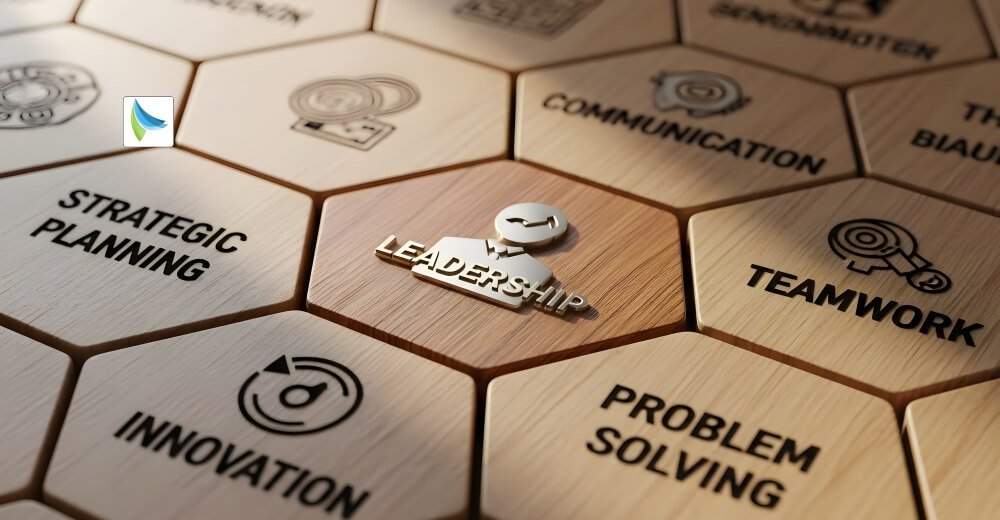
Storytelling has long helped people understand and organize their experiences. In today’s period of rapid technological and social change, it plays an even stronger role in capturing and sustaining audience attention. Storytelling extends beyond creativity into the sphere of leadership, where emerging technologies give leaders new ways to craft deeper, more engaging narratives.
There are many ways to shape narrative and increase brand visibility. However, event intelligence offers an ideal way to do both. High-growth brands focus on shaping a narrative that positions them as contributors to industry progress rather than passive participants. This can involve speaking engagements, collaborative sessions, or partnerships with event organizers and media outlets.
When leaders share perspectives on future trends or operational challenges, they associate their brand with forward-thinking leadership. This association often extends beyond the event itself, carried through articles, interviews, and social media coverage. The result is a presence that feels continuous rather than tied to a single moment on the exhibition floor.
How can brands maintain a consistent narrative across multiple events throughout the year?
Maintaining consistency often starts with a central messaging framework that defines the brand’s core themes, values, and future outlook. Teams attending different events can adapt this framework to local audiences while preserving the main narrative. Regular internal briefings before and after events help ensure that updates and refinements remain aligned with the broader brand direction.
High-growth brands treat events as more than calendar entries. They view them as living sources of insight that shape how they are seen, heard, and remembered within their industries. Through careful selection, active engagement, and thoughtful analysis, event intelligence becomes a bridge between short-term exposure and long-term market authority.
As competition intensifies and industries evolve, the brands that rise above are often those that listen closely to the signals around them. By turning each event into a strategic learning opportunity, they strengthen their market positioning in ways that extend far beyond the exhibition floor.