



In the demanding narrative of global enterprise, true trailblazers are not those who merely accumulate wealth, but those who strategically invest their vision into solving society’s most profound challenges. For hundreds of millions across the continent, the real crisis is not disease but unequal access to quality healthcare.
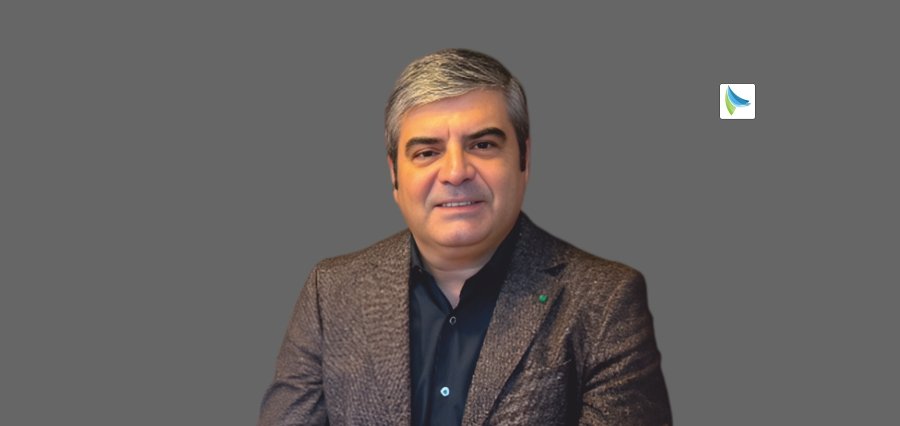
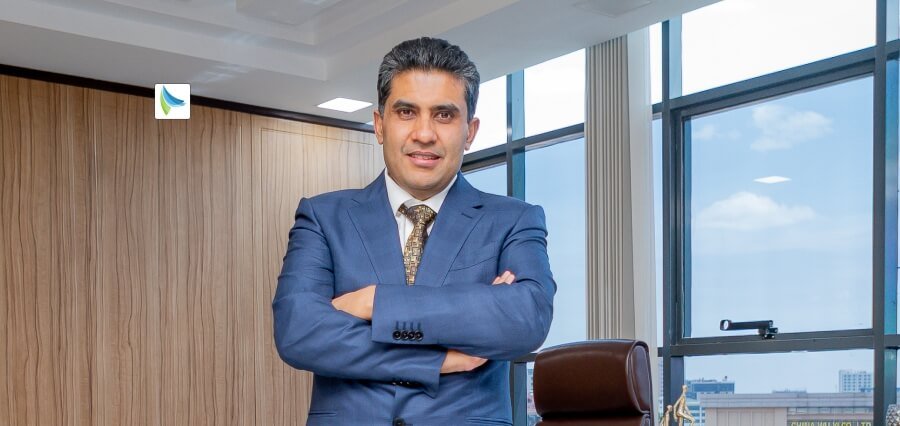
A silent crisis that touches millions of lives. Stepping into this vacuum, not as an observer but as a primary architect of change, is Jayesh Saini, Chairman of Bliss Healthcare, Lifecare Hospitals, Dinlas Pharma, and Fertility Point Kenya.
He arrived on the African healthcare landscape with a profound recognition: world-class medical attention was often a luxury, confined to capital cities or reserved for the privileged few. Mr. Saini rejects this binary. He took a single compelling belief: “health is a human right, not a commodity,” and built a sprawling, vertically integrated medical ecosystem aimed at breaking down barriers of cost and distance.
Mr. Saini’s journey is the quintessential story of a visionary leader creating an impact by integrating the supply chain. From Dinlas Pharma (ensuring affordable, quality medicine access) to Bliss Healthcare (building one of East Africa’s largest networks of outpatient clinics), and culminating in the critical care and surgical capabilities of Lifecare Hospitals, he has meticulously engineered a solution. What is described here isn’t philanthropy; it’s a disruptive strategy through scale and efficiency to simply deliver medical excellence directly to the underserved, often in remote, rural settings.
His work demonstrates a commitment to health across a range of services, from specialized services delivered through Fertility Point Kenya to establishing an additional vertical, Care24/7. Mr. Saini has been recognized as the “Visionary of Tomorrow” on both a local and African continental level because he understood that, in addition to building hospitals, a more purpose-driven passion was required.
Not only has he established such a compassionate and care-giving ecosystem, but he has also built a strong and reliable bridge to a healthier future for millions in Africa – an unprecedented contribution of access, affordability, and quality on the continent.
The Compass of Access: Decentralizing Quality
Mr. Saini’s entire journey has been guided by a single compass: the vision to make healthcare accessible and affordable. He recognized early that the problem wasn’t a lack of medical quality in Africa, but its severe concentration in major cities, rendering it unattainable for middle and lower-income families. His goal was to reverse that equation, ensuring that access became the primary metric of success.
“The goal wasn’t just to build hospitals; it was to build access.” This commitment drove the decentralization strategy: establishing outpatient centers closer to communities, supported by regional hospitals for complex treatments. This model is underpinned by a profound belief: “a patient in Kisumu or Kakamega deserves the same level of care as
someone in Nairobi.” Affordability was achieved naturally through scale, local empowerment via regionally sourced talent, and reducing import dependency. This approach proved that accessibility and quality can coexist when healthcare is built around people, not profits.
An Ecosystem of Care: Four Pillars of Health
*The Lifecare Group, under Mr. Saini’s direction, is a vertically integrated ecosystem where each entity plays a distinct yet interconnected role in delivering comprehensive health solutions.
*Bliss Healthcare is the community gateway, offering primary and outpatient care across 40 counties through 54 medical centers, powered by 1,100-plus healthcare professionals and serving over 100,000 patients every month.
*Lifecare Hospitals provides advanced multispecialty care and surgical excellence, supported by 7 hospitals and expanding, 250,000 plus patients served, 700 plus beds, and more than 45,000 successful surgeries.
*Dinlas Pharma strengthens the system internally by ensuring a steady supply of affordable, high-quality, locally manufactured medicines.
*Fertility Point Kenya blends European expertise with compassionate local care, completing 5,000 plus IVF cycles, achieving over 3,000 successful pregnancies, maintaining a 65 percent success rate, and supporting 7,000 plus clients
*The Lifecare Foundation focuses on expanding health access, fighting poverty, and promoting education for all, ensuring that community upliftment remains central to the Group’s mission.
Together, these four pillars, prevention, treatment, medicine supply, and specialized hope form a self-sustaining ecosystem unified by the mission of accessible, affordable, and quality healthcare.
Innovation Driven by Empathy: Reaching the Underserved
Bliss Healthcare, renowned for creating Kenya’s largest outpatient network, was founded on a simple, yet powerful idea: if patients can’t reach quality care, then quality care must reach them. This belief inspired meaningful, disruptive innovations.
Telemedicine emerged as a game-changer, especially in rural and semi-urban areas, allowing patients to consult specialists remotely, drastically cutting travel time and costs. Equally transformative is the ‘Dawa Nyumbani’ home care program, which ensures patients receive prescribed medicines and basic services right at their doorstep, a crucial lifeline for those with chronic conditions or mobility issues.
Mr. Saini explains that the goal was never to use technology simply because it existed. “Our innovations were guided by empathy, not machinery. Every step was created to make healthcare more human, more accessible, and more dependable for everyone.”
Strategic Intent: Building Hospitals Where Need is Greatest
When establishing the seven multispecialty Lifecare Hospitals, Mr. Saini’s strategy transcended mere geographical expansion; it was driven by need.
The Group rigorously studied patient referral patterns, regional disease burdens, and existing healthcare gaps to determine where their presence would yield the greatest impact.
For communities in counties like Meru, Bungoma, and Migori, which had large populations but limited access to secondary or tertiary care, establishing local hospitals meant patients no longer faced the burden of traveling hundreds of kilometers to Nairobi.
“Every location was chosen with the intent to strengthen local healthcare infrastructure, create employment, and ensure that quality care is no longer a privilege of urban centers but a right enjoyed by every community.”
This strategic placement, anchoring facilities in underserved areas while focusing on logistics, local employment, and partnerships, is the powerful mechanism behind the Group’s decentralized model.
Dinlas Pharma: Fortifying African Self-Reliance
The creation of Dinlas Pharma was a direct, proactive response to a critical vulnerability exposed during the pandemic: Africa’s over-reliance on imported essential medicines.
Mr. Saini recognized that when global supply chains stalled, local patients suffered, making self-reliance an imperative. By investing in a modern manufacturing facility within Nairobi’s Export Processing Zone (EPZ), Dinlas Pharma is producing a wide range of affordable, high-quality drugs locally. This endeavor does more than reduce import costs; it ensures continuity of care for hospitals, clinics, and pharmacies.
The company’s focus on meeting international standards, including pursuing EU GMP certification, prepares it for regional exports and global recognition. But the ultimate impact of Dinlas is profound:
“Dinlas Pharma is a commitment to self-reliance. It equips Africa to produce its own medicines, build jobs locally, and strengthen the healthcare value chain from the inside out.”
Fertility Point Kenya: Restoring Hope and Dignity
Mr. Saini’s motivation to establish Fertility Point Kenya stemmed from the emotional and financial toll faced by East African couples forced to seek expensive treatment abroad. He was moved by the desire to bring world-class reproductive medicine closer to home.
The venture achieved this through a crucial affiliation with one of Europe’s leading fertility providers, granting access to global expertise and advanced technology. The challenge, however, was maintaining international standards while making it locally accessible and affordable for middle-income families.
“The success of Fertility Point Kenya isn’t only measured in clinical outcomes, it’s in the joy and dignity we restore to couples who once thought parenthood was beyond their reach.”
By focusing on patient education, emotional support, and transparent, localized care, Mr. Saini successfully addressed a neglected medical need, transforming the landscape of reproductive health in the region.
Turning Barriers into Bridges: Navigating Regulatory Diversity
Mr. Saini acknowledges that his expansion across Central and East Africa was a continuous lesson in adapting to diverse regulatory frameworks and market realities.
“Navigating that diversity has been both the biggest challenge and the greatest teacher.”
His primary focus was ensuring consistent standards of care across all facilities, even where infrastructure or policy differed. This was addressed by significant investment in training, digital integration, and rigorous internal quality audits, guaranteeing that every facility, whether in a major city or a remote town, delivered the same level of accountability.
Crucially, his long-term success was anchored in community engagement.
“By building trust with local leaders, regulators, and medical associations, we became partners in healthcare delivery rather than just providers. That collaborative mindset turned barriers into bridges.”
This strategic collaboration ensured sustainable, accepted growth across borders.
The Lifecare Foundation: Formalizing Compassion
The establishment of the Lifecare Foundation in 2022 formalized Mr. Saini’s long-standing belief that “business success means little if it doesn’t uplift the communities around it.” The Foundation focuses on health, education, and poverty alleviation, deliberately integrating its mission into the Group’s daily operations.
For Mr. Saini, initiatives like sponsoring critical surgeries and conducting free health camps are not mere charity; they are a core responsibility to close the access gap.
“By reinvesting a portion of our group’s resources into community welfare, we create a circle of sustainability, where compassion fuels growth, and growth enables deeper compassion.”
This strategic philanthropy ultimately strengthens public health outcomes, ensuring the business and the community grow in tandem.
The Digitally Enabled Future: Extending the Human Touch
As a pioneer in African healthcare, Mr. Saini has a clear perspective on technology’s role. He believes technology is not meant to replace the human element, but to “extend it.”
In a continent defined by resource and distance constraints, tools like AI, telemedicine, and mobile health apps are vital for bridging long-standing gaps. The Lifecare Group utilizes AI-driven diagnostics for early detection and uses telemedicine to connect rural patients with specialists, significantly reducing wait times and travel burdens.
“The future of healthcare in Africa will be human-centered but digitally enabled, and we’re proud to be shaping that balance every day.”
Mr. Saini ensures that innovation is always used responsibly, inclusively, and with empathy, simplifying the patient journey rather than intimidating it. The courageous, strategic pursuit of equitable health outcomes across the continent defines his saga.
Strategy of Intent: Tailoring the Model
Mr. Saini ensures that the Lifecare Group’s expansion is not reckless but deliberate, guided by a potent mix of “need, feasibility, and long-term impact.” They refuse to expand for the sake of mere growth; they only enter markets where they can genuinely strengthen the healthcare fabric.
The process begins with rigorously identifying healthcare gaps, places where specialized care is scarce or preventive services are underdeveloped. Only then do they assess local factors like regulatory readiness and talent availability.
Crucially, their model is never imposed:
“We tailor our model to fit the community rather than imposing a one-size-fits-all approach.” This flexibility allows them to start small, with outpatient clinics to build trust, before introducing larger hospital projects. By prioritizing respect for local context, Mr. Saini ensures that expansion is both sustainable and profoundly impactful over time.
The Visionary’s Lesson: Purpose Before Profit
Recognized as a visionary of tomorrow, Mr. Saini offers a single, non-negotiable lesson for emerging leaders in the healthcare sector: “purpose must come before profit.” He views healthcare not merely as a business, but as a moral responsibility.
“My journey has taught me that true leadership isn’t about building the biggest hospital or earning the highest revenue; it’s about touching the most lives.”
He stresses that while financial and regulatory challenges are constant, a clear intent and strong purpose will always provide a path forward. He strongly urges young leaders to stay close to the ground, listen to patients, and “understand the human side of every number.” This blend of vision and empathy is, in his view, the essential Foundation that will sustain the next generation of African healthcare leadership.
The Future of African Health: Inclusion and Resilience
Mr. Saini identifies three key trends that will define healthcare transformation in Central and East Africa over the next decade:
Digital Integration: Technology will continue to close the distance between patients and providers through telemedicine, AI-driven diagnostics, and mobile health platforms.
Local Manufacturing: The continent is moving toward healthcare independence. Supply-chain resilience and local production, already spearheaded by Dinlas Pharma, will become essential.
Community-Based Care: A shift toward smaller, smarter clinics connected to regional hospitals will ensure that care is both accessible and continuous.
The Lifecare Group is investing heavily in all three areas, driven by a goal to move from simply treating illness to building wellness ecosystems. Mr. Saini’s vision affirms that the future of healthcare in Africa is a balance: “The future of healthcare here isn’t just about infrastructure; it’s about inclusion, innovation, and integrity working together.”