



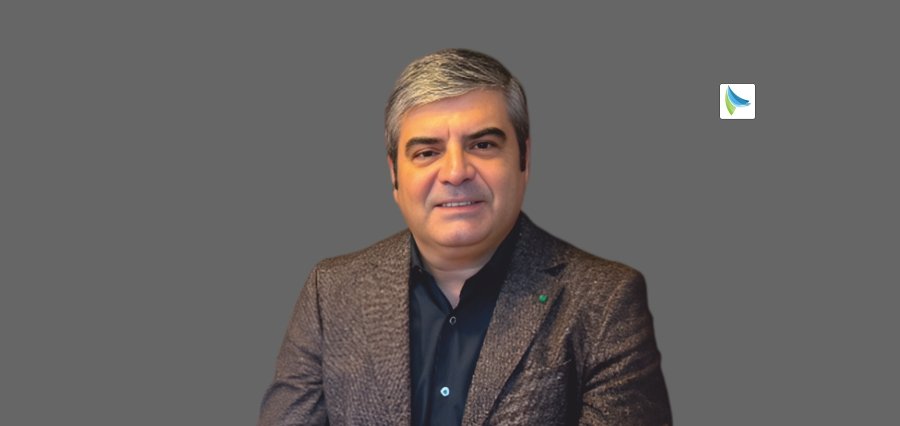
Is the future of work going to be the same as it is today? To answer it, we must acknowledge the fact that the nature of work, jobs, recruitment, training, and employment is very different from what it was in the past. In that regard, over the last three decades, Pedro Ramos has been working on building human, strategic, and sustainable work cultures between Portugal, Brazil, Lusophone (Portuguese-speaking) Africa, and the world. He believes leading is caring, and the future of the Lusophone world depends on leaders capable of integrating people, purpose, and economic development.
With a solid career in management and people development, Pedro has excelled in leading consulting projects focused on change processes and organizational transformation. In addition to being the author of several books, he is a highly sought-after international speaker, having shared his vision at conferences across various continents. He has received numerous international awards and recognitions and has been significantly involved in leading various business organizations and professional associations in recent years. His holistic approach emphasizes the importance of managing change processes with people, rather than against them.
A Rare Transition
A career that reflects a rare transition from long-standing HR leadership roles to board-level and Chief Executive Officer (CEO) responsibilities, a pivotal mindset shift was necessary for Pedro to evolve from people management to enterprise-wide value creation. This transition is marked by understanding that people management is just one part of the broader framework of value creation. He says, “I believe the key turning point was recognizing that every decision we make in talent management must align with the overall business strategy.” This new perspective emphasizes the interconnection between organizational culture, employee engagement, and financial results. Focusing not only on developing leaders but also on how these leaders can drive innovation and sustainability for the company was crucial in this evolution.
Having led HR functions for over two decades, Pedro defines the modern CEO’s responsibility toward talent in an era shaped by AI, remote work, and generational change pragmatically. The modern CEO must adopt a holistic view toward talent management, especially in a landscape defined by artificial intelligence, remote work, and generational shifts, he says. This means not only attracting and retaining talent but also creating an environment that promotes inclusion and continuous development, he adds.
Furthermore, it is essential to integrate mental and physical well-being practices into the daily operations of the organization. “In a world where employee expectations are changing rapidly, leaders must be proactive in listening and adapting to their needs, fostering a culture of continuous learning and innovation.”
Reimagining A Focused Workforce Strategy
As CEO of Rharo by Group Talent and Dale Carnegie® Portugal, Pedro ensures that he and his leadership team are reimagining their workforce strategy by focusing on balancing performance, purpose, and human sustainability. This involves developing programs that align individual objectives with organizational goals, promoting a greater purpose that resonates with employees. “We are implementing continuous feedback, mentoring, and training practices to ensure everyone is aligned with the company’s vision, thus creating a more engaging and productive workplace.” Moreover, at Dale Carnegie®, they are utilizing the most innovative international best practices to enhance the development of current and emerging organizational leaders.
An Academically Grounded Foundation
Pedro’s journey is grounded in a multidisciplinary foundation, shaped in strategic decision-making as a business leader. His academic background in Sociology and Education, complemented by a PhD in Economics, provides a solid foundation that directly influences my decision-making as a business leader. Each of these fields offers a unique and holistic perspective reflected in how Pedro approaches management and leadership. “Sociology, for instance, offers a deep understanding of human dynamics and social relations within an organization, enabling me to create work environments that promote inclusion and enhance interpersonal interactions.” Education enriches his approach to continuous development and lifelong learning—essential elements for any organization aiming for innovation and adaptability. Pedro’s experience as a top leader in human resources reinforces this academic background, allowing him to apply theories and concepts practically.
With over two decades of experience, he’s learned the importance of aligning HR strategy with the company’s broader goals. This integration is crucial to ensure that human capital is effectively leveraged to achieve organizational objectives. Additionally, his roles as a business manager and university professor allow Pedro to share this experience with future generations of leaders, shaping professionals who understand the complexities of contemporary management.
Merging Theoretical Knowledge with Practical Experience
As an author and international speaker, Pedro has the opportunity to disseminate these ideas to a broader audience, contributing to the evolution of people management practices across various cultural contexts. This combination of academic training and practical experience not only enriches his perspective as a leader but also empowers everyone involved in the organization to thrive. “I firmly believe that when we merge theoretical knowledge with practical experience, we are creating more efficient and humane organizations where every employee feels valued and motivated to contribute to collective success.” Ultimately, each of these dimensions—academic, professional, and public—converges to form a holistic approach to leadership that seeks to promote both organizational performance and human development.
A Major Organizational Alignment Challenge
Many organizations struggle to align leadership development with real business outcomes. One of the major challenges Pedro observes in practice is the disconnect between leadership development initiatives and real business outcomes. Often, companies invest in training programs that are not aligned with the specific goals and challenges of the organization. To address this, CEOs must have a clear vision of what constitutes success in terms of business results and ensure that leadership development programs are fully integrated into this vision. Utilizing clear metrics and providing continuous feedback is essential to evaluating the effectiveness of these programs. However, the most telling feedback from these projects remains in how leaders inspire and motivate their teams. “Are they truly embodying the principles of human-centered leadership, or are these merely empty words?” he asks.
As the President and Vice-President of various professional organizations and businesses, Pedro seeks to utilize institutional leadership to promote systemic changes in people management practices. This involves collaboration with other entities in the sector to share best practices and promote higher standards in talent management and development. “I believe that together, we can create a support network that transforms traditional working practices into more modern and effective approaches.”
A Professor of Higher Education
Pedro is also deeply involved in higher education as a professor. According to him, today’s students have significantly different expectations regarding leadership and work compared to previous generations. They seek leadership that is authentic, accessible, and prioritizes social responsibility. Additionally, they value work environments that not only drive financial success but also have a strong commitment to social and environmental issues. This new generation of professionals desires to work for organizations that reflect their personal values, he informs.
A Never-Ending Learning
During his entire journey, Pedro’s learning never stopped. One of the key lessons from his leadership journey is the importance of transparency and open communication. Sharing not only successes but also challenges and failures builds trust and loyalty within the team. “Another important lesson is that continuous development is vital; as leaders, we must remain open to learning and adapting.” Finally, he stresses the need to foster a culture that values innovation and experimentation. Encouraging employees to think outside the box can lead to creative solutions for complex problems and generate positive impacts on business outcomes. Ultimately, leaders who invest time in building relationships and who prioritize the well-being of their teams will create a thriving organization that is better equipped to navigate an ever-changing business landscape.
Measuring Success
Personally, Pedro considers leadership success a combination of various factors. While financial results are a clear measure, he believes that a leader’s true effectiveness must also be evaluated through organizational culture and social impact. “Successful leadership should result in a motivated team that feels a sense of purpose and contributes positively to society.” Therefore, he values a balanced approach that considers financial performance, organizational climate, and social outcomes as key indicators of success.
The Most Important Structural Changes
The future of work is often discussed in abstract terms. From Pedro’s experience, there are some structural changes that organizations must implement today to remain relevant tomorrow. The most important, says Pedro, is to promote agility and adaptability. This includes adopting flexible work models, promoting a culture of innovation, and leveraging technologies that facilitate collaboration and powerful connections. Companies must also rethink their hierarchical structures, fostering more collaborative and inclusive environments where ideas can flow freely, regardless of hierarchical position.
Going Beyond the Conventional
Also, Pedro says that the future of organizations will require leadership competencies that go beyond traditional management skills. Future-ready leaders will need to be adaptable, empathetic, and skilled communicators. The ability to lead in hybrid environments, utilizing technology to connect remote teams, will be crucial. Moreover, emotional intelligence and the capacity to promote diversity and inclusion will be essential for fostering healthy and innovative organizational cultures. Leaders who can balance operational efficiency with a people-centered approach will have a significant competitive advantage.
The Long-Term Vision and a Transformational Mission
Finally, as someone shaping the future of work from both corporate and academic platforms, Pedro’s long-term vision for organizations is that they become entities that, above all, serve people rather than the other way around. “I believe it is essential to build new, more humanized leadership models based on the principle that ‘Leading is Caring,’ which should be internalized at all levels of the organization.” This philosophy implies not only the development of competent leaders but also leaders who recognize and value the importance of caring for their employees throughout their professional journeys.
Organizations need to foster environments where empathy, active listening, and consideration for employee well-being are the norm. When leaders adopt a people-centered approach, they cultivate a culture of inclusion and belonging, where everyone feels respected and valued. “I believe that by putting people first, companies will not only thrive economically but also create a positive social impact, contributing to a more equitable and sustainable future.”
Pedro says his mission is to assist in transforming mindsets within organizations, encouraging leaders to become change agents who take care of their human capital. In this regard, it is crucial for companies not only to implement well-being policies but also to build a genuine culture that recognizes that caring for people is key to long-term success. “With this vision, I hope to inspire a new generation of leaders who view their role as vital in creating a workplace where everyone can flourish and contribute fully,” he concludes.