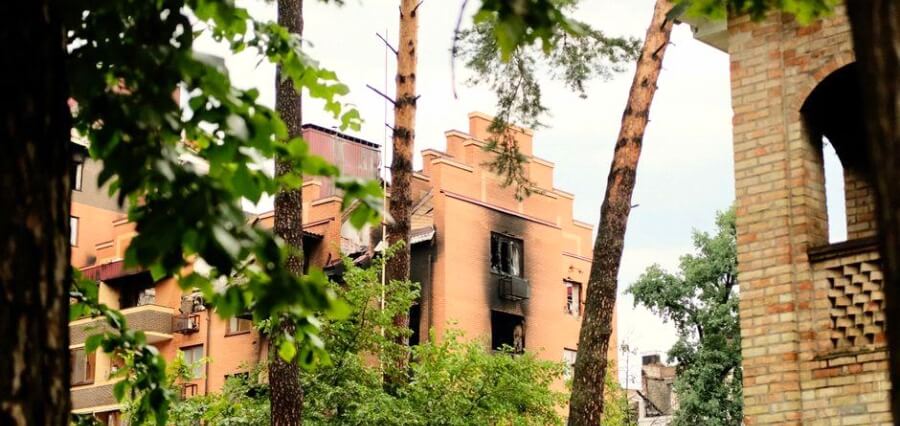




When a property suffers a fire, the damage reaches far beyond charred walls and a lingering smoky smell. In a market like Baton Rouge, where humidity, storm exposure, and older housing stock can complicate recovery, returning a property to a safe and marketable condition requires careful planning. Whether you own, manage, purchase, or invest in real estate, understanding how fire damage affects valuation, insurance, repairs, timelines, and resale can help you make better decisions from the beginning.
How Fire Damage Changes a Property’s Value:
A fire-damaged property is more than a building with visible destruction. Its overall condition changes immediately. Appraisers, insurers, contractors, and prospective buyers may consider structural integrity, soot migration, smoke residue, water intrusion from firefighting efforts, and possible HVAC contamination.
Even a contained kitchen fire can spread residue through ductwork. Porous materials such as drywall, insulation, and carpeting can also retain odors and potentially harmful particles. If the property is not stabilized promptly, secondary damage can increase restoration costs and complicate the recovery process.
From a real estate perspective, the building may move from an ordinary condition category into a distressed one. This can affect its marketability, financing options, and negotiating position. The extent of the impact depends on the severity of the fire, the condition of the property before the incident, and the quality of the restoration work.
Local Conditions That Complicate Fire Recovery:
Location plays an important role in restoration. Properties in Baton Rouge face environmental conditions that can influence the recovery process. High humidity can slow drying and contribute to persistent odors, while storm exposure can leave damaged roofs and openings vulnerable before temporary protection is fully installed.
Older properties may also contain aging electrical systems or different construction materials that require additional assessment. These factors make the order of restoration work particularly important.
When evaluating fire damage restoration in Baton Rouge, property owners should consider whether a provider can coordinate the broader mitigation process rather than focusing exclusively on visible cleanup. Depending on the damage, this may involve emergency board-up services, moisture assessment, deodorization, debris removal, and selective demolition.
A poorly coordinated response can lead to repeated work, extended vacancy periods, insurance complications, and inconsistent project documentation.
Why Hidden Damage Can Become More Expensive:
Some of the most significant restoration challenges are not immediately visible. Subfloor moisture, compromised framing, electrical damage, and smoke residue can continue affecting a building after the flames have been extinguished. Owners may initially focus on blackened ceilings or broken windows while less obvious problems remain untreated.
Smoke residue can damage metal surfaces, discolor stone, and affect electronics. Water used during firefighting can also enter wall cavities and create conditions that encourage microbial growth, particularly in warm, humid environments.
The FEMA guide to residential smoke damage explains how smoke damage can affect building materials and outlines considerations for assessing and remediating affected homes.
How Documentation Influences Insurance Claims:
A fire insurance claim can quickly become a matter of detailed documentation. Insurers may request evidence of the property’s previous condition, the extent of the damage, emergency mitigation measures, affected materials, and estimated repair costs. Incomplete records can make it harder to establish the scope of the loss and may contribute to delays.
Property owners should photograph affected areas before substantial cleanup begins, maintain records of conversations, and save receipts for emergency services and temporary expenses. Where applicable, they should also document relocation costs and business interruption losses.
Professional restoration documentation can provide additional clarity. Moisture readings, photographs, demolition records, and descriptions of affected contents can help establish what work was necessary.
The National Association of Insurance Commissioners’ guide to filing a homeowners insurance claim explains why photographs, damaged-property inventories, receipts, and communication with insurers matter when documenting a claim.
Why Buyers and Tenants Need a Clear Recovery Record:
A freshly painted interior does not automatically reassure prospective buyers or tenants. They may want to know whether the repairs addressed only visible damage or included a more comprehensive restoration process.
Buyers, in particular, may ask what materials were removed, which systems were repaired, and whether affected areas were properly assessed. Tenants may be concerned about lingering smoke odors, cleanliness, and the safety of the living environment. Lenders and inspectors can also examine the property’s condition and supporting repair records.
A well-organized recovery file can help answer these questions. It may include records of electrical repairs, HVAC cleaning, odor treatment, permits, inspections, and before-and-after photographs.
Two properties with similar appearances after restoration may still present different levels of confidence during a sale. A property supported by clear documentation and properly completed repairs can make the due diligence process more straightforward. The recovery record therefore becomes an important part of the property’s market narrative.
Why Restoration Requires the Right Sequence:
Acting quickly after a fire is important, but rushing into repairs without a clear plan can create expensive problems. Discarding contents prematurely, beginning reconstruction before appropriate cleaning, or sealing contaminated materials can complicate the restoration process.
A coordinated response generally begins with emergency stabilization, a safety assessment, and moisture control. Specialists can then evaluate soot and smoke contamination, identify materials that require removal, and determine which components can be restored.
Reconstruction planning becomes more reliable after the affected areas have been assessed and necessary mitigation work has been completed.
For commercial properties, the sequence can have additional financial consequences because downtime may directly affect revenue. Retail spaces, multifamily buildings, offices, and mixed-use properties have different operational requirements. Owners and property managers should consider lease obligations, applicable building codes, and reoccupancy requirements alongside visible repair progress.
Protecting Resale Value During Restoration:
Restoration should not be viewed solely as a way to make a building usable again. It is also part of protecting the property’s future value. Decisions about insulation replacement, HVAC cleaning, moisture treatment, and the use of qualified tradespeople can influence how buyers, tenants, insurers, and appraisers view the completed work.
Cutting corners may make a property appear ready during a casual walkthrough, but problems can emerge during inspections or financing reviews. Recurring odors, stains, warped materials, and incomplete remediation can become concerns months after the initial repairs.
A more disciplined approach involves requesting detailed work scopes, retaining completion records, confirming permit requirements, and keeping photographs of the restoration process. These steps create a clearer record of what happened and how the property was returned to service.
A fire may remain part of the property’s history, but a thorough restoration process can help prevent that event from defining its future marketability.
Preparing for the Financial Impact of Fire Damage:
Fire damage can affect property valuation, occupancy, financing, insurance, and buyer confidence. Visible destruction is only one part of the problem. Hidden contamination, incomplete documentation, and poorly coordinated repairs can contribute to longer-term financial losses.
Preparation before an emergency can make the response more manageable. Property owners should understand their insurance coverage, keep building records accessible, identify potential restoration providers, and establish a process for documenting damage.
In Baton Rouge, local environmental conditions can add further considerations to the recovery process. Understanding those challenges and responding with a coordinated restoration plan can help owners protect their investment.
A fire can change a property’s story in a single night. The decisions made afterward can influence how quickly it recovers, how confidently it returns to the market, and how much of its long-term value is preserved.