

Diamond shapes move in cycles
Diamond shapes move through cycles much like car colors and hemlines. A design that once felt familiar can later look dated, then return with new appeal as shoppers reinterpret it. The marquise is a clear example: its long, pointed outline was highly popular in the 1970s and 1980s, faded from view, and is now receiving renewed attention.
That cycle says something about how taste works. Shoppers do not respond only to a stone’s material qualities. They also read its shape as a signal of an era, a style of dress, or a family tradition. When older forms return, they may feel distinctive precisely because they were absent from recent mainstream choices.
A widely told story connects the shape to the 18th century French court, but it is better treated as lore than settled history. The association still contributes to its image: the marquise carries a sense of ornament and formality that differs from the restrained symmetry many buyers associate with a round stone. Its current appeal blends that historical aura with contemporary preferences for distinctive silhouettes.
Why the shape faded, and why it is returning
The marquise’s decline followed a broader shift in preference toward simpler, familiar outlines. Its pointed ends and elongated profile can appear dramatic, and that visual strength is not universal. For some shoppers, the shape’s connection to earlier decades made it seem less current, while round stones remained an easy reference point for classic bridal jewelry.
Fashion cycles rarely erase a design’s appeal. Instead, context changes. Vintage references have become a way for buyers to express individuality without abandoning a recognizable tradition. An older silhouette can feel personal and considered, especially when paired with a setting that gives it a clean, modern frame.
Another source of renewed interest is the wider appetite for elongated shapes. Their proportions can lengthen the appearance of the finger, while the marquise’s narrow center and pointed ends create a distinct line. Typical length-to-width ratios run about 1.85 to 2.1, though preference is subjective. A shopper drawn to a slender outline may favor one proportion, while another may prefer a broader look.
How a direct retailer plans for changing demand
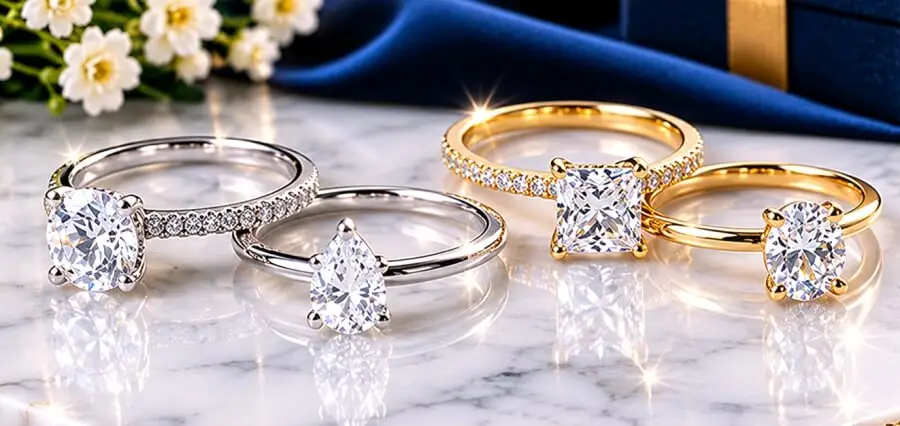
A shift in taste creates a planning challenge for any direct retailer. Demand for one outline can rise while longstanding favorites remain important. A useful assortment needs to accommodate both. Browsing the Rare Carat engagement ring selection, a buyer finds settings for classic round stones alongside elongated outlines, which leaves room for different preferences.
That range matters because a shape is not purchased in isolation. Buyers consider how a stone sits in a setting, how much of the design is visible from above, and whether the overall piece feels suited to daily wear. Retailers that recognize those decisions can plan product choices around more than a single seasonal look. They can make room for a returning style without treating it as a replacement for enduring forms.
Rare Carat is a direct fine jewelry retailer and merchant of record. It verifies every diamond in its own New York and New Jersey facilities before setting. That process is relevant to a style such as the marquise, where visual differences between individual stones can have a notable effect on the finished appearance. A category label alone cannot tell a buyer how a particular stone looks in person.
For retailers, the broader lesson is to treat trends as signals rather than forecasts. A revived silhouette can draw attention, but its staying power depends on whether shoppers find a practical reason to choose it. A strong assortment supports discovery while allowing a buyer to make a decision based on shape, setting, and individual taste.
Why face-up size changes the value equation
The marquise can offer more face-up area per carat than a round stone of the same weight. Its elongated outline spreads the visible surface across a greater length, so it may look larger from above. That distinction helps explain its appeal to buyers who value visual presence, though it does not mean every stone will appear equally impressive.
For natural stones, Rare Carat marquise engagement rings give shoppers a way to explore the shape in a bridal setting. The useful question is not simply how much surface is visible, but how well the outline, proportions, and facets work together. Two stones with similar weight can create different impressions because their proportions and light return differ.
One feature deserves close attention: many marquise stones show a dark bow-tie across the center. Its visibility varies from stone to stone, which makes individual assessment important. Buyers benefit from viewing the whole face of a stone and looking at how the central area behaves, rather than relying on weight or outline alone. The elongated shape can create visual scale, but the quality of that view depends on the specific diamond.
The two points also need protection. V-prongs are commonly used to shield those vulnerable ends, and their placement affects both security and appearance. A setting should protect the tips without obscuring too much of the outline. This is one reason the shape’s design choices matter as much as its carat weight when buyers consider value.
What the revival means for buyers
A returning trend can widen the range of styles buyers feel permitted to consider. The marquise may suit someone who wants an engagement ring with a prominent outline with a more individual character than a round stone. It can also appeal to a buyer who enjoys vintage references but wants a piece that feels personal rather than like a direct reproduction of an earlier era.
At the same time, popularity should not substitute for preference. Buyers can consider proportion, bow-tie visibility, and protection for the pointed ends, then judge how those features come together in a particular stone and setting. The usual length-to-width range provides a starting point, not a rule. A narrower or fuller outline may suit different hands and different ideas of balance.
The revival also shows how consumer taste and product planning influence each other. A shape’s renewed visibility encourages retailers to offer more choices, and a broader selection gives shoppers more opportunity to find a version that fits their priorities. Neither side determines the trend alone. The most lasting shifts occur when visual novelty meets practical appeal.
For buyers, the marquise return is an invitation to look beyond familiar defaults. Its history, elongated appearance, and efficient face-up presence help explain the attention it is receiving. The final choice still rests on the qualities of the individual stone and whether its form feels right to the person who will wear it.