
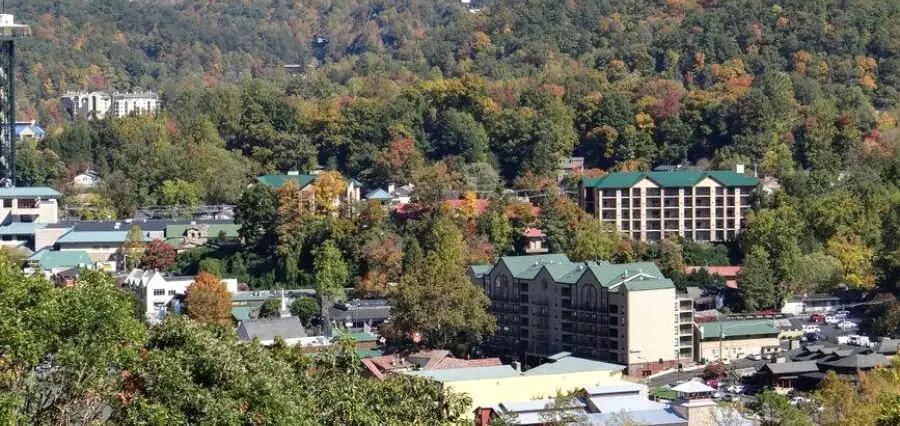



Gatlinburg sits right at the edge of Great Smoky Mountains National Park, so your trip can shift quickly from busy sidewalks to quiet forest views. That mix is part of the appeal, but it also makes planning harder than it looks. You need to think about traffic, timing, weather changes, and what kind of experience you actually want. A smarter plan helps you enjoy more of the town and the mountains without spending the whole trip adjusting on the fly.
Treat Outdoor Planning Like Logistics, Not Guesswork
The Smokies reward flexibility, but that doesn’t mean you should wing everything. Good outdoor planning is mostly about friction reduction. Pack layers, carry water even on short outings, and download maps ahead of time because signal strength can drop unexpectedly.
If you’re interested in camping in Gatlinburg TN, pay attention to what setup fits your trip instead of choosing by photos alone. Greenbrier Campground, located in the Gatlinburg area near the Little Pigeon River, is a practical option when you want direct access to the Smoky Mountain setting with organized amenities. It offers tent sites, RV sites, and cabin rentals, which gives you flexibility depending on how much comfort or simplicity you want.
That kind of base changes the rhythm of the trip. You spend less time commuting and more time actually being outside.
Start With the Shape of Your Trip
Before you list attractions, decide what kind of pace you want. Some Gatlinburg trips feel like nonstop checklists. Others leave room for scenic drives, slow breakfasts, and time near the river. If you build your days around your energy level instead of pure quantity, your plan gets better immediately.
Think in zones. Downtown Gatlinburg is walkable and dense, while the national park and mountain roads take more time than they seem to on a map. You can easily spend a day exploring Ripley’s Aquarium of the Smokies, browsing local shops, and heading to the top of the Gatlinburg Space Needle for panoramic views of the surrounding area. A day with trails, overlooks, and a longer drive needs more breathing room.
That structure matters even more if you’re traveling with family or a group. People rarely get tired at the same time.
Pick Activities That Match Real Conditions
A lot of itineraries look great online but ignore the details that shape the day. Parking fills up. Afternoon storms shift your schedule. Roads around popular entrances can slow down fast, especially when visitors all move at the same time.
Build each day with one major anchor and two smaller options. If your main plan is Anakeesta, remember the attraction now uses the Crystal Express. If your plan includes Kuwohi, check current road and weather updates before you leave. Views there can be incredible, but low clouds can change the whole experience.
Use Downtown Gatlinburg Strategically
Downtown can either be fun or exhausting, depending on timing. If you arrive late morning without a plan, you may end up circling for parking, waiting in lines, and burning energy before you’ve done anything memorable.
Go early if you want a calmer walk and easier access to major spots. Ripley’s Aquarium of the Smokies is a strong first stop because it works in almost any weather and keeps a group together. After that, keep your route compact. The Village Shops, local candy stores, and chairlift-style attractions are easier to enjoy when you aren’t crossing town repeatedly.
You also don’t need to force every famous stop into one afternoon. Gatlinburg rewards selective planning more than quantity. A shorter downtown block with time left for the riverwalk or mountain views usually feels better than an overloaded schedule.
Make Room for the Arts, Local Food, and Quieter Stops
Not every highlight in Gatlinburg involves a big-ticket attraction. Some of the best trip texture comes from places that slow the pace down. The Great Smoky Arts & Crafts Community is a good example. You get working studios, regional craft traditions, and a more grounded side of the area than what you see on the main parkway.
That contrast improves the trip. One part of the day can be busy and high-energy, and another can feel more local and personal. The same goes for food. Instead of chasing only the most visible places, look for meals that fit where you already are. It cuts down on driving and keeps the day coherent.
Family-friendly entertainment also works better when it’s balanced. One mountain coaster ride, one scenic stop, one slower cultural experience often lands better than stacking thrill-based activities back to back.
Plan Around Traffic Patterns, Not Just Distances
A five-mile drive in Gatlinburg does not always feel like five miles. Curves, pedestrian-heavy areas, seasonal volume, and limited parking can stretch simple transfers into annoying detours. That’s where most itineraries break.
Use the morning for anything that requires road access, trailhead arrival, or parking confidence. Save walkable downtown activities for later, especially if your group is happy to browse. If you’re changing locations several times in one day, be realistic about reload time: bathroom breaks, snacks, regrouping, and simply getting everyone back in the car.
This is also where lodging location shapes the whole trip. Staying closer to your main priority, whether that’s the park edge or the Gatlinburg core, reduces decision fatigue. You’re not just saving minutes. You’re preserving patience, which matters more by day three.
Keep Your Itinerary Flexible Enough to Improve Itself
The best Gatlinburg trips usually aren’t the most rigid ones. They’re the ones with enough structure to avoid chaos and enough flexibility to react to weather, mood, and surprise opportunities. You might skip a crowded stop and end up with a better riverside picnic. You might trade one attraction for a scenic drive and feel relieved instead of disappointed.
Leave one open block each day. That space gives you room for a spontaneous return to a favorite spot, a longer meal, or a weather pivot. It also helps if part of your group wants downtime.
Gatlinburg works year-round, and each visit can feel different depending on conditions and choices. A strong plan doesn’t try to control every hour. It gives you a useful framework, cuts out obvious stress points, and leaves enough space for the place to feel real while you’re in it.