


A race trip can double as a rewarding city break when sightseeing, meals and local transport are planned around your event. Helsinki is particularly well suited to this approach. Its compact centre, waterfront paths and plentiful cafés make it easy to explore without filling every hour or tiring your legs before the start.
The main challenge is deciding how much activity fits around your race. Arrive with a simple plan that protects your taper, removes practical obstacles and leaves enough flexibility for changing weather or tired legs. You’ll experience more of the city while still reaching the start line ready to run.
Balancing Taper Week with Exploration
Treat sightseeing as part of your physical workload during race week. A relaxed afternoon on foot may feel easy, yet several hours of walking can add thousands of steps and leave your calves tired the next morning. Check your phone or watch occasionally and build seated breaks into the day.
Your running volume should already be falling. A typical marathon taper plan reduces mileage while retaining some familiar pace work, though the exact schedule depends on your training history and race distance. The four-week taper blueprint provides a useful example of how training load can decrease progressively instead of stopping abruptly.
Keep the day before the race simple. Choose one compact district, spend no more than two or three hours exploring and use a tram for longer stretches. A more flexible approach to planning city explorations can also help you see more without turning sightseeing into an exhausting itinerary.
The Mayo Clinic taper guidance also highlights sleep, nutrition and hydration, all of which become harder to manage when an itinerary runs from breakfast until evening. The same principles apply to cyclists entering an endurance event. Whatever your sport, save museums with extensive galleries, long shopping sessions and excursions outside the centre for after race day.
Dropping Bags to Roam Freely
Travel timetables rarely line up neatly with hotel check-in and check-out. An early arrival can leave you carrying a suitcase for half a day, while an evening departure may turn post-race sightseeing into an awkward search for somewhere to leave your belongings.
Decide where to store luggage in Helsinki before departure if you expect a gap between accommodation and transport. An advance booking gives you a clear drop-off point and helps you build a realistic route from the railway station, ferry terminal or airport connection. Check the location’s opening hours and allow extra time for collection, especially if you have a fixed train or flight.
Pack a small day bag that can stay with you. It should hold your phone, payment card, identification, a light waterproof layer and any race documents you can’t easily replace. After the event, add a clean top, warm layer, simple snack and spare socks. Keep medication and valuables with you instead of placing them in stored luggage.
Bag-free hours are easier on tired shoulders and give you more options. You can take a tram to a café, visit an indoor attraction during a shower or walk through the harbour area without pulling a case over kerbs. Pin both the storage point and your departure terminal on your map so you don’t confuse similar street names when fatigue sets in.
Scenic Nordic Waterfront Jogging
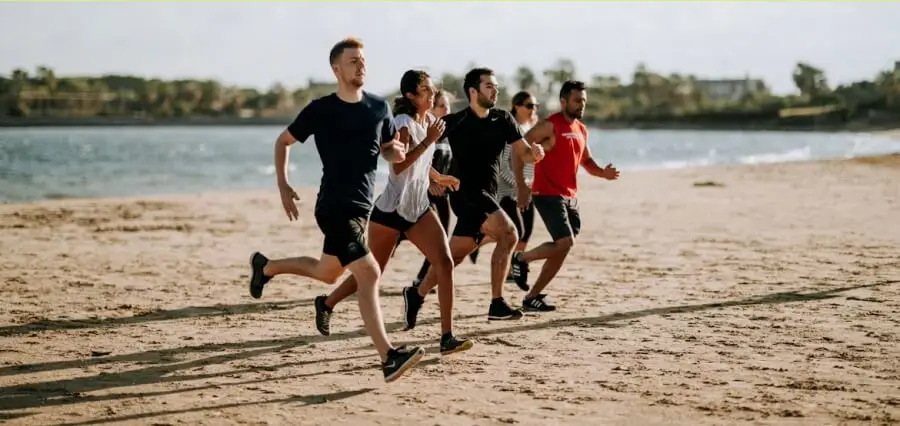
Helsinki’s shoreline offers an inviting setting for a short shakeout, though the best pre-race outing should feel deliberately restrained. Plan a flat route of roughly 20 to 30 minutes and finish while your legs still feel fresh. There is no need to turn an unfamiliar waterfront into an extra training session.
The paths around Töölönlahti Bay provide a convenient option close to the centre. You’ll see parkland, waterside views and several distinctive cultural buildings without dealing with a complicated route. Another choice is the southern shoreline near Kaivopuisto, where open sea views make an easy run feel like genuine sightseeing. An out-and-back course lets you turn around at any point if the wind is stronger than expected.
Nordic coastal weather can change quickly. Check the hourly forecast, wear a light layer that is easy to remove and expect exposed sections to feel cooler than sheltered streets. In darker months, reflective details help other path users see you. Watch for wet leaves, ice and uneven paving instead of concentrating on pace.
Run at a conversational effort and pause for photographs if something catches your eye. Short, manageable bouts of daily exercise can still support an active routine without turning your shakeout into another hard workout. If the race starts early the next morning, complete the jog before lunch so you have plenty of time to eat, hydrate and relax.
Save longer routes for the morning after the race only if recovery is going well. A slow stroll may be the better choice after a hard effort, particularly when stairs or normal walking already feel uncomfortable.
Post-Race Fuel Across Historic Cafes
A finish-line snack starts recovery, but it may not satisfy you for long. Arrange a proper meal within a couple of hours and choose food you already know sits comfortably after running. A practical plate combines carbohydrates, protein and fluids, such as a filled roll with yoghurt, salmon soup with bread or porridge topped with fruit.
Helsinki’s café culture makes the next stage of the day easy. The historic centre has traditional cafés where you can sit indoors, warm up and order at your own pace. Around the harbour and Market Square, you’ll find coffee, pastries, soup and savoury snacks within a relatively small area. Popular spots may be busy at lunchtime, so keep a second option saved nearby.
Your appetite can behave unpredictably after a long event. Start with something plain if a large meal feels unappealing, then eat again later. Coffee and a cinnamon bun are enjoyable parts of a Helsinki break, but pair them with water and a more substantial dish when you’ve raced for several hours. If you have dietary requirements, review menus before race morning and save suitable places on your phone.
Allow your post-race plan to stay loose. Reserve a table only when missing a particular meal would be disappointing, since finish times, changing facilities and the walk from the event area can all take longer than expected. Choose a café close to your accommodation or luggage collection point and avoid committing to a cross-city dash.
Once you’re seated with dry clothes, a warm bowl and a view of the street outside, the city break can move at recovery pace. That unhurried café stop may become as memorable as the waterfront kilometres that brought you to Helsinki.