
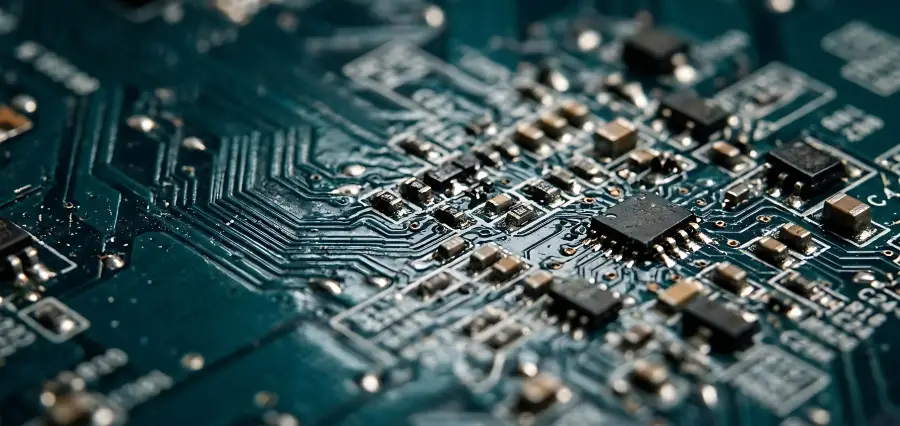

Reliable components are essential for the electronics industry. Printed circuit boards (PCBs) are found in nearly all modern devices, ranging from cellphones to medical devices and industrial machinery. There are, however, multiple steps in the manufacturing process, various suppliers involved, and it requires a lot of logistics.
These stages can become challenging to manage if each of these is executed within different companies. These material sourcing, communication, quality control, and transportation cost delays can have an impact on any part of the supply chain. Integrated PCB manufacturing is a solution to these challenges.
Having several manufacturing processes under one system allows companies to offer more efficient manufacturing, minimize risk, and meet changing market demands faster.
Gain deeper insight into Integrated PCB Manufacturing.
Integrated PCB manufacturing is able to mix multiple stages of PCB making in the same manufacturing model. Manufacturers make use of fewer independent vendors than they used to.
The processes might involve PCB design assistance, material choice, fabrication, drilling, plating, application of solder mask, surface finishing, testing, and assembly.
This ensures greater control over production by the manufacturers. They are able to gauge quality in various phases and make decisions about quality before it becomes an issue for the product.
Another advantage of integrated manufacturing is the ease of communication. The customer contacts fewer suppliers and has access to all the information from a single manufacturing supplier. This simplifies the overall procedure, particularly with complicated designs or focused deadlines.
The need for resilience in electronics supply chains.
Several issues are encountered by electronics supply chains. Production can be disrupted through a shortage of raw materials, delays in shipping, unforeseen price rises, and geopolitical events.
Soldering material, electronic parts, laminates, copper foil, and other materials are essential to the PCB industry. Orders can be delayed by not having one of the crucial materials.
Additionally, businesses are pressured to provide quicker product delivery. Faster turnaround time and lower inventory levels are expected by their customers, while manufacturers need to hold at least a certain level of stock and keep their prices competitive.
A flexible supply chain is essential for resilience. It should be capable of coping with disruptions while keeping production unhampered. One way of achieving this is by using integrated PCB manufacturing, which means less dependence on external suppliers.
Making Less Dependence on Several Suppliers
Having multiple sources can cause problems. Every supplier has its own production line and its own communication, quality, and delivery procedures.
If one supplier is late, it can also have an impact on other production stages. It sometimes causes businesses difficulties in determining the cause of an issue or a rapid fix.
Reduced dependencies with integrated PCB manufacturing. A manufacturer can control multiple aspects of manufacturing within the organization and make adjustments to the schedule as required.
This doesn’t mean that supply chain risks are totally overcome. It decreases, however,r the number of external aspects businesses will have to manage. Reducing the number of passes will also reduce the chances for confused interpretations and manufacturing errors.
Proper quality control and production consistency are another priority factor.
Quality is another among the factors of supply chain resilience.
Quality Checks throughout the manufacturing process are possible in integrated manufacturing. Manufacturers can check what material is put in, gauge drilling precision, monitor the quality of the plating, and test finished boards.
If various processes are managed as a single system, quality can be more easily maintained. Production personnel have faster access to information and to problems being solved.
In large-scale electronic device manufacturing, quality in the production of PCBs ensures production timelines are met. It also helps to minimize the chances that boards will be defective before they get to the assembly stage.
Faster production and better communication.
An integrated manufacturing process may also help to improve manufacturing speed. It is not necessary for companies to wait for suppliers to change their boards.
It makes scheduling with production teams more efficient. Engineers and manufacturing staff can communicate directly if a design needs to be modified. This helps to prevent delays where they may be unnecessary.
An effective PCB manufacturer will also give you the ability to keep better track of the status of your orders. When planning procurement and assembly of components, as well as the launches of new products, businesses can be confident and rely on the information.
. It is particularly beneficial when production is rapid and/or when designs are changeable towards the end of the development.
Facilitating the ability to plan economically and to imagine sustainable growth.
Businesses could be able to manage costs through integrated PCB manufacturing in a few ways. Shifting the manufacturing costs could lower total manufacturing costs because transportation costs between the supplier and manufacturer are lower; less administrative work is involved; and production planning is improved.
It will also lower rework and flawed product expenses. If quality problems are discovered as early in production as possible, the manufacturers can correct them before they become more costly.
For businesses seeking a dependable manufacturing partner, companies may check with vendors like UETPCB, who will be able to provide them with information concerning integrated PCB manufacturing solutions and their capabilities.
Selecting the perfect manufacturing associate for a flourishing electronics business goes hand-in-hand with selecting the least expensive. Reliability, support, quality, and future demand are also key concerns.
Conclusion
The electronics industry is continually changing. Manufacturers are faced with higher expectations and fluctuating conditions in the global marketplace, as well as new technologies.
An integrated PCB manufacturing method offers a more streamlined production process. It aids businesses to control quality, reduce suppliers’ reliance, enhance communication and to maintain more forecasting delivery schedules.
While no manufacturing model can ensure a seamless supply chain, having business processes integrated can help you navigate unexpected problems more smoothly.
Integrated manufacturing will continue to play a key role in supply chain flexibility and reliability as electronics companies continue to expand.