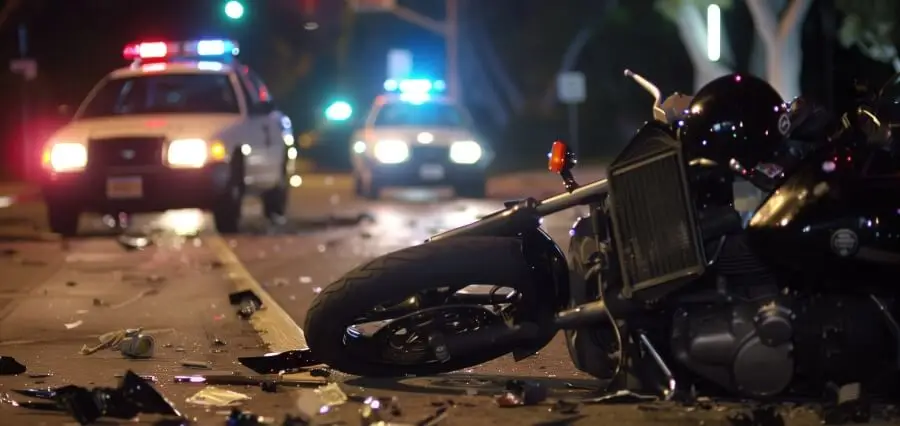


The light turns green on Sunset Boulevard, you roll forward, and a driver turning left never sees you. If that moment has already happened to you, getting legal help after a Los Angeles motorcycle accident early can shape everything that comes next, from your medical care to the check you finally receive.
Most riders spend years learning to stay safe. Few spend an hour learning what to do after a crash, and insurance companies profit from that gap. This guide covers the steps, rules, and mistakes that matter most.
Why Riders Face a Harder Road After a Crash
A car driver who gets rear-ended usually walks away with a sore neck. A rider who gets hit often leaves in an ambulance. There is no steel frame, no airbag, and no seat belt between you and the pavement.
National numbers show how real this risk is. According to the National Highway Traffic Safety Administration , motorcyclists are many times more likely than people in passenger cars to die in a crash, based on miles traveled. Survivors often face broken bones, head trauma, or road rash.
There is also a problem that has nothing to do with physics. Many people assume riders are reckless. Adjusters, witnesses, and even jurors may assume you were speeding, even when the other driver clearly caused the crash. That bias can shrink a fair claim.
What Makes Los Angeles Roads So Risky
Riding in Los Angeles is different from riding almost anywhere else. The city has some of the heaviest traffic in the country, and drivers are often tired, rushed, or looking at their phones. Stop-and-go traffic on the 405 and the 101 invites sudden lane changes.
Popular routes add their own dangers. Pacific Coast Highway draws weekend riders and tourists who slow down without warning. Mulholland Drive has tight curves and blind turns. Downtown streets are packed with delivery trucks, rideshare cars pulling over, and people crossing between lanes.
Lane splitting also plays a part. It is legal in California, but many drivers do not expect a bike to pass between lanes. When they drift or open a door, riders pay the price.
The First 72 Hours Matter Most
Your actions in the first few days can help or hurt your case for months. Adrenaline often hides pain, so some injuries show up later. Focus on these steps:
- Call 911 and get a police report, whether the LAPD or the California Highway Patrol responds.
- Get checked by a doctor the same day, even if you feel fine.
- Photograph your bike, gear, the road, and the other vehicle.
- Get names and phone numbers from anyone who saw the crash.
- Do not give a recorded statement to the other driver’s insurance company.
Keep your damaged helmet, jacket, and gloves. This gear is evidence. A scraped helmet can show how hard your head hit the ground, and that can support a claim for a brain injury.
How Fault Works in California
California uses a rule called pure comparative fault. In plain words, you can still recover money even if you were partly to blame. Your award simply goes down by your share of the fault.
Say a jury decides your total losses are $200,000. If they find you were 20 percent at fault for speeding a little, you would still receive $160,000. That is why insurers try hard to blame riders. Every percent shifted onto you saves them money.
Helmets can come up here too. California law requires every rider and passenger to wear a helmet that meets federal safety rules. If you were not wearing one, the other side may argue your head injuries were worse because of it. That can lower, but not end, your claim.
Deadlines You Cannot Miss
Time limits are strict. Under California Code of Civil Procedure Section 335.1 , you generally have two years from the date of the crash to file a personal injury lawsuit.
Some cases move much faster. If a city bus, a government vehicle, or a badly kept public road played a role, you usually must file a formal claim with the right agency within six months. Potholes and broken signals are common in Los Angeles, so this rule catches many riders off guard.
What Your Claim May Be Worth
Most claims include two types of losses. The first covers costs you can add up with receipts, such as hospital bills, physical therapy, lost paychecks, and repairs to your bike and gear. The second covers losses that are harder to count, like pain, anxiety, lost sleep, and the joy you lose when you cannot ride again.
Lost future earning power counts too. When a rider dies, family members may bring a wrongful death claim. Understanding the legal aspects of a motorcycle injury claim can also help injured riders recognize the types of compensation that may be available.
Insurance can be a hurdle. California raised its minimum auto coverage in 2025, but many drivers still carry only the minimum, and some carry none. Your own uninsured motorist coverage may help close the gap, so check your policy early.
Picking the Right Help in Los Angeles
Not every injury lawyer handles motorcycle cases. Look for someone who understands bikes, knows local courts, and is willing to take a case to trial. Ask how many rider cases they have handled and whether they work on a contingency fee, which means you pay nothing unless they win.
A good attorney can also connect you with doctors across Los Angeles County who will wait for payment until the case settles.
Frequently Asked Questions
Can I still file a claim if I was lane splitting?
Yes. Lane splitting is legal in California. The key question is whether you were riding in a safe and reasonable way at the time.
How long does a motorcycle injury case take?
Simple claims may settle in a few months. Cases with serious injuries or disputed fault can take a year or longer.
Should I accept the first offer from the insurance company?
Usually not. First offers are often low and made before you know the full cost of your injuries.
Do I need a lawyer for a minor crash in Los Angeles?
Not always, but a free consultation can help you learn whether your claim is worth more than the insurer says.
What if the driver who hit me left the scene?
Report it to the police right away. Your uninsured motorist coverage may pay for your losses if the driver is never found.
A crash takes seconds. Your choices afterward shape your recovery. Get care, save evidence, watch the deadlines, and talk to someone who knows how these cases work in Los Angeles.