




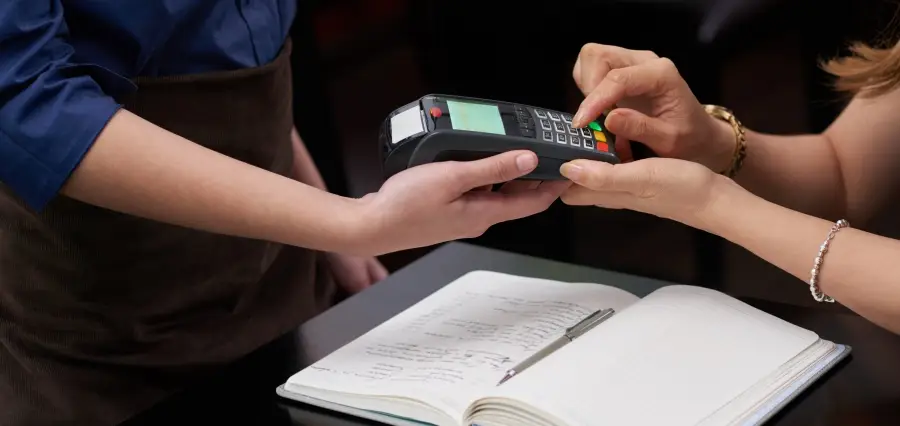
Running a business involves many payment decisions, from accepting cards to handling digital transactions and keeping sales records organised. A payment device at the counter can influence how quickly customers complete purchases and how easily staff manage routine transactions. A point of sale (PoS) terminal can support this process by bringing payment acceptance into one convenient device. However, businesses have different operating needs, customer preferences, and transaction volumes, so choosing the right equipment requires careful consideration.
The right device should fit the way a business accepts payments, communicates with networks, and manages transaction information. It should also provide practical support for customers and staff.
Let’s learn about the key features to consider when choosing a PoS terminal for your business.
5 Key Features to Look for in a Payment Device
The right payment device should support convenient transactions while helping businesses manage payments efficiently.
Consider these key features before selecting a PoS terminal.
- Multiple Payment Options
Customers may prefer different ways to pay, so payment flexibility can help businesses serve a wider range of buyers. An effective PoS terminal should support debit and credit card payments through swipe, dip, and tap. It can also support UPI and Bharat QR payments, along with payment links for transactions such as home deliveries.
Supporting several payment methods from one device can simplify the checkout process for staff. It can also reduce the need to manage separate payment arrangements for different customer preferences. When choosing a device, check that it supports the payment methods commonly used by your customers.
A wider range of payment options can also help businesses serve customers who prefer digital and card-based transactions. This flexibility can be particularly useful for businesses that handle different types of purchases throughout the day.
- Reliable Connectivity
Payment processing depends on a dependable network connection. A PoS terminal that supports several connectivity options can be useful for businesses operating in different locations or facing fluctuations in network availability.
Look for devices that support options such as 3G, 4G, Wi-Fi, or General Packet Radio Service(GPRS), depending on the connectivity available at your business location. Reliable connectivity can help reduce interruptions during checkout and support smoother transaction processing.
When comparing devices, check the connectivity options available for your shop and the reliability of those networks in your operating area. A suitable PoS terminal should match the practical connectivity conditions of the business.
- NFC for Contactless Payments
Near Field Communication (NFC) allows customers to make contactless payments by tapping a supported card or device against the payment machine. This can make checkout quicker, particularly when customers want a convenient way to complete smaller purchases.
A PoS terminal with NFC capability can support tap-and-pay transactions without requiring customers to insert or swipe their cards. This can make the checkout process more convenient and reduce the steps involved in completing a transaction.
For businesses with frequent customer transactions, NFC can help create a smoother payment experience and reduce handling at the checkout counter.
- Real-time Transaction Reporting
Payment acceptance is only one part of managing sales. Businesses also need visibility into completed transactions so they can reconcile payments and monitor their operations.
A payment gateway can work alongside payment devices to process electronic transactions and transmit payment information between the relevant parties. For businesses that accept payments through multiple channels, this can help connect different payment flows and make transaction management more organised.
A PoS terminal that provides real-time reporting can make transaction tracking easier. Features such as transaction histories, payment summaries, and payout reports can help merchants review completed payments and maintain accurate records.
This visibility can help business owners review payment activity and compare records during routine reconciliation. It can be especially useful when multiple employees handle billing throughout the day.
- Flexible Receipt Options and Support
Payment processing depends on a dependable network connection. A PoS terminal that supports several connectivity options can be useful for businesses operating in different locations or facing fluctuations in network availability.
When comparing devices, check the connectivity options available for your shop and the reliability of those networks in your operating area. A suitable PoS terminal should match the practical connectivity conditions of the business while supporting secure electronic payment transactions and financial settlement processes.
Choose a PoS Terminal That Fits Your Business
Selecting a payment device is ultimately about finding a solution that works with your business rather than simply choosing a device with the most features. Consider your daily transaction volume, customer payment preferences, network conditions, and the level of support your staff may need.
Financial institutions such as HDFC Bank offer PoS solutions designed to meet different business requirements, making it easier for businesses to explore suitable payment options. Take time to compare available PoS terminal options against your actual business requirements. Review the applicable charges, service terms, and support available before making a decision.
A well-suited device can make everyday payment operations easier to manage and give your staff a practical way to handle transactions as your business grows.