



While some careers are defined by promotions, titles, or the size of organisations managed, others are defined by something far less tangible, yet far more lasting – the people who grow stronger because someone chose to invest in them, the systems that continue to function long after their creator has walked away, and the quiet confidence that remains in a team that understands it is capable of more.
In an environment where stress is constant and demands never ease, it is not an accident that such an effect is achieved. It is crafted, built, and maintained with intention. Over the course of more than three decades, one leader has made it their work to make such an effect possible – not in seeking accolade, but in building the foundation upon which others might succeed, again and again, and in large numbers.
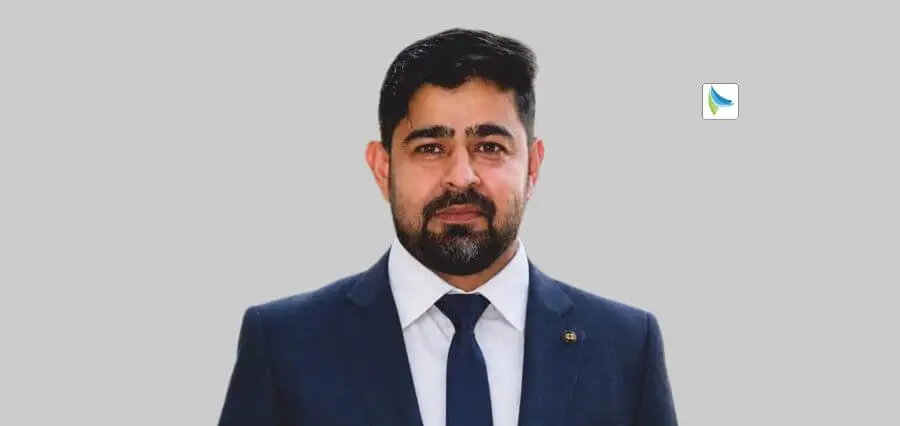
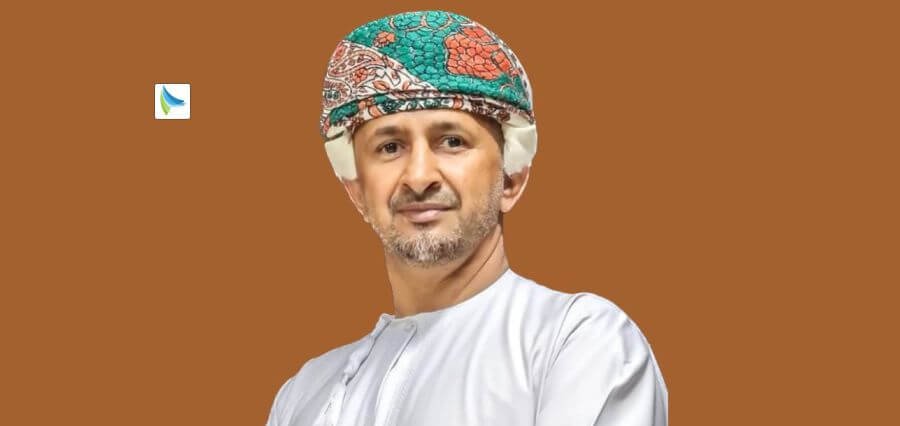
Ask Dr. Abdullah Saif Al Hosni what he does for a living, and he will not hand you a job title. He will tell you he builds people. Not in the motivational-poster sense of the phrase, but in the concrete, unglamorous, and deeply practical sense. He designs the frameworks that show professionals what they are capable of. Dr. Abdullah creates the systems that keep organisations strong when key people leave. He builds the culture that makes learning feel safe and growth feel possible. And he has been doing this, quietly and consistently, for over thirty years across some of the most demanding environments in Oman.
Today, he serves as Talent and Project Management Advisor at the Project, Tender, and Local Content Authority (PTLC), where his focus is on raising the standard of project management across all of Oman’s government entities. Before that, Dr. Abdullah’s career moved through the military, the oil and gas sector with OQ, OOCEP, OOC, and Occidental Oman, and into human capital development and government administration. Each of those chapters left something behind- not just results, but systems and people that kept performing long after he moved on. That is the measure he applies to his own work. Not what he achieved, but what continued to thrive in his absence.
A Journey Forged Across Many Worlds
There is something unusual about Dr. Abdullah’s career, and it is not just the range of it. It is the intention behind it. Most professionals find one domain and go deep. He went both deep and wide, deliberately crossing into fields that most people treat as entirely separate- military technical discipline, advanced engineering, psychological counselling, human resource leadership, external affairs, government administration, and oil and gas expertise. Each of these is a career on its own. Dr. Abdullah built them all into one, and the result is a leader who sees the world differently from most people in any single room he enters.
He started in the military, and that foundation proved more valuable than any academic credential. The military teaches things that cannot be learned in a classroom: how to stay level-headed when the stakes are high, how to build and trust a team under pressure, how to think in systems rather than isolated problems, and how to lead with clarity when everyone around you is uncertain. These are not soft skills. They are the hardest of hard skills, and Dr. Abdullah carried every one of them into the professional world that followed.
From the military, he moved into Oman’s energy sector, joining organizations including OQ, OOCEP, OOC, and Occidental Oman, where he spent years doing work that was less visible but deeply consequential. He was not filling roles. He was building the infrastructure that allowed organizations to develop and keep their own talent. Dr. Abdullah designed competency frameworks that gave employees a clear, honest picture of their current capabilities and a practical path forward. He created succession plans that kept organizations steady when key people left. Dr. Abdullah built technical curricula that turned new graduates into skilled, confident professionals. He also led the rollout of Oman’s first PetroSkills CAT and Compass competency analysis system- a milestone that introduced genuine international standards to talent development in the Omani oil and gas sector. By the time Dr. Abdullah stepped into his current role at PTLC, he was not simply an experienced professional. He was someone whose thinking had been tested across disciplines, sectors, and decades, and had come out sharper and more grounded every time.
Building Systems That Outlive Their Creator
Dr. Abdullah calls himself an architect of capability ecosystems. Spend any time understanding his work, and you will see why the description fits so precisely. Most leaders build results. He builds the conditions that make results possible, again and again, long after he himself has moved to the next challenge.
At PTLC, his current focus is on one of the most consequential assignments in Oman’s public sector today: raising the standard of project management capability across all government entities. It sounds like a technical task. It is far more than that. It means understanding the unique pressures each ministry faces, reading the different levels of readiness across teams, and honestly closing the gap between where government project management currently stands and where it must be to support national development at the scale that Oman’s future demands. Dr. Abdullah approaches this with a methodology built on three commitments he has never abandoned.
The first is to institutionalize capability- to build standards and systems that function independently of any single person, including himself. The second is to humanize those systems- to ensure that the people inside them feel respected, safe, and genuinely invested in their own growth, rather than processed by a framework that does not see them as human beings. The third is to integrate global best practices while staying true to local culture, because any imported framework that ignores the people it lands among will simply not survive. The result of this approach is work that keeps working. Long after Dr. Abdullah moves on, the organizations he has shaped continue to perform, because the culture he built and the people, he believed in carry everything forward.
Talent Is Not a Resource. It Is a National Responsibility.
One belief runs through everything Dr. Abdullah has done professionally: talent is not a department resource. It is a national asset. It deserves the same strategic seriousness that governments devote to energy policy, infrastructure, or economic reform. This is not a motto for him. It is a conviction he has backed with thirty years of concrete, often unglamorous work.
Dr. Abdullah partnered with the Higher College of Technology and Occidental Oman to design technical curricula for the oil and gas sector, giving Omani graduates a structured, real pathway into skilled employment rather than leaving them to improvise their way in. He built job family frameworks, individual development plans, and competency standards across OQ, OOCEP, and OOC. He coached and certified Omani professionals through globally recognized programs, equipping them with both the skills to perform and the confidence to lead. Dr. Abdullah has worked across national ministries to raise the standard of project management in the public sector, because he understands something that gets lost in bureaucratic conversation: the quality of government projects is not an administrative detail. It is a direct measure of how well a country serves its own people.
Preparing People for the Age of AI
Dr. Abdullah is not someone who discusses the future from a comfortable distance. He is already building for it. Artificial intelligence is changing what work looks like, what organizations need from their people, and what competencies will actually matter in the years ahead. He sees this clearly, and he is already responding, not with alarm, but with the same methodical, people-first approach that has defined every stage of his career.
His starting point is a distinction he considers essential: digital literacy is not the same as digital skill. A skill can be taught in a session. Literacy is the ability to understand how a tool works, what it changes about the way decisions get made, and how to use it with real judgment rather than just technical familiarity. He is building that literacy across every level of the organizations he works with, from frontline staff to senior leadership, through digital competency pathways, AI-focused development plans, and reskilling programs that address both the practical and emotional sides of change. Dr. Abdullah knows that people do not resist new technology because they are stubborn. They resist it because they have not been prepared, supported, or given a genuine reason to trust what is unfamiliar. His work addresses all of that directly.
A Vision Built From the Ground Up
Dr. Abdullah’s vision for the Middle East does not come from a report or a conference panel. It comes from thirty years of working inside organizations, governments, and the careers of the people he has developed. That ground level experience is what gives his vision its texture and its credibility; it is not aspirational for its own sake. It is grounded in what he has actually seen work.
He envisions GCC nations sharing unified digital talent systems, where a certified professional from Oman can move and contribute seamlessly across the region, without running into the friction of incompatible standards. He sees project management governance aligned across national borders. Dr. Abdullah sees AI literacy treated as a basic professional skill, not an advanced one, embedded into workforce development at every level. He sees government modernization driven by genuine institutional capability rather than process and paperwork. Dr. Abdullah also sees Oman stable, diplomatically trusted, and genuinely committed to its people, playing a central role as a talent hub for the wider Gulf.
To young Arab leaders finding their footing in this moment, his message is direct and unhurried: reputation is built across decades, not across news cycles. Find strong mentors. Stay genuinely humble. Build the emotional resilience that long careers demand, because they will demand it. And resist the pull of shortcuts, not because shortcuts do not exist, but because they rarely lead anywhere worth going. It is not advice he delivers from above. It is advice he has lived, from his early days as a technical trainee to his current place as a national-level advisor, and every word of it carries the weight of a journey fully walked.
The Leader Who Stays After the Applause Ends
In an era that celebrates speed, noise, and visibility, Dr. Abdullah quietly represents something different. He is not building his name. He is building institutions that will carry other people forward long after his own name fades from the conversation. Dr. Abdullah is not managing today. He is laying the groundwork for what the region will need a decade from now. Every framework he has designed, every professional he has mentored, and every organization he has helped strengthen carries inside it the same conviction- people, when genuinely believed in and invested in, become the most powerful resource any nation can build.
Instagram: https://www.instagram.com/abalhosni/