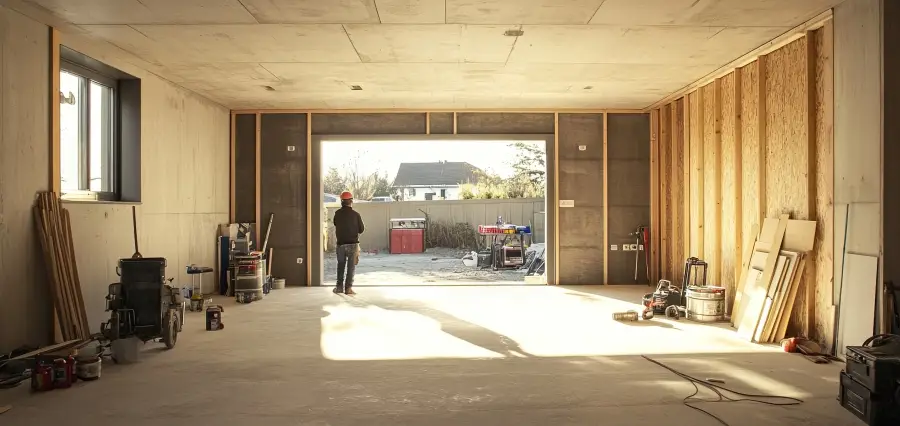




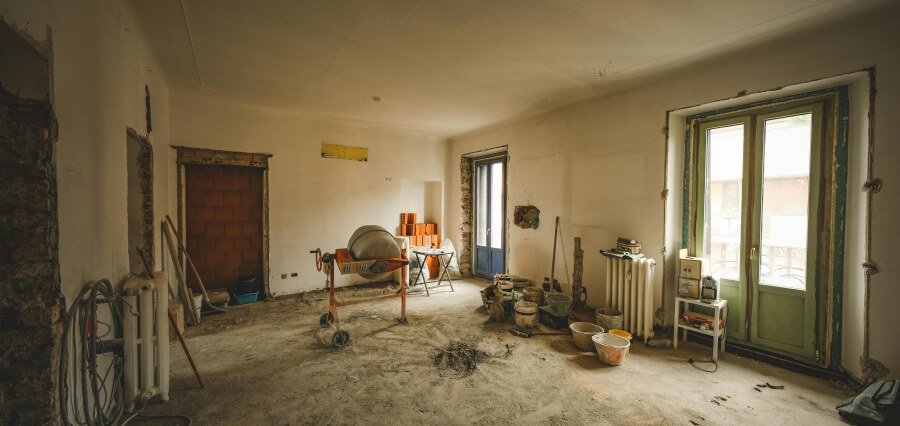
Major home renovations can be exciting, but they also require careful planning and smart decision-making to avoid costly mistakes. Homeowners often focus on design upgrades while overlooking essential elements that impact safety, efficiency, and long-term value. Prioritizing structural integrity, system upgrades, and functional improvements ensures that the renovation delivers lasting benefits.
It is equally important to address hidden areas of the home that may not be immediately visible. These areas still play a critical role in overall performance. For instance, aspects like basement electrical wiring should be evaluated early to ensure the home meets modern safety standards and supports future energy needs.
In this article, we will explore what homeowners should prioritize during major renovations to achieve the best results.
Setting Clear Renovation Goals and Budget
Before beginning any major renovation, homeowners should define clear goals and set a realistic budget. Identifying priorities, such as improving functionality, boosting property value, or enhancing aesthetics, guides decisions effectively.
A well-planned budget must include materials, labor, permits, and a contingency fund to manage unexpected expenses. Carefully researching costs and comparing estimates from multiple contractors can further improve budgeting accuracy and prevent costly surprises.
Fortune reported that nearly 80% of homeowners exceeded their renovation budgets, highlighting how common poor financial planning can be. The report also noted that about two-thirds took on debt to complete projects. This underscores the importance of setting clear goals and establishing a realistic, well-structured budget before starting.
Focusing on Structural Integrity First
Residential Design reported that nearly 60% of owner-occupied homes in the US were built before 1980. About 35% were constructed before 1970, indicating aging structures. This makes addressing foundational and structural issues essential.
Addressing structural integrity, including the foundation, framing, roofing, and building envelope, is the most critical step in any renovation. Ignoring issues like leaks or cracks for cosmetic upgrades can lead to costly consequences. Prioritizing these “invisible” repairs ensures safety, durability, and protects all future investments.
Upgrading Essential Systems and Infrastructure
Prioritizing vital utility systems during major home renovations is essential for long-term project success. Homeowners should carefully review plumbing, HVAC, and electrical systems for outdated or weak components. Replacing unsafe installations reduces risks and breakdowns. It also enhances the performance, efficiency, and long-term reliability of the home.
It is equally important to address often overlooked areas like basement electrical wiring, which can pose hidden safety risks if ignored. Ensuring these systems meet modern standards improves safety and efficiency. This approach helps create a reliable home while preventing costly future repairs.
Table Mountain Electric advises that basement wiring must comply with the National Electrical Code (NEC) and local codes. Moisture-prone areas require GFCI protection. This includes unfinished spaces, laundry zones, and areas near sinks. GFCI outlets shut off power during faults, helping prevent electric shock and improving overall safety.
Improving Energy Efficiency and Sustainability
The US Department of Energy highlights that commercial and residential buildings consume 40% of the nation’s energy. Consequently, the average American wastes $200 to $400 annually due to drafts and outdated systems. Addressing these leaks and HVAC inefficiencies during your renovation is essential. A few strategic upgrades directly convert wasted expenditure into long-term household savings.
Prioritizing high-performance windows and insulation reduces your carbon footprint while slashing monthly costs. Choosing sustainable materials like reclaimed wood preserves resources and adds unique character. These upgrades ultimately transform your home into a high-functioning, comfortable asset. Investing in efficiency ensures year-round comfort and significant long-term financial savings.
Enhancing Functionality and Space Utilization
Beyond aesthetics, successful renovations must improve how you inhabit your space. Enhancing functionality involves rethinking underused areas and optimizing layouts to support your lifestyle. Smart storage and multi-purpose rooms make a home feel larger without increasing its physical footprint. These strategic changes ensure your floor plan serves your daily needs.
Fortune Business Insights reported that functional renovations dominate the market in 2024, driven by demand for improved efficiency and usability. Upgrades like kitchens, bathrooms, and energy systems enhance comfort and value. The segment is expected to grow further, gaining an additional 0.04% market share by 2026.
Hiring the Right Professionals and Ensuring Compliance
Skilled architects, contractors, and licensed specialists bring expertise that helps avoid costly mistakes and ensures efficient project execution. Homeowners should conduct thorough research, check references, and verify credentials before making hiring decisions.
Equally important is ensuring compliance with local building codes, permits, and safety regulations, which protect both the property and its occupants. Non-compliance risks substantial fines, project delays, or the necessity for costly rework.
Working with experienced professionals and following legal standards helps homeowners streamline renovations, maintain quality, and ensure long-term reliability, safety, and overall peace of mind.
Frequently Asked Questions
Should homeowners move out during major renovations?
Moving out is often recommended to avoid the noise, dust, and daily disruptions of a construction zone. It significantly accelerates the contractor’s timeline and protects your mental well-being. Ultimately, your decision depends on the project’s scale and your tolerance.
Can renovation projects increase property taxes?
Major renovations often trigger property tax reassessments, as significant improvements typically increase a home’s market value. Local assessors usually update tax records once permits are finalized for structural or functional upgrades. Budgeting for these potential long-term cost increases is essential.
How should homeowners handle disputes with contractors?
Homeowners should address disputes with contractors through clear communication and documented agreements. Reviewing the contract and keeping records of work and payments helps resolve issues. If conflicts persist, mediation, arbitration, or legal advice can ensure a fair and structured resolution.
Prioritizing What Truly Matters
A major renovation is an investment in both your lifestyle and your financial future. By prioritizing structural integrity and essential infrastructure over fleeting aesthetic trends, you ensure your home remains a secure asset. Integrating energy-efficient upgrades and functional layouts further enhances daily comfort while boosting long-term resale value.
Remember that a disciplined budget and clear goals are your best tools for navigating complex projects. Ultimately, a well-planned renovation transforms your living space into a high-performing sanctuary tailored to your needs.