



The way we think about home maintenance is shifting, and climate has a lot to do with it. Weather is becoming more unpredictable, and changes feel faster than before.
To cope, many homeowners are turning to more durable materials. Stone-coated steel roofing is gaining attention for its strength and impact resistance, while weather-resistant coatings and reinforced siding are becoming common for walls.
These choices are meant to last longer, but even the strongest materials aren’t immune to repeated exposure.
That’s why maintenance can’t be delayed anymore. Whether it’s stone-coated steel roof repair or restoring exterior wall finishes, changing weather is pushing homeowners to act earlier and stay consistent with upkeep.
Instead of focusing on quick fixes, they are starting to make more deliberate, long-term decisions shaped by the growing impact of extreme weather.
Weather Is Revealing Where Homes Fall Short
Homes were once built around relatively stable climate patterns. That assumption no longer holds.
According to the World Meteorological Organization, the Earth’s climate is now more out of balance than at any time in observed history. This is largely driven by rising greenhouse gases that are heating the atmosphere, oceans, and ice systems.
This imbalance isn’t just a scientific concern. It shows up in the form of more intense heat, heavier rainfall, and stronger storms that place greater stress on buildings. Events that were once occasional are becoming more frequent, and in many cases, more severe.
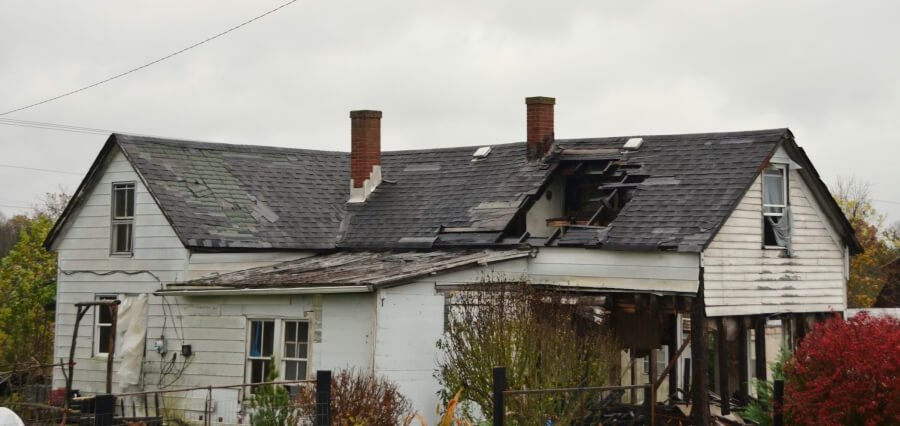
Roofs, in particular, are feeling the impact. What might have been a minor leak earlier can now worsen quickly under sustained rain or repeated weather exposure. Heat also plays a role, gradually weakening materials and making them more vulnerable during storms.
As these patterns become more common, homeowners are beginning to see maintenance differently. It is no longer just about wear and tear over time. It is about whether a structure can handle increasingly unpredictable conditions. This is why more people are inspecting and reinforcing exposed areas more regularly, focusing on resilience rather than routine upkeep alone.
Maintenance Is Shifting from Reactive to Preventive
There’s a clear shift in how homeowners are approaching maintenance, and rising costs are a major driver behind it. The gap between early action and delayed response is no longer minor. It’s substantial enough to influence decisions.
According to findings reported by 2News Oklahoma, small issues can escalate quickly when ignored. Roof repairs that might cost between $200 and $800 can turn into $15,000 to $50,000 problems over time. A $150 leaky pipe repair can lead to nearly $7,000 in water damage if left unaddressed.
The contrast becomes even clearer when looking at overall spending. Preventive maintenance typically costs around $100, while emergency repairs average more than $1,200.
These numbers are changing how people think. Maintenance is no longer just a routine task that can be postponed. It is increasingly seen as a way to control long-term costs and reduce risk. More homeowners are beginning to act earlier, focusing on smaller fixes before they grow into larger, more disruptive problems.
Material Choices Are Becoming More About Durability
Climate pressure is changing not just how homes are maintained, but also what they are made of. Homeowners are becoming more selective, leaning toward materials that can handle repeated stress rather than just keeping initial costs low.
Research highlighted by the Chicago Tribune points to a clear shift ahead. Studies suggest that larger, golf ball-sized hail could become more frequent as climate patterns change. That kind of impact goes beyond surface damage. It can weaken roofing layers over time, reduce material lifespan, and lead to recurring repair cycles, especially in regions where hail is already common.
This is where material choice starts to matter more. Traditional options that performed well under milder conditions may not hold up the same way when exposed to repeated impact and wider weather fluctuations. As a result, homeowners are paying closer attention to durability, especially for areas that face direct exposure.
Roofing stands out in this shift. Instead of relying on repeated fixes after each storm, some are considering longer-term solutions like stone-coated steel roof repair in regions prone to hail. According to Restoration Contractors, it reflects a growing focus on reducing repeated damage, limiting disruptions, and maintaining stability over time.
Energy Use and Climate Adaptation Are Becoming Linked
Climate change isn’t just about visible damage. It’s also changing how efficiently homes operate day to day. As temperatures rise and heatwaves last longer, homes that aren’t well insulated or ventilated end up using far more energy just to stay comfortable.
At the same time, energy itself is becoming more expensive. NPR reports that electricity prices have jumped about 40% since 2020, rising faster than the overall cost of living. In fact, residential electricity rates are now increasing roughly twice as fast as inflation. This is driven by higher demand, grid upgrades, and the growing energy needs of technologies like AI.
This is where maintenance starts to overlap with efficiency. Sealing gaps, improving insulation, and maintaining airflow are no longer small upgrades. They directly affect how much energy a home consumes.
Roofing plays a role here as well. A well-maintained roof helps regulate indoor temperatures and reduces strain on cooling systems. As costs rise, more homeowners are starting to see maintenance as a way to manage energy use and control long-term expenses.
FAQs
What is the most costly repair on a house?
Major structural repairs are usually the most expensive in a home. Foundation damage or full roof replacement can cost tens of thousands of dollars. These issues often worsen over time, especially when early warning signs are ignored or maintenance is delayed.
What to do after water damage in the house?
Start by stopping the water source and removing excess moisture quickly. Dry affected areas using fans and dehumidifiers to prevent mold growth over time. Then inspect for hidden damage and consider professional help to safely repair structural or electrical issues.
What does extreme heat do to a house?
Extreme heat can cause materials to expand and weaken over time. It may damage roofing, warp wood, and reduce the insulation efficiency of the house. Prolonged exposure also increases indoor temperatures, putting extra strain on cooling systems and raising overall energy costs.
All things considered, climate and weather are no longer background factors in home maintenance. They now shape how decisions are made. What once felt like routine upkeep has turned into a more thoughtful, forward-looking process.
Homeowners are paying closer attention to how their properties respond to environmental stress and adjusting their approach along the way.
Looking ahead, maintaining a home isn’t just about preserving what’s already there. It’s about making sure it can handle what comes next, with fewer surprises and a lot more control.
Read Also : Why Durable Telescopic Slides are Vital for External Battery Trays