



Nowadays, people shop more on phones and less in malls. To make online shopping feel more real, Virtual try-on is changing everything. In the past, virtual try-on looked fake and was hard to use. Many sellers tried it once and gave up.
But things are different now. AI models look more real, providing more natural images. Many brands have started using virtual try-on at scale. The question is no longer, “Will virtual try-on work?” The real question is, “How fast will it become normal?”
As virtual try-on keeps growing around the world, more shoppers expect to “see before they buy.” They feel more confident. They return fewer items. Stores that adapt early gain trust faster. That’s why tools like Pic Copilot matter now. They are changing the way people shop online.
So, my answer is yes—virtual try-on is the future of online clothing stores. Now, let’s see more in this article.
How Virtual Try-On Actually Works
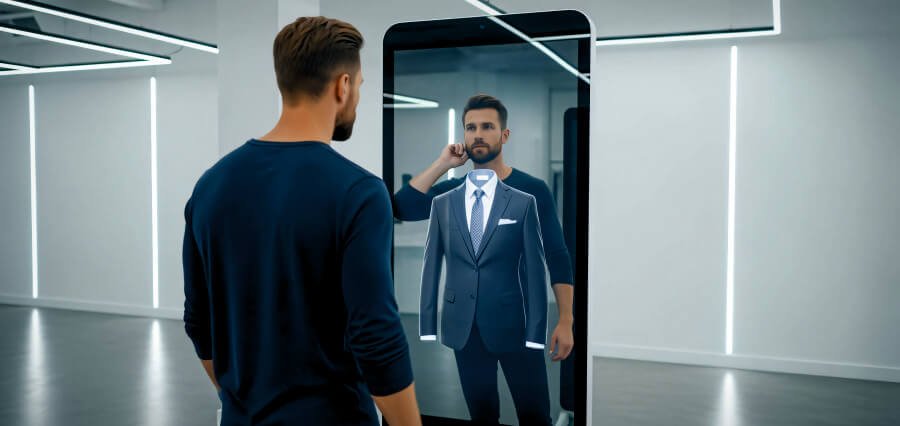
Try on clothes AI uses a mix of computer vision, augmented reality (AR), and artificial intelligence (AI) to show customers how clothing will look on them before they buy it. Instead of static flat photos, virtual try-on creates a dynamic preview using your customer’s photo or a realistic model. The system analyzes body shape, posture, fabric properties, and lighting, then renders an image that mimics how clothing fits and drapes.
There are two common ways for sellers to use:
- AI-generated model try-on – upload product images and the system automatically shows a garment on selected models or on a custom avatar.
- Camera-powered AR try-on – customers see the item on themselves in real time, overlaid on their video feed.
Benefits for Online Clothing Stores
Virtual try-on can directly address the biggest challenges in online fashion:
Increased Sales
When shoppers can see how a cloth looks on a body or themselves, confidence goes up. Take Pic Copilot virtual try-on as an example, retailers using it increase 57% purchase conversion.
Fewer Returns
Fashion e-commerce struggles with returns—up to 30% of online clothing purchases are returned, largely due to fit and appearance issues. Try clothes on an AI model to help customers make more informed decisions, reducing returns and cutting return-handling costs.
Better Shopping Experience
AI virtual try-on turns passive browsing into interactive shopping. Shoppers can visualize outfits, compare looks, or experiment with styles. This creates engagement and encourages exploration, rather than simple scrolling.
Lower Confidence Barriers
Traditional size charts and flat photos can’t show how a garment will fit different body types. Virtual try-on eliminates much of that guesswork by showing actual visualization rather than relying on imagination.
How to Improve Online Shopping Experience
Tools like Pic Copilot are practical examples of how virtual try-on boosts online shopping:
After uploading a product image, it instantly generates a model wearing that item. Before downloading, you can choose models with different poses, backgrounds, and even adjust pictures.
Pic Copilot isn’t just about pretty visuals; it offers a faster and cheaper workflow: no need for costly studios or photographers. Besides, sellers can process many SKUs quickly without extra cost.
So, what about the result? Enhanced product pages that help online stores feel more tangible, drive engagement, and reduce buyer hesitation — especially powerful for brands without big marketing budgets.
Technological Development of Virtual Try-On
Virtual try-on is evolving fast. Major tech players are pushing the envelope: for example, Google expanded its “Try It On” feature to let users upload their own photos for personalized virtual fitting — a sign that this tech is becoming mainstream.
Trends of the future include:
- 3D body scanning & real-time AR – more precise avatars and real-time live try-on experiences.
- Fabric simulation & motion rendering – fabrics will drape, stretch, and move like in real life.
- Personalized style suggestions – systems will recommend outfits based on body type and preference.
- Social integrations – shoppers can share try-on results on TikTok or Instagram, boosting engagement and free referrals.
These developments point toward a future where virtual fitting experiences feel as natural as trying clothes in-store, making this tech more than a gimmick — a real tool for modern online retail.
Conclusion
Virtual try-on is becoming a practical, impactful way for clothing stores to sell more online. It improves confidence, reduces returns, enhances the shopping experience, and scales cost-effectively for sellers of all sizes. AI outfit tools make this technology more accessible, helping brands adapt to modern expectations. With advancements in AR and AI continuing fast, virtual try-on isn’t just a trend — it’s shaping the future of online clothing retail.