




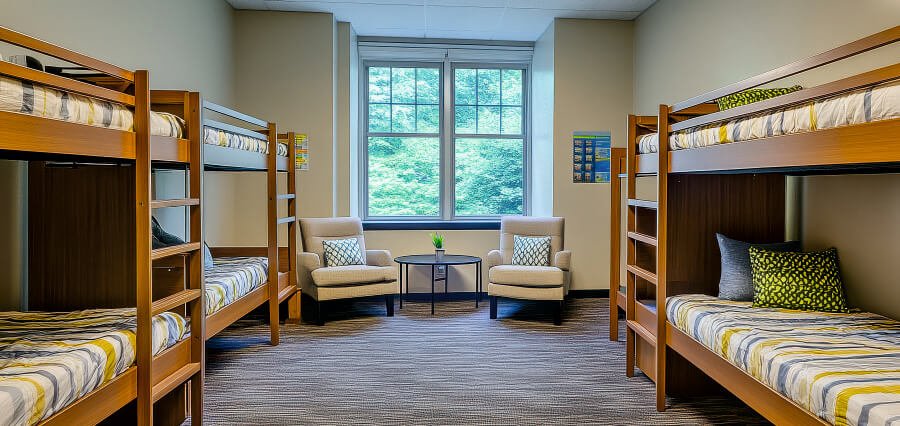
Student accommodation is evolving rapidly, shaped by shifting student expectations, technological innovation, and an increasing emphasis on wellbeing. As we move through 2025, universities, developers, and private providers are refining their offerings to better support both local and international students.
For those exploring their housing options, Unilife student accommodation stands out as an example of how modern providers are adapting to these trends, offering spaces designed for comfort, community, and academic success. Whether you’re planning to study in Australia or overseas, staying informed about these developments can help you choose living arrangements that match your lifestyle, study needs, and overall university journey.
Here are the top student accommodation trends in 2025 every student should know about.
Smart Technology Integration
Technology is reshaping the student living experience. In 2025, smart accommodation is becoming the norm, with features such as:
- Keyless entry systems
- Smart thermostats
- App-controlled lighting and appliances
- High-speed Wi-Fi as a standard inclusion
- Smart security and CCTV integration
These features not only increase convenience but also support a more efficient, safe, and connected living environment. Many student housing providers now include smart tech to attract digitally savvy students who expect modern functionality in their living spaces.
Focus on Wellbeing and Mental Health
Mental health continues to be a major priority for universities and accommodation providers. In 2025, we’re seeing more student housing options designed with wellbeing at their core. This includes:
- Quiet study zones and meditation rooms
- Green outdoor areas and rooftop gardens
- On-site gyms and fitness studios
- Access to wellbeing programs, counselling, and support services
Accommodation providers are recognising that student success is closely linked to mental and physical wellbeing, and these additions create a more supportive and balanced living environment.
Sustainable, Eco-Friendly Living Spaces
Environmental responsibility is influencing student accommodation more than ever. Students in 2025 actively seek housing that aligns with their eco-conscious values. Popular sustainability features include:
- Energy-efficient appliances
- Solar power systems
- Recycling stations and composting
- Low-water-use fixtures
- Eco-friendly building materials
Providers are also adopting green certifications and sustainable design principles to reduce their carbon footprint. Choosing eco-friendly accommodation allows students to live comfortably while supporting a more sustainable future.
More Privacy and Self-Contained Living
While shared accommodation remains popular, there is a growing trend toward self-contained living. Many students are opting for:
- Studio apartments
- Ensuite bedrooms in shared flats
- Micro-apartments with kitchenettes
- One- and two-bedroom private units
Privacy is becoming increasingly important, especially for international students, mature-age students, or those balancing study with part-time work. These modern setups offer independence while still providing access to communal facilities for social interaction.
Flexible Leasing Options
In 2025, flexible leases are a major trend driven by hybrid study models and short-term international programs. Students now want contracts that fit their academic schedules, travel plans, or internship commitments. Providers are offering:
- Semester-only leases
- Short-term stays
- Month-to-month agreements
- Flexible move-in and move-out dates
This flexibility gives students greater control and reduces the financial pressure of long-term rental commitments.
Community-Focused Living
Community-building is another key focus for accommodation providers. Many housing options now include shared facilities and regular events that help students connect and build friendships. Common features include:
- Communal kitchens and lounges
- Study pods and shared workspaces
- BBQ areas and outdoor seating
- Movie rooms, game rooms, and social hubs
- Organised social events, workshops, and clubs
These elements foster a sense of belonging, which is essential for a positive student experience, particularly for those living far from home.
Premium Amenities Becoming Standard
What was once considered “luxury” is becoming standard in student accommodation. Providers now include amenities such as:
- In-unit laundry facilities
- On-site gyms
- Secure bike storage
- High-quality furnishings
- 24/7 on-site support
- Modern interior design and décor
Students are increasingly willing to pay for convenience, comfort, and lifestyle-focused facilities that make daily living easier and more enjoyable.
Hybrid Study Spaces
With remote learning still influencing study habits, accommodation providers are integrating more flexible and tech-ready study spaces. This includes:
- Private study rooms for online classes
- Co-working lounges
- Soundproof pods
- Charging stations and device-friendly layouts
These spaces support productive learning environments and cater to students who need quiet, dedicated areas for coursework or virtual meetings.
Enhanced Safety and Security
Safety remains a top priority. In 2025, student accommodations offer advanced security features, such as:
- 24/7 security teams
- Secure entry points
- On-site CCTV
- Emergency support systems
- Well-lit outdoor areas
These measures give students and parents peace of mind, particularly in busy urban environments.
Final Thoughts
Student accommodation in 2025 is more innovative, comfortable, and student-focused than ever before. With trends like smart technology, eco-friendly designs, wellbeing-centric facilities, and flexible leasing, today’s students have more options to tailor their living experience to their lifestyle and academic needs.