


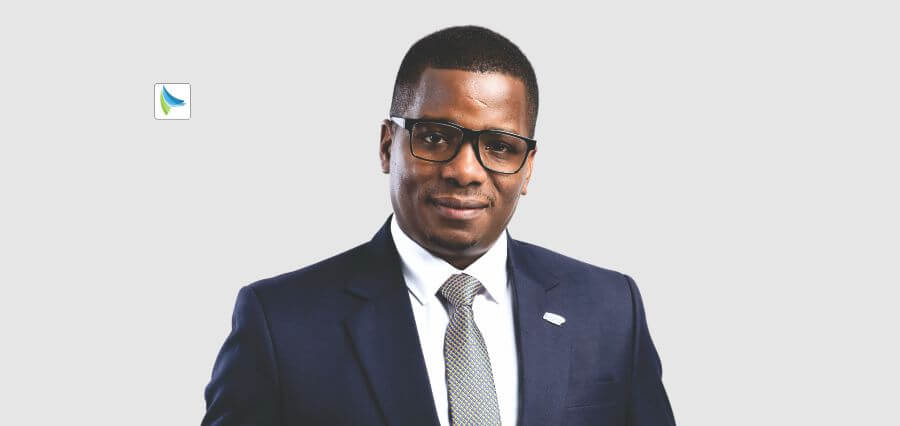
In the dynamic arena of African finance, where technological speed must be balanced by human capital, the leaders who truly define organizational success are the architects of culture. They are the ones who recognize that the most critical asset is not the balance sheet, but the talent strategy. Standing at the forefront of this movement, and deservedly recognized as one of Africa’s Top CHROs Transforming Workplaces-2025, is Emmanuel Akonaay.
A Journey of Gaining Multifaceted Experience
Akonaay’s career journey has been shaped by diverse experiences across multiple sectors, including telecommunications, mining, FMCG, professional services, and banking. It is marked by strategic depth and diverse experience, spanning 15 years across consulting giants like Ernst & Young and vital sectors including manufacturing and mining, before arriving in banking. This varied background armed him with a holistic understanding of people management, from boardroom strategy to shop-floor realities. He began his career as a contact centre agent in a Telco Company, which laid the foundation for how customers should be handled and treated. He then joined the Motor Industry in the HR profession before joining the mining industry, where he built a strong foundation in HR practices. He later joined the Banking sector as Rewards Manager at Barclays Bank (now known as Absa Bank). In this role, he gained experience in compensation and benefits and got a deeper understanding of how rewards drive performance.
After that, Akonaay moved into the manufacturing industry before joining Ernst & Young, where he learnt and gained exposure to HR consulting and best practices across different organisations.
He joined NMB Bank Plc in 2014 in more senior HR roles. His arrival at NMB Bank was marked by immediate strategic impact; he initially joined as the Head of HR Shared Services. Later, he stepped up to lead the HR function before being appointed Chief Human Resources Officer (CHRO) in 2020. In this pivotal role, he is responsible for driving the execution of the entire people agenda, ensuring it aligns perfectly with the bank’s overarching vision. These experiences gave him a broader view of HR practices and equipped him to lead NMB’s people and culture agenda, focusing on building a strong and future-ready workforce.
However, Mr. Akonaay is more than a strategist; he is a Tech Enthusiast excited by the future of work. He has personally led foundational innovations around talent management, proactively laying the groundwork for the modern workplace and workforce across the bank. Holding an MBA and a Bachelor of Arts Degree from the University of Dar es Salaam, and certified as both an HR practitioner and a Director by the Institute of Directors Tanzania, he embodies the perfect fusion of academic rigor and forward-thinking operational leadership. Here is how Akonaay is building a robust, future-ready culture where human potential is the engine of financial transformation.
The Custodian of Culture: From Support to Strategy
A powerful career evolution forged Akonaay’s vision for Human Resources. Initially viewing HR mainly as a support function, his perspective matured to see it as a key driver of organizational culture, strategic alignment, and business growth. His inspiration has always been twofold: the opportunity to make a meaningful difference in people’s lives while simultaneously enabling organizations to reach their strategic goals.
This leadership philosophy reached a pivotal moment at NMB Bank Plc with the launch of the bank’s comprehensive culture transformation program. As the custodian of the People and Culture function, Akonaay is responsible for reviewing the current workplace and shaping a future culture aligned with the bank’s ambitious medium-term strategy. This 3-year program acted as a defining moment. It provided a comprehensive understanding of issues and practical interventions to address them, along with clear KPIs and metrics.
This experience fundamentally changed his perspective, cementing his commitment to data-driven decisions in HR. Akonaay has cultivated a team focused on enabling an environment where people can thrive. He believes his role is ultimately about: “Creating environments where both people and organisations thrive.”
He is defining the next generation of African CHROs by placing purpose and culture at the center of business success.
Investing in People: The Engine of Performance
Akonaay’s strategic leadership is centered on the conviction that investing in human capital is the most potent driver of business performance. Under the bank’s medium-term plan, he led a dramatic scale-up of investment in people, raising the share of staff costs to total costs from 45% in 2019 to 57% by June 2025. This investment, following a comprehensive review of benefit plans, signaled a foundational commitment to employee well-being.
Central to this transformation was the culture transformation program, which embedded core behaviors focused on collaboration and excellence. To enhance dialogue and engagement, Akonaay introduced platforms like SIKIKA forums for queries, the NMB Balance program focused on diversity, and the “Ask CEO” initiative, ensuring communication flowed freely between all levels. Furthermore, the Group modernized performance management through cascading objectives and automated review processes, boosting efficiency and transparency.
The quantifiable results of these initiatives are staggering: attrition plummeted from 5% in 2019 to 3%, internal promotions soared from 47% to 91%, and critically, revenue per employee nearly doubled to TZS 441 million as of June 2025.
“I can confidently say that these initiatives have yielded tangible positive outcomes.”
Excellence and Equity: The Award-Winning Culture
Akonaay’s success in balancing high performance with employee well-being is achieved through a simple philosophy: “operational efficiency and employees’ well-being go hand in hand.” He champions clear structures and automated processes to reduce complexity, allowing staff to focus on results. Simultaneously, policies promoting open-door practices, flexible working, and wellness initiatives ensure the culture is supportive and inclusive.
“Combining efficient systems with a supportive culture creates an environment where people can perform at their best while feeling valued and engaged.”
This commitment to human capital excellence has garnered significant external recognition. NMB Bank was named Employer of the Year 2022 and earned four awards at the 2023 Employer of the Year Awards. The bank also became the first local Tanzanian financial institution to achieve the prestigious EDGE Gender Equality Certification and to be certified as a Top Employer for 2024 and 2025 by the Top Employers Institute, cementing NMB’s reputation as a global standard-bearer for workplace transformation.
Shaping Africa’s Future Workforce
Akonaay views the African HR landscape as defined by its fast pace of maturity, where organizations must balance rapid growth, digital transformation, and talent development. The key challenge lies in attracting and retaining top talent amid global competition, especially with the rise of remote international work. HR leaders must strategically balance compliance and cost control with creating compelling employee experiences. This is an exciting time for HR leaders to shape the future of work in a way that reflects Africa’s strengths.
From Manual to Modern: The Digital Leap
The foundation for NMB Bank’s modern HR experience was laid in 2017 when an assessment revealed 76% of HR processes were manual. Akonaay spearheaded the digital transformation, implementing a comprehensive HR system that automated key processes, from performance reviews and loan applications to training enrollment. They established an HR Support Centre and launched a Learning Management System (LMS), offering easier access to continuous development. This shift from manual to digital processes has greatly improved efficiency and modernized how HR works at NMB Bank. This strategic adoption of technology has made the employee experience easier, more engaging, and more effective.
The Empowered Culture: Leading with Authenticity
Akonaay’s leadership style is defined as engaging, attentive, and open-minded, favoring authentic discussion over rigid formalities. He enforces an open-door policy, a practice that allows him to understand his team, hear their views, and build confidence. He values honesty, authenticity, and confidentiality, but critically, he encourages his team to “propose solutions, not just problems.” Giving them the freedom to try new ideas while remaining available for guidance has been instrumental. This approach has helped create a culture where people feel heard, trusted, and empowered, a culture that promotes collaboration, accountability, and continuous learning.
Nurturing Tomorrow’s Leaders: The Talent Pipeline
Leadership development and succession planning are non-negotiable priorities within the NMB Bank people strategy. To proactively nurture future talent, Akonaay has instituted robust programs, including the Management Trainee Program and specialized Academies. He has strategically partnered with external institutions for opportunities like the CEO Apprenticeship Program and the Female Future Program.
Leadership growth is further cemented through internal coaching, mentorship, and formal development initiatives. These comprehensive steps ensure a “strong pipeline of capable leaders,” preparing talent not just for today’s roles but for the future of the organization.
Africa’s HR Future: Skills, AI, and Purpose
Looking forward, Akonaay foresees several key trends reshaping HR in Africa. There will be an increased emphasis on skills and active reskilling, moving beyond hiring based solely on traditional qualifications. AI and automation will assume a larger role, enabling HR teams to be more strategic and spend more time focusing on people.
The workplace must also meet the evolving expectations of Gen Z and Alpha workforces, who demand flexibility, purpose, and continuous feedback. Ultimately, he sees HR becoming intensely data-driven and focused on inclusion and employee well-being, treating employees as core business priorities that fundamentally drive performance.
Preparing for the AI Workforce
Akonaay is proactively steering NMB Bank toward the future integration of emerging technologies like AI and Data Science. Recognizing the need for specialized skills, the bank has hired a dedicated resource solely responsible for sourcing and managing digital talent. Furthermore, capacity-building programs are continuously run to upskill existing employees, ensuring they are ready for the demands of the future of work.
As part of the long-term strategy, the upcoming 2027 Management Trainee Program will focus on attracting Gen-Z talent and individuals with strong digital and technology qualifications. Looking ahead, the bank is planning to launch an innovation hub to encourage experimentation and the adoption of cutting-edge solutions across all functions.
The Trusted Advisor: Advice for Transformation
For aspiring HR professionals, Akonaay offers grounded advice centered on business acumen and moral fortitude. He urges them to identify their strengths and focus on building excellence, always aiming to be a true solution provider. “Broaden your knowledge beyond HR, learning from colleagues in ICT, Operations, Credit, and other functions to understand how the whole organisation works.”
He stresses the necessity of building a foundation of honesty and integrity, positioning oneself as a trusted advisor to the business. He concludes that to drive fundamental transformation, professionals must be consistent and fair: “Above all, be consistent and fair in everything you do; these qualities will set you apart and earn you the respect and trust needed to drive fundamental transformation.”
The Power of Pan-African Collaboration
Akonaay views cross-industry and cross-country collaboration as vital for sustainable growth. He firmly believes that by sharing knowledge, experiences, and best practices, HR leaders facing similar challenges—such as attracting talent and adapting to new technologies—can find solutions faster.
Partnerships with universities and professional bodies are crucial for building future-ready skills. Ultimately, this collaborative mindset is essential for the continent’s progress: “By coming together, we can create policies and programs that promote fairness, inclusion, and sustainable growth across Africa.”
Emmanuel Akonaay’s leadership aims to raise the standard of HR practice, ensuring that business expansion benefits both the economy and its people.