




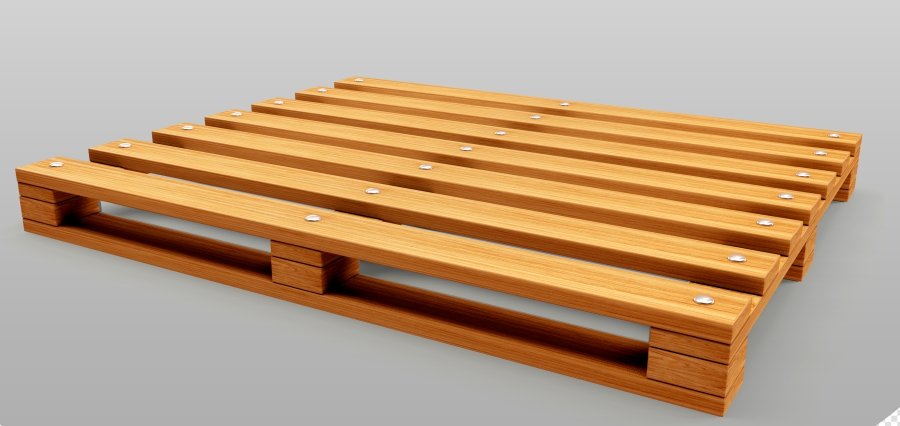
Used pallets are everywhere—from warehouses and factories to small shops and construction sites. They are often overlooked, yet they can be incredibly valuable when chosen and used correctly. Whether you plan to reuse them for storage, shipping, DIY projects, or resale, knowing what to look for can save you time, money, and frustration.
If you’re sourcing pallets from local suppliers or platforms like Verdetrader.com, understanding these tips will help you make better decisions from the start.
Below are ten practical and easy-to-follow tips to help you get the most value from used pallets.
- Know Why You Need the Pallets
Before picking up any used pallets, be clear about their purpose. Are you using them for shipping heavy goods, storing materials, or building furniture? Pallets meant for decoration do not need the same strength as pallets used for industrial transport. Defining your goal helps you avoid paying for pallets that are stronger—or weaker—than necessary.
- Check the Overall Condition Carefully
Always inspect used pallets closely. Look for broken boards, large cracks, or missing pieces. Minor wear is normal, but serious damage can reduce load capacity and safety. Flip the pallet over and check both the top and bottom decks to ensure they are still solid.
- Understand Pallet Markings and Stamps
Most pallets have stamps that tell you how the wood was treated. Look for markings like “HT” (heat treated), which means the pallet was treated using heat and is generally safer for reuse. Avoid pallets marked with chemical treatments if you plan to use them indoors or for furniture projects.
- Choose the Right Size and Style
Used pallets come in different sizes and designs. Some are two-way pallets, while others are four-way entry pallets. Make sure the pallet size matches your storage space, racking system, or shipping needs. Using the wrong size can lead to wasted space and handling problems.
- Check for Cleanliness and Odors
Smell the pallet and look for stains. Pallets previously used to transport food or chemicals may absorb odors or spills. If the pallet has a strong smell or visible contamination, it may not be suitable for reuse—especially for indoor projects or storage of sensitive goods.
- Test Strength Before Heavy Use
Even if a used pallet looks fine, its strength may be reduced due to past use. If possible, test it with a moderate load before using it for heavy items. This helps prevent accidents and damaged goods. For business use, consistency in strength is especially important.
- Sort and Stack Pallets Properly
Once you collect used pallets, sort them by size and condition. Stack similar pallets together and store them on flat ground. Proper stacking prevents warping and makes it easier to find the right pallet when needed. Keeping them organized also improves safety in your workspace.
- Repair Instead of Discarding
Many used pallets can be repaired easily. Replacing a broken board or reinforcing weak sections can extend the pallet’s life. Basic tools and spare wood are often enough to make a pallet usable again. Repairing pallets is usually cheaper than buying new ones and supports sustainable practices.
- Consider Environmental Benefits
Reusing pallets reduces waste and helps conserve natural resources. Each reused pallet means fewer trees are cut down and less wood ends up in landfills. If sustainability matters to you or your business, used pallets are a smart and responsible choice that also lowers costs.
- Buy from Reliable Sources
Not all used pallets are equal. Try to source pallets from trusted suppliers who sort and grade them properly. Reliable sellers usually offer consistent quality, fair pricing, and clear information about pallet condition. This reduces surprises and ensures better long-term value.
Conclusion
Used pallets can be a cost-effective and eco-friendly solution when chosen wisely. By understanding your needs, inspecting pallets carefully, and handling them properly, you can avoid common mistakes and get more value from every pallet you use. With a little attention and planning, used pallets can serve your projects or business reliably while also supporting sustainable practices.